Best Small Medical Devices to Enhance Your Practice?
In today's fast-paced healthcare environment, the importance of small medical devices cannot be overstated. Renowned industry expert Dr. Emily Carter emphasizes, "Small medical devices play a crucial role in improving patient care and enhancing practice efficiency." As healthcare professionals strive for excellence, adopting innovative devices becomes essential.
These devices can significantly enhance diagnostic accuracy and treatment outcomes. They simplify procedures and improve workflow in clinics and hospitals. Think about compact ultrasound machines or handheld blood glucose monitors. These tools not only save time but also provide doctors with critical data quickly. However, as beneficial as they are, practitioners must evaluate their needs before making investments.
Not every small medical device suits every practice. Careful consideration and research can prevent costly mistakes. Practitioners should reflect on their specific requirements and patient demographics. This ensures that the chosen devices align with their practice goals. The right small medical devices can elevate care, but the selection process demands caution and wisdom.
Overview of Small Medical Devices in Healthcare Practices
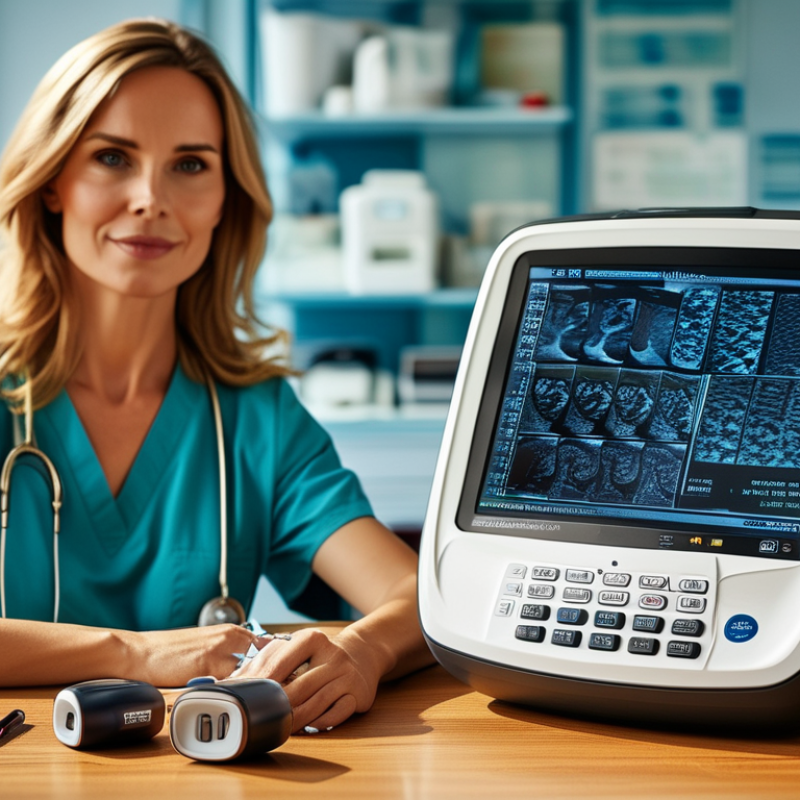
Small medical devices are essential tools in modern healthcare practices. They facilitate accurate diagnoses and efficient treatments. Examples include portable ultrasound machines and handheld blood glucose monitors. These devices empower healthcare providers to make informed decisions quickly. The convenience of small medical devices improves patient care and streamlines processes within clinical settings.
However, not all devices are equally effective. Some may lack the necessary accuracy or reliability. It's crucial to assess the quality of these tools before integrating them into a practice. Continuous training for healthcare personnel is also necessary in using these devices effectively. Regular feedback from users can highlight areas for improvement.
Moreover, while these devices offer many benefits, they can also create challenges. For instance, technology can become outdated rapidly, leading to increased costs for practices. Balancing innovation with budget constraints is a constant struggle for many practitioners. Assessing the long-term value of a device is essential in making informed choices.
Key Features and Benefits of Small Medical Devices
Small medical devices significantly enhance clinical practices by improving patient care efficiency and streamlining workflows. These devices often have compact designs, making them easy to handle. According to a report by the Medical Device Manufacturers Association, the small medical device market is anticipated to reach $165 billion by 2025, demonstrating a strong growth trajectory. This growth is driven by innovations that focus on portability and ease-of-use.
Key features of small medical devices include advanced connectivity. Many devices now utilize Bluetooth and Wi-Fi technology for seamless data transfer. This allows healthcare professionals to monitor patients remotely. Combining technology with portability meets the rising demand for telehealth solutions. The ability to access real-time data improves decision-making in patient care, contributing to quicker diagnoses and interventions.
However, reliance on small medical devices brings its own challenges. Issues with interoperability can arise. Devices from different manufacturers may not communicate effectively, complicating data integration. Additionally, maintaining device accuracy and reliability is crucial. Regular updates and training for healthcare providers are essential to maximize the benefits of these devices. As practices adopt more advanced technology, addressing these shortcomings becomes a vital component of successful implementation.
Best Small Medical Devices to Enhance Your Practice
Top Small Medical Devices for Various Specialties
In today's fast-paced healthcare environment, small medical devices play a critical role in enhancing practice efficiency across various specialties. For instance, portable ultrasound devices have transformed patient diagnostics. They offer real-time imaging right at the bedside. This immediacy aids in quicker clinical decisions, yet users sometimes struggle with image clarity in some conditions.
In the realm of pediatrics, handheld spirometers have become essential tools. They provide accurate lung function assessments without overwhelming young patients. However, accuracy can vary based on user technique. Training and practice are vital to achieve reliable results.
Another noteworthy device is the compact blood glucose monitor used in diabetes care. These devices empower patients to manage their condition effectively. Yet, there are instances when patients face challenges with device sensitivity. Continuous education on usage can help overcome these obstacles, ensuring better health outcomes.
Considerations for Selecting Small Medical Devices
When selecting small medical devices, several factors should be considered to ensure they enhance practice efficiency while maximizing patient care. One important consideration is the device's ease of use. Studies show that nearly 70% of healthcare professionals prioritize user-friendly designs. Complex devices may lead to errors or delays, negatively impacting patient outcomes.
Another factor is the device's adaptability. The healthcare landscape is always changing. Devices must be flexible enough to meet varying patient needs and preferences. According to industry reports, approximately 50% of practitioners express dissatisfaction with devices that lack versatility. Furthermore, integration with existing systems is crucial. Devices that work seamlessly with electronic health records can improve workflow and enhance data accuracy.
Cost is also a significant factor. Budget restrictions often influence purchasing decisions. However, investing in high-quality small devices can lead to long-term savings. Reports indicate that facilities prioritizing durable, efficient devices see a 30% reduction in maintenance costs over time. Balancing cost with quality requires careful thought and assessment. Ultimately, selecting small medical devices demands a strategic approach focused on enhancing patient care while ensuring operational efficiency.
Future Trends in Small Medical Devices and Practice Integration
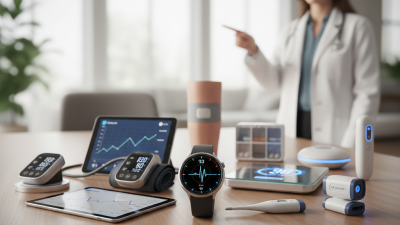
The future of small medical devices is an exciting frontier. Rapid advancements in technology are paving the way for devices that increase efficiency and enhance patient care. Wearable health tech, for instance, is monitoring vital signs constantly. These devices provide real-time data, allowing for quicker interventions. However, integrating them into existing practice workflows poses challenges.
Adopting these innovations requires careful training. Staff must understand how to use new devices effectively. Without proper education, the technology can hinder rather than help. Moreover, regulatory compliance remains a concern. Practices must ensure that new devices meet all standards. This can slow down the integration process and lead to frustration among healthcare providers.
As small medical devices evolve, personalization becomes key. Tailoring treatments to individual patient needs can improve outcomes significantly. Yet, practices face the hurdle of balancing customization with efficiency. Finding the right blend is critical. The landscape is changing rapidly, and practices must adapt at a similar pace. This balancing act will define success in the future of healthcare delivery.
Best Small Medical Devices to Enhance Your Practice
| Device Type |
Key Features |
Integration Capabilities |
Future Trends |
| Portable Ultrasound |
Mobile, real-time imaging |
Cloud integration for remote diagnostics |
Increased accuracy and accessibility |
| Wearable ECG Monitor |
Continuous heart monitoring |
Data sync with electronic health records |
Remote patient monitoring and AI diagnostics |
| Digital Blood Pressure Monitor |
Smart measurement with alerts |
Mobile app integration for tracking |
Telehealth applications for chronic management |
| Smart Thermometer |
Rapid temperature readings |
Compatibility with health apps for monitoring |
Integration with telemedicine platforms |
| Insulin Pen |
Dosing accuracy and ease of use |
Connectivity to diabetes management apps |
Increased personalization of diabetes care |