How to Choose the Best Home Textile Fabric for Your Needs?
Choosing the right home textile fabric is crucial for both comfort and style in any living space. According to a recent market analysis, the global home textile market is projected to reach over $150 billion by 2025. This significant growth reflects the increasing consumer demand for quality and variety.
Selecting the best fabric involves assessing durability, aesthetic appeal, and ease of maintenance. For instance, cotton is a popular choice for its softness and breathability. Meanwhile, polyester offers resilience and wrinkle resistance. Yet, not every fabric suits all needs or environments. A fabric that works for one room might not perform well in another.
Moreover, many consumers overlook the impact of textile sustainability. Reports show that eco-friendly fabrics are gaining traction among buyers seeking responsible options. In pursuing the perfect home textile fabric, many still struggle with balancing cost and quality. Understanding these dynamics is essential for making informed decisions that enhance both livability and design.
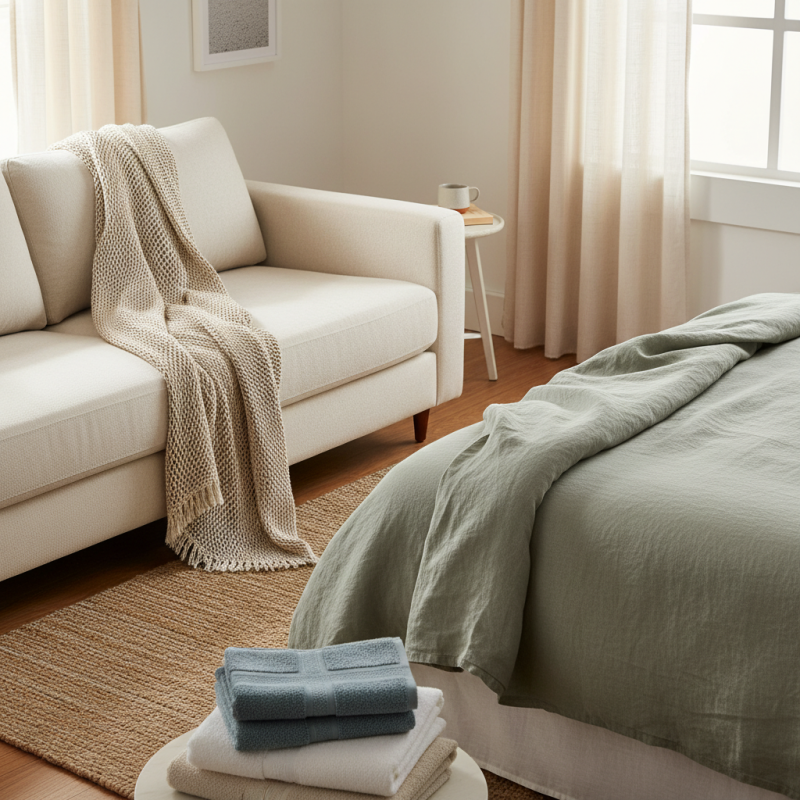
Understanding the Different Types of Home Textile Fabrics
When choosing home textile fabrics, it's essential to understand the different types available. Cotton is popular for its versatility and comfort. It absorbs moisture well, making it ideal for bed linens and towels. However, it may wrinkle easily and require frequent ironing.
Linen, though elegant and breathable, can be rough on the skin and needs careful washing.
Synthetic fabrics like polyester offer durability and are less prone to fading. They often resist stains too, making them suitable for families with children. Yet, they can trap heat, leaving you feeling warm.
Natural blends, like cotton-polyester mixes, strike a balance. They combine softness with strength. However, it’s crucial to consider their care instructions, as they may shrink or fade if mishandled.
Choosing fabric requires a thoughtful approach, as each type has unique characteristics and needs attention to detail.
Evaluating Fabric Durability and Maintenance Requirements
Choosing the right home textile fabric involves careful consideration of durability and maintenance needs. Some fabrics, like cotton, are soft but require regular washing. Others, such as polyester, resist stains and are easy to clean. Think about how often you will use the fabric. Do you have pets? Kids? If so, choose durable materials that can withstand wear.
Maintenance also plays a crucial role in your decision. Fabrics that require dry cleaning can be a hassle. They can push the cost of ownership higher. On the other hand, machine-washable fabrics offer convenience but may fade over time. Consider the balance between appearance and ease of care. Is upkeep manageable with your lifestyle?
Reflecting on these points can clarify your choices. Sometimes, beautiful fabrics can be a challenge to maintain. When selecting, visualize your daily routine. Imagine spills or the need for frequent cleaning. Some fabrics may look appealing initially but may not last long. Prioritize what suits your home environment best.
How to Choose the Best Home Textile Fabric for Your Needs? - Evaluating Fabric Durability and Maintenance Requirements
| Fabric Type | Durability Rating | Maintenance Requirements | Ideal Use |
| Cotton | Moderate | Machine wash, tumble dry | Bedding, curtains |
| Linen | High | Machine wash, iron | Tablecloths, curtains |
| Polyester | Very High | Machine wash, dry clean | Cushions, drapes |
| Silk | Low | Dry clean only | Luxury bedding, throw pillows |
| Wool | High | Dry clean recommended | Blankets, upholstery |
Assessing Fabric Comfort and Aesthetic Appeal
When selecting home textiles, comfort and aesthetic appeal are crucial factors. A recent industry report shows that 78% of consumers prioritize fabric comfort when choosing upholstery materials. Softness against the skin enhances the overall experience, making comfort essential for bedding, curtains, and furniture. Fabrics like cotton and linen offer a breathable feel, while synthetic blends might lack that natural softness.
Tips: Always test fabric swatches by feeling them against your skin. This tactile experience can guide your decision.
Aesthetic impact also plays a vital role. The right texture and color can transform a space. Research indicates that customers often seek fabrics that complement their home decor. Textured fabrics, like
velvet or
boucle, add depth. However, they may show wear and tear faster than smoother options.
Tips: Don’t hesitate to mix textures for a dynamic effect. Consider balancing bold colors with neutral tones to avoid overwhelming your space.
Ultimately, finding the best home textile fabric requires consideration of both
comfort and
visual appeal. Explore various combinations to reflect your personal style while ensuring
durability and
ease of maintenance in your selections.
Considering Environmental Impact and Sustainability Factors
Choosing the right home textile fabric extends beyond aesthetics. It requires a consideration of environmental impact and sustainability. Many fabrics, like conventional cotton and polyester, contribute to significant environmental issues. For example, the production of conventional cotton consumes approximately 2,700 liters of water per kilo of fabric. This raises concerns about water scarcity in many regions.
Sustainable options, such as organic cotton and linen, provide an alternative. Organic cotton avoids harmful pesticides, promoting better soil health. Reports indicate that organic farming can reduce water usage by about 50%. Additionally, fabrics from recycled materials can cut down on waste and reduce our carbon footprint.
Tips:
- Look for certifications like GOTS (Global Organic Textile Standard) when selecting fabrics.
- Consider the lifecycle of the product: Does it biodegrade? Can it be recycled?
- Evaluate your needs realistically. Sometimes, more sustainable choices may seem pricier upfront but can save money over time due to their durability.
Finding the best fabric requires understanding trade-offs. While synthetic options may be cheaper, they often come with a hidden cost to the planet. Reflecting on your choices can guide you toward a more sustainable home.
Environmental Impact of Different Home Textile Fabrics
Budgeting: Balancing Quality and Affordability in Fabric Choices
When it comes to selecting home textile fabrics, balancing quality and affordability is crucial. According to a recent industry report, around 70% of consumers prioritize price over quality. This trend can lead to regrettable purchases, with many opting for lower-quality fabrics that wear out quicker. A decent fabric, while potentially more expensive upfront, can offer longevity and durability. Investing in quality can save money in the long run.
Understanding different fabric types can also aid in making informed decisions. For example, cotton and linen are popular for their breathability. However, they might cost more than synthetic alternatives. Research indicates that synthetic fabrics can fade and tear faster, leading to frequent replacement. Thus, while they appear budget-friendly, the longevity of higher-quality options could prove more economical.
Moreover, consumers often overlook the environmental impact of their choices. Sustainable fabrics, though pricier, often come with better manufacturing practices. A study shows that eco-friendly textiles can reduce carbon emissions by up to 30%. Balancing these factors requires reflection on personal values, preferences, and budget constraints. Making an informed choice is not always easy. It's essential to consider all elements before making a decision.