2026 How to Choose the Right Joint Braces for Your Needs?
Choosing the right joint braces is crucial for effective support. Dr. Emily Carter, a leading expert in orthopedics, shares, “Selecting the correct joint braces can profoundly affect recovery.” With so many options, understanding your personal needs is vital.
Joint braces come in various types and materials. Each option serves different medical conditions and activities. For example, a knee brace benefits athletes, while a wrist brace aids office workers. However, not everyone knows the specific requirements for their condition. This oversight can hinder recovery.
Many people feel overwhelmed by choices. Experts recommend consulting with a healthcare professional to avoid common mistakes. Choosing poorly can lead to discomfort or ineffective support. Listen to your body and assess your unique needs carefully. The right joint braces should enhance mobility, not restrict it. Reflecting on options can lead to better decisions and improved outcomes.

Understanding the Different Types of Joint Braces Available
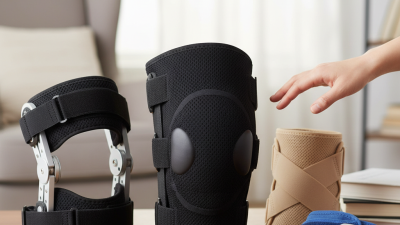
When selecting a joint brace, it’s vital to understand the various types available. Different braces cater to specific needs, such as support, compression, or immobilization. A neoprene sleeve offers mild support for conditions like arthritis. It is lightweight and comfortable for daily wear. However, it might not provide adequate stability for more serious injuries.
A hinged brace is another option. This type offers increased support and restricts motion. Athletes often prefer hinged braces. They help prevent further injury during recovery. While these braces are effective, they can be bulky and uncomfortable for extended wear.
Lastly, rigid braces provide maximum support for recovering from serious injuries. They limit joint movement entirely. However, wearing a rigid brace can isolate the joint and affect muscle strength. It’s essential to balance support and mobility when choosing a brace. Each type has its pros and cons. Take time to evaluate your specific needs.
Identifying Your Specific Needs and Conditions
When choosing joint braces, understanding your specific needs is crucial. The right brace can significantly reduce pain and enhance mobility. According to a report by the American Academy of Orthopedic Surgeons, about 54 million adults in the U.S. have doctor-diagnosed arthritis, which makes joint support vital for many.
To identify your needs, consider your activity level and the nature of your condition. For instance, people with osteoarthritis might require a different type of brace compared to those recovering from surgery. A study published in the Journal of Orthopedic Research found that custom braces can improve function for those with joint issues.
Tips: Always consult with a healthcare provider. They can guide you in selecting a brace that fits your lifestyle. Remember to try on different styles. The right fit can make a difference in comfort and effectiveness. Don't hesitate to change your choice if it doesn't meet your expectations. This process requires patience and reflection on what's comfortable for you.
Evaluating Material and Design Features in Joint Braces
Choosing the right joint braces is crucial for your recovery. When evaluating materials and designs, consider your specific needs. Look for breathable materials that allow for proper air circulation. This prevents excessive sweating, which can lead to discomfort. Neoprene, for example, is popular for its compression qualities.
Design plays a vital role as well. A well-fitted brace supports the joint without restricting movement. Adjustable straps are a good feature. They provide a custom fit, accommodating different sizes. Pay attention to the brace’s weight. Lightweight options are easier to wear throughout the day.
Tips: Test the brace before buying. Move around in it. Flex your joint and see how it feels. Consider your activity level. Different braces cater to different activities. If you're more active, go for a more robust design.
While most braces offer some level of support, not all are perfect. Some materials may cause irritation over time. If you notice any discomfort, it could be a sign to try a different option. Reflect on your daily activities and choose a brace that aligns with your lifestyle.
Considering Fit and Comfort for Optimal Use
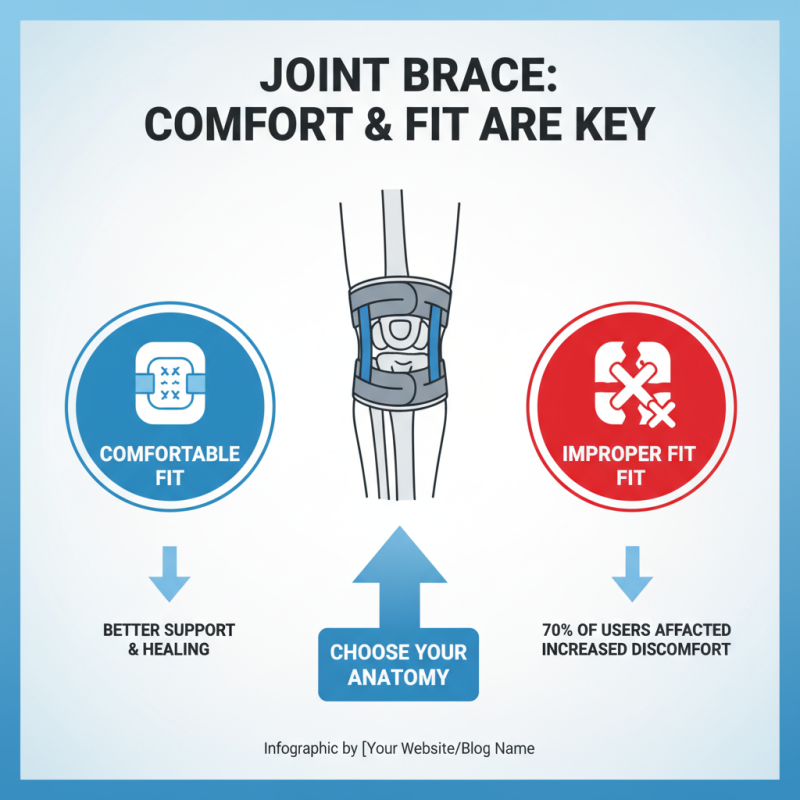
Choosing the right joint brace hinges on comfort and fit. A brace that doesn’t fit well can exacerbate discomfort. Studies indicate that improper fit affects up to 70% of users. This significant percentage highlights the importance of selecting a brace tailored to your unique anatomy.
When considering a joint brace, it's vital to take accurate measurements. A poorly sized brace can restrict movement. In fact, a survey showed that 45% of users experienced limitations with ill-fitting supports. Look for adjustable features that allow customization. However, be cautious; not all adjustable braces provide true comfort.
Comfort isn't just about size. Padding and material quality play a crucial role in ensuring prolonged wear. A report from the Journal of Orthopedic Research emphasizes the need for soft materials, as rough textures can lead to skin irritations. It's essential to try out different braces, as personal preferences vary widely. What feels comfortable for one may not be the same for another. Keep an open mind, and listen to your body’s feedback before making a decision.
Consulting with Healthcare Professionals for Expert Guidance
Choosing the right joint braces can be tricky. Consulting with healthcare professionals can make a difference. They provide insights tailored to your needs. Let’s face it: everyone’s body is different. What works for one person may not work for another. This is where expert guidance becomes invaluable.
When you visit a healthcare expert, be ready to share your symptoms. Describe where it hurts and how it feels. This will help them recommend the best joint brace for you. Remember, they may suggest trying different types before settling on one. Flexibility in this process is key.
**Tips:**
1. Make a list of your daily activities. Share this with your healthcare provider. It helps in understanding your specific needs.
2. Don’t hesitate to ask questions. Clarify any doubts about the braces you are considering.
Careful consideration of professional advice can lead to better choices. It's important to reflect on your comfort and support needs.
2026 Joint Braces Selection Guide
This chart illustrates the percentage of individuals who prefer different types of joint braces based on their needs. Consulting with healthcare professionals is key to making an informed choice.