How to Choose the Best Leg Braces for Maximum Support?
Choosing the right leg braces can significantly impact mobility and quality of life. According to the American Academy of Orthopaedic Surgeons, improperly fitted braces can lead to discomfort and further injury. Therefore, understanding how to select leg braces is crucial.
Leg braces come in various types, each designed for specific conditions. A study published in the Journal of Rehabilitation Research revealed that 65% of patients reported better outcomes with personalized braces. This highlights the need for tailored solutions.
It's vital to consider factors like material, fit, and support level. Many consumers overlook the importance of customization. An uncertain approach may result in ineffective support. Ultimately, the right leg braces can foster independence and recovery. Making an informed choice requires diligence and understanding.
Understanding the Different Types of Leg Braces Available
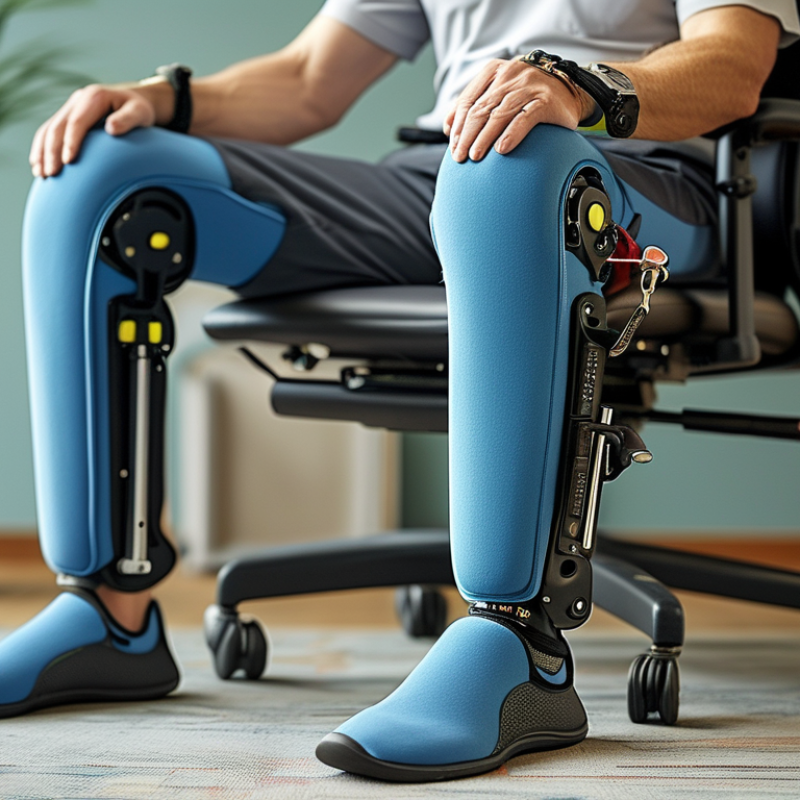
When choosing leg braces, understanding the different types is crucial. Each type serves a unique purpose based on individual needs. Functional braces are often for daily activities. They help maintain mobility while offering support. Aesthetic braces may be more comfortable but could lack necessary stability.
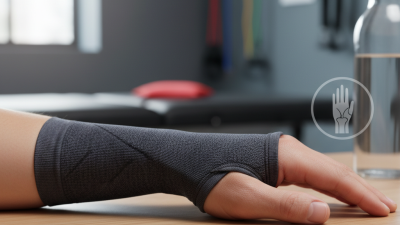
There are also rehabilitation braces. These are designed for recovery after injury. They aid in healing while ensuring proper alignment. Compression sleeves can enhance circulation. They often provide light support without restricting movement.
Selecting the right brace requires careful thought. It's important to consult healthcare professionals. They can offer insights based on medical history and specific conditions. A prototype trial is also wise, allowing you to assess comfort and effectiveness. The journey to finding the perfect brace may involve adjustments and reflections on what truly works.
Leg Brace Types and Support Levels
Identifying Your Specific Support Needs and Activities
Identifying your specific support needs is crucial when choosing leg braces. Consider what activities you regularly engage in. Are you a runner, or do you prefer walking? Each activity has different demands on your legs. Understanding your lifestyle will help narrow down the options.
Some individuals need braces for stability during sports. Others may require them for daily activities like standing or walking. Think about any previous injuries or chronic conditions. This reflection can guide you toward the best type of brace. It's also important to consider how the brace fits into your life. A bulky brace might not work for everyday wear.
Additionally, comfort is key for any brace. If it doesn’t feel right, you won’t use it effectively. Seek options that offer adjustable features or breathable materials. This can enhance usability and ensure you can focus on your activities, not the brace itself. Taking the time to assess your needs can lead to a better fit and greater overall satisfaction.
Evaluating Material Quality and Comfort for Long-term Use
When selecting leg braces, material quality and comfort are crucial. High-quality materials ensure durability and adequate support. Look for braces made from breathable fabrics. This feature helps prevent overheating during extended wear. Soft linings can also enhance comfort, preventing chafing on sensitive skin.
It's essential to strike a balance between support and flexibility. Some braces use rigid components for stability, but this can restrict movement. A well-designed brace incorporates flexible zones. This design allows for normal leg motion while providing necessary support. Remember, comfort matters. A brace that feels good will encourage longer use.
Even the best materials can have drawbacks. Some users may experience irritation from seams or straps. It's important to test the brace in various settings, from daily activities to light exercise. Reflecting on the experience will help identify areas for improvement. Not every brace will fit perfectly; customization might be necessary. Prioritizing comfort and material quality can lead to better overall support.
Considering Fit and Adjustability for Optimal Performance
When selecting leg braces, fit and adjustability play a crucial role. A proper fit ensures comfort and security. If the braces are too tight, they can restrict circulation. If too loose, they provide inadequate support. It’s vital to try them on with the intended footwear. This allows you to assess overall comfort and performance.
Adjustability is equally important. Look for braces with customizable straps. These can help you achieve the right level of compression. Additionally, adjustable features can accommodate changes in your leg size over time. This flexibility promotes longevity and consistent functionality.
Tips: Always check for padding inside the brace. This can reduce friction and chafing. Pay attention to materials; breathable fabrics can enhance comfort during extended wear. Remember, investing time into finding the right fit can save you from later discomfort. Reflecting on previous choices can lead to better decisions.
Consulting with Healthcare Professionals for Tailored Recommendations
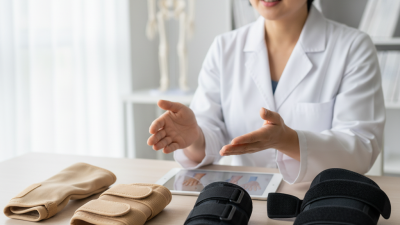
When selecting leg braces, consulting healthcare professionals is crucial. These specialists can assess your specific needs and conditions. They bring valuable expertise to the table. Their experience helps pinpoint the right type of brace. Whether for support, stability, or rehabilitation, their recommendations matter.
Each individual's situation is unique. A healthcare professional can identify factors like leg length, weight distribution, and range of motion. These details influence the braces you consider. They will also analyze your activity level and lifestyle. This tailored approach ensures you receive the best support.
The process might feel overwhelming. You may have many questions, and that's okay. Engaging in open discussions with your healthcare provider can clarify uncertainties. Don't hesitate to share your concerns. Whether it's about comfort, fit, or mobility, communication is key. That's how you find the most suitable leg brace for your needs.