How to Choose the Right Head Braces for Your Orthodontic Treatment?
Choosing the right head braces for orthodontic treatment can significantly impact oral health. Data from the American Association of Orthodontists shows that 60% of teenagers may require braces. This high percentage highlights the importance of making informed decisions. Head braces play a crucial role in correcting jaw alignment and improving smiles.
Patients often feel overwhelmed by choices. There are various types of head braces, each designed for specific issues. For instance, some target overbites while others focus on underbites. Consulting with an orthodontist is vital, as they can provide tailored advice based on individual needs.
It's essential to consider comfort and aesthetics. Many patients worry about the appearance of head braces. However, modern options offer more discreet solutions. Additionally, understanding the timeline for treatment is crucial. Some braces may require longer wear times than others. Reflecting on these factors can lead to a more satisfying treatment experience. Prioritizing these aspects ensures better outcomes and improved confidence.
Understanding the Different Types of Head Braces Available
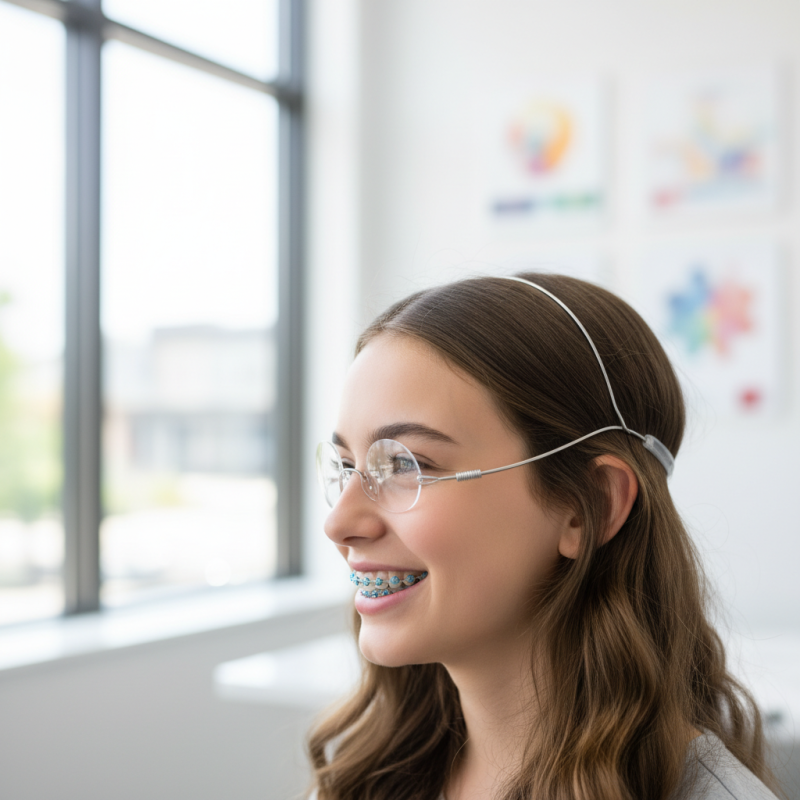
When considering head braces for orthodontic treatment, understanding the types available is essential. Head braces are often used to correct issues like misalignment and jaw discrepancies. One common type is the cervical pull headgear. It applies gentle pressure from the back of the head to the teeth. This can be effective for various dental corrections.
Another type is the high-pull headgear. It connects to the upper molars and stretches across the forehead. This type helps in moving the upper teeth backward. While both types can be effective, the choice depends on the specific needs of the patient. Fitting is crucial for success. A poor fit can lead to discomfort and ineffective treatment.
Some patients may find wearing head braces uncomfortable or even embarrassing. It can be challenging to remember to wear them as prescribed. Reflection on personal lifestyle and comfort is vital. Regular consultations with an orthodontist are important, though they might seem tedious. Patients should openly discuss any difficulties they face, which can lead to adjustments in the treatment plan.
Key Factors to Consider When Choosing Head Braces
Choosing the right head braces for orthodontic treatment is crucial. Several key factors influence this decision. Firstly, the severity of misalignment plays a significant role. According to the American Association of Orthodontists, about 25% of children require extractions due to severe crowding. Braces are essential in realigning teeth and improving oral health. Understanding your specific dental needs is vital.
Another important factor is comfort. Many patients report discomfort with certain brace types. Studies suggest that discomfort levels can vary by up to 30% depending on the brace's design. This variation can impact the patient's willingness to adhere to treatment plans. It’s worth considering if the brace will suit daily life, such as school activities or sports. Listening to feedback from professionals and peers can help in making a more informed choice.
Lastly, consider the aesthetic aspect. Metal braces are effective but may be unappealing to some. Clear or ceramic braces offer a less visible option, appealing to teens and adults. However, they may not fix severe misalignments as effectively as metal ones. Patients should weigh these factors against their aesthetic preferences while keeping oral health as the priority.
How to Choose the Right Head Braces for Your Orthodontic Treatment?
This bar chart demonstrates key factors to consider when choosing head braces for orthodontic treatment, rated on a scale from 1 to 10. Comfort and effectiveness are highly rated, indicating their importance in treatment selection, while aesthetics, adjustability, and durability also play significant roles in the decision-making process.
Consulting with Your Orthodontist: Importance and Tips
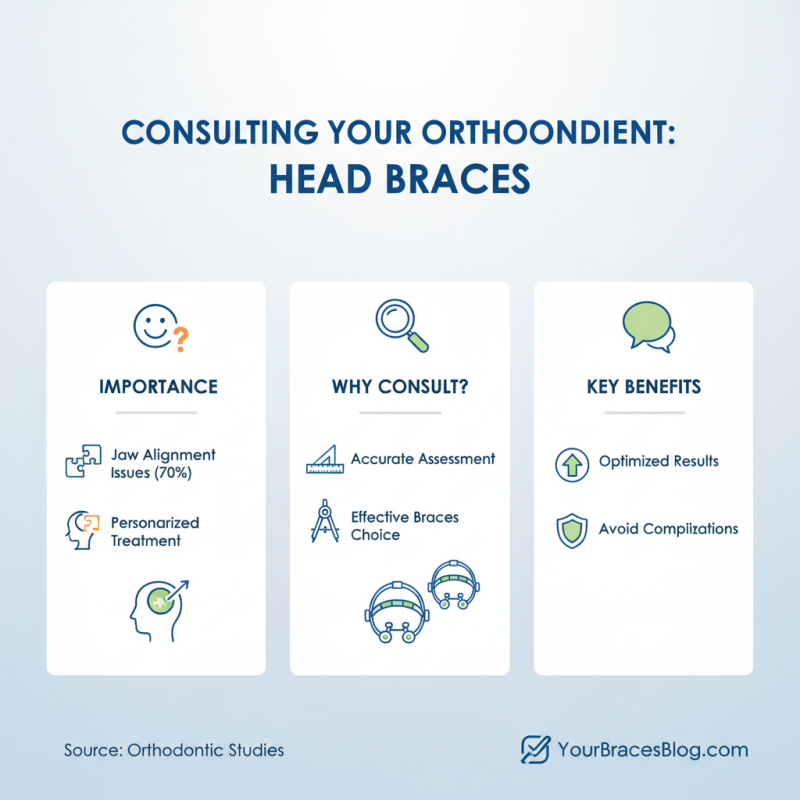
When it comes to choosing head braces for orthodontic treatment, consulting your orthodontist is crucial. Studies indicate that about 70% of individuals experience orthodontic issues due to jaw alignment problems. A skilled orthodontist can assess your unique condition. They will recommend the most effective braces based on your specific needs.
Communication with your orthodontist is important. Discuss any concerns about comfort and aesthetics. Research shows that patients who voice their concerns often achieve better outcomes. On average, patients wear braces for 18 to 24 months, so addressing any worries early can lead to a more favorable experience.
Orthodontic treatment plans should be tailored. Your orthodontist will consider factors like age, severity of misalignment, and lifestyle. This personalized approach can significantly improve the effectiveness of the treatment. Remember, not every type of brace suits every individual. Making informed choices with your orthodontist’s guidance will lead you on the right path.
The Role of Comfort and Aesthetics in Head Brace Selection
Choosing the right head braces for orthodontic treatment involves balancing comfort and aesthetics. Head braces can alter your appearance, so it's essential to consider how they will look on you. Some designs are less noticeable and blend well with everyday outfits. This can help minimize self-consciousness during your treatment.
Comfort is equally important. A comfortable head brace allows for easier wear throughout the day. If the brace causes irritation, it may lead to avoidance of wearing it altogether. Consider materials that are soft against your skin. Look for adjustable options to tailor the fit to your head shape. These adjustments can ensure a secure yet gentle hold.
Tips: Ensure that the brace does not dig into your skin. Regularly check for tightness to avoid discomfort. Don’t hesitate to express concerns to your orthodontist. They can provide solutions tailored for you. Choose a style that reflects your personality. A head brace should enhance rather than hinder your confidence. Finding the right fit takes some trial and error, but the right choice will make a significant difference.