How to Choose the Right Medical Wrist Brace for Your Needs?
Choosing the right medical wrist brace can significantly affect recovery and comfort. Dr. Emily Carter, a specialist in orthopedic rehabilitation, emphasizes, "The right brace supports healing and enhances mobility." With so many options available, finding the ideal medical wrist brace can feel overwhelming.
Many factors influence your choice. The severity of your condition matters. For some, a lightweight, flexible brace is sufficient. Others may require a more rigid option for immobilization. Comfort is crucial; a poorly fitting brace can hinder recovery rather than help. It's essential to try different sizes and styles.
You might wonder about the materials used. Breathable fabrics can prevent skin irritation, while others provide warmth for stiff joints. Always consider your daily activities when selecting a brace. A high-quality medical wrist brace should cater to your specific lifestyle needs and promote a faster healing process. Reflecting on these factors can lead to a more informed decision, benefiting your overall wrist health.
Understanding the Different Types of Medical Wrist Braces
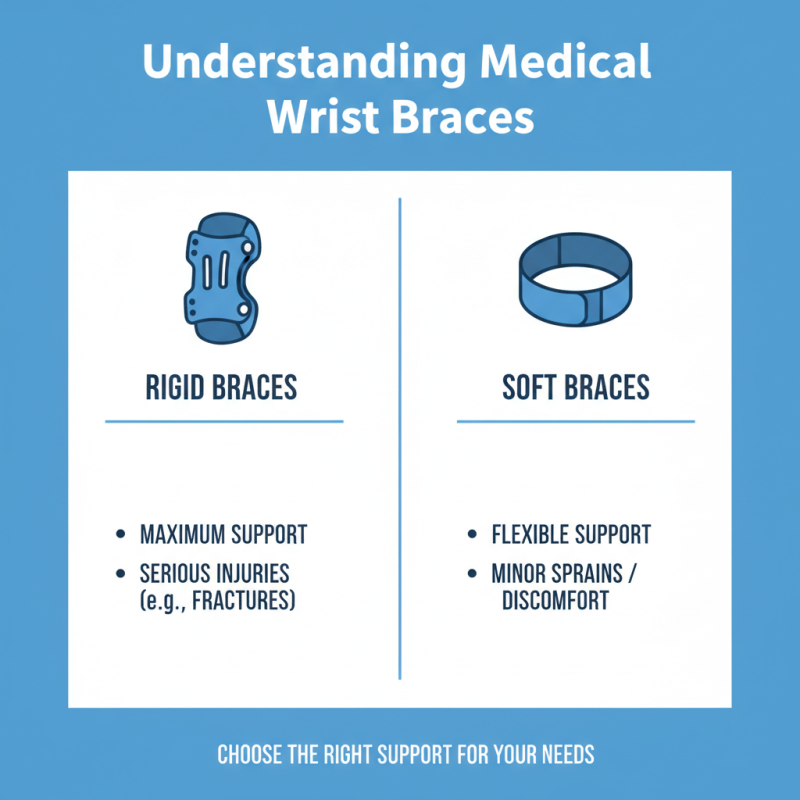
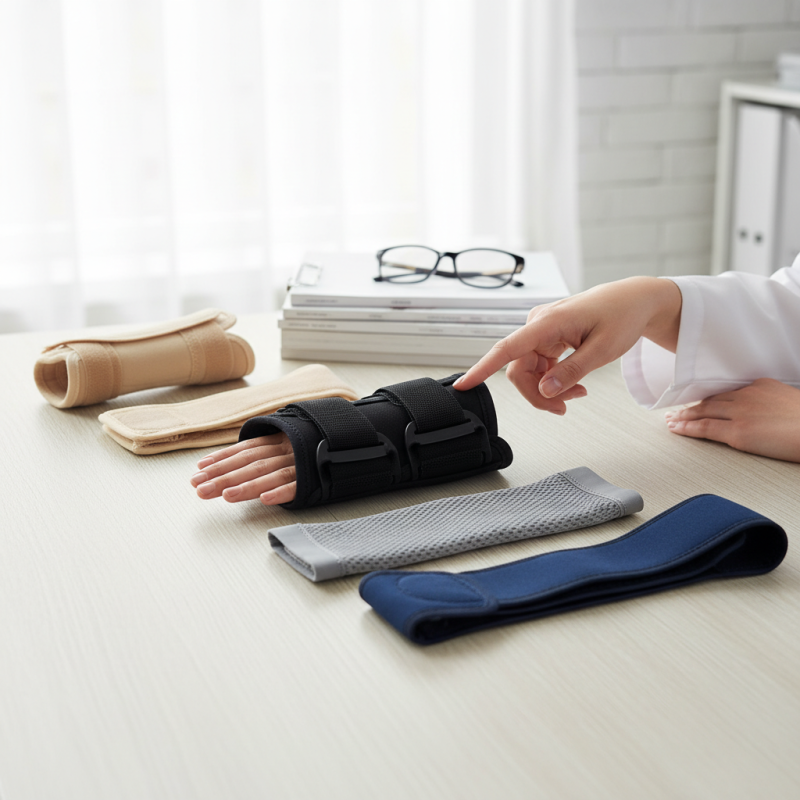
When selecting a medical wrist brace, understanding the various types available is crucial. Each type serves different needs. Rigid braces provide maximum support. They limit movement and are ideal for serious injuries. Soft braces, on the other hand, offer flexibility. They are often used for light sprains or general discomfort.
Another option is the adjustable brace, which offers customizable support. These are versatile and can adapt to different levels of pain or swelling. Thus, they are suitable for daily wear. It's important to consider the materials used. Breathable fabrics can enhance comfort during extended use.
In your search, reflect on what best suits your lifestyle. Consider factors like the severity of your injury and your activity level. A brace that is too rigid may restrict necessary movement. Conversely, one that is too loose might not provide adequate support. Therefore, careful assessment of your specific situation is key. Selecting the right wrist brace involves more than just fitting it properly. It's about finding a balance between support and the freedom to move.
Identifying Your Specific Wrist Condition and Needs
Identifying your specific wrist condition is crucial when choosing a medical wrist brace. Each condition, whether a sprain, strain, or carpal tunnel syndrome, has different support needs. A person with tendonitis may require a brace that offers compression and stability. Meanwhile, someone dealing with arthritis might benefit from a more flexible option that allows for gentle movement.
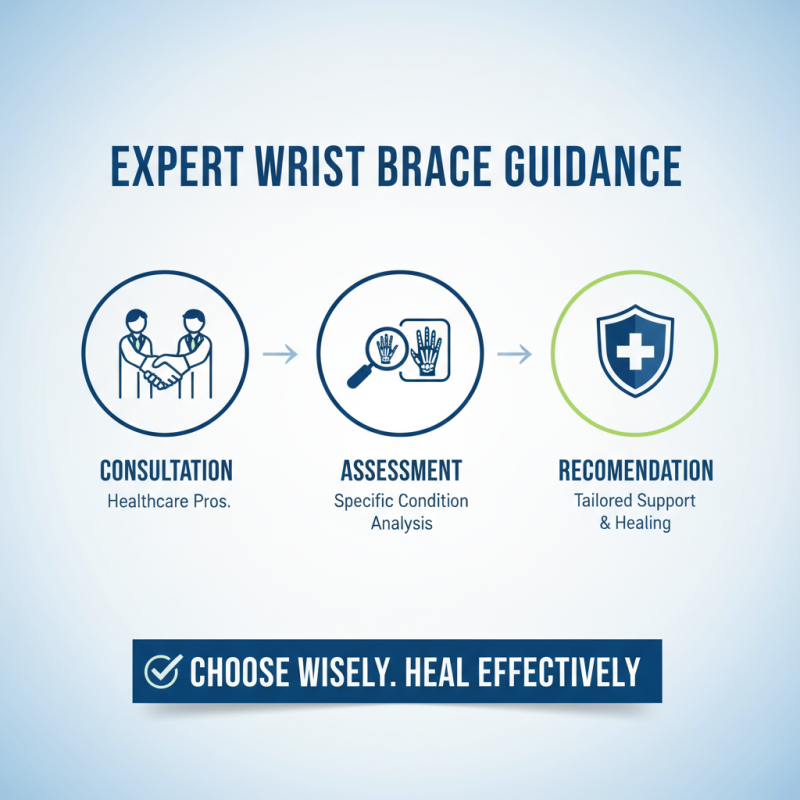
Understanding your symptoms can guide your choice. Is there swelling, pain, or limited range of motion? If you notice these signs, document them. This information will help you and a healthcare professional determine the most suitable brace. Also, reflect on your daily activities. Are you typing at a computer or engaging in sports? Consider how the brace will fit into your lifestyle.
Don’t overlook comfort. Sometimes, braces can feel restrictive or bulky. Trying on different models is key. They vary in materials and design, affecting how they feel during use. If you find a brace that’s too tight or doesn’t allow for enough motion, it might not be the right fit. It’s essential to find balance between support and comfort for effective healing.
Evaluating Material and Design Features of Wrist Braces
When selecting a medical wrist brace, material and design features play a crucial role in ensuring proper support and comfort. A study by the American Academy of Orthopaedic Surgeons notes that wrist braces made from breathable materials help prevent skin irritation. Neoprene and elastic blends are popular choices for their flexibility and warmth. However, some users may find neoprene to be too hot, which can be uncomfortable during extended wear.
The design of the brace matters as well. A well-fitted brace should allow for a good range of motion while providing stability. A report from the National Institutes of Health emphasizes that adjustable straps can enhance fit and support, particularly for individuals with varying wrist sizes due to swelling or injury. However, a brace that is too restrictive can impede circulation. It's vital to balance support with comfort to prevent further complications.
Reflecting on these factors is essential. Many individuals often overlook the need for proper sizing and adjustment, leading to ineffective treatment. An improperly fitted wrist brace can hinder recovery rather than aid it. Research suggests that frequent re-evaluation of the brace’s fit can lead to better outcomes in rehabilitation. Understanding these material and design considerations is key to making informed choices.
How to Choose the Right Medical Wrist Brace for Your Needs?
| Feature |
Description |
| Material |
Neoprene is breathable, while rigid plastics provide more support. |
| Size |
Measure wrist circumference for the right fit (small, medium, large). |
| Design |
Choose between open thumb designs for mobility or closed for stability. |
| Support Level |
Light support for minor injuries, medium for recovery, and high for post-surgery. |
| Closure Type |
Velcro for easy adjustment, and splint for fixed support. |
| Price Range |
Generally ranges from $15 to $100 depending on features. |
| Purpose |
Clarify your need: sports, medical recovery, or arthritis support. |
Considering Size and Fit for Optimal Comfort and Support
Choosing a medical wrist brace requires careful attention to size and fit. An ill-fitting brace can offer inadequate support, making healing difficult. Measure your wrist correctly. Use a flexible tape measure. Wrap it snugly around the widest part of your wrist. This ensures you select the right size that aligns with the manufacturer’s sizing chart.
Comfort is crucial for any brace. A well-fitted wrist brace should not pinch or restrict movement excessively. Consider materials. Breathable fabrics can enhance comfort, especially for extended wear. However, some users may find these materials less rigid, which could be a drawback. Reflecting on personal preferences can guide your choice. Each individual’s comfort level is unique.
Testing different braces is essential. If possible, visit a medical supply store. This allows you to try on various options. Pay attention to how each one feels during movement. Some might slide or bunch up. This discomfort can hinder recovery. Document your experiences. This practice helps refine future choices. Finding the right wrist brace may require patience, but the benefits will justify the effort spent.