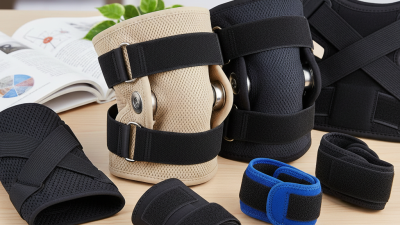
Why You Should Consider a Lower Leg Brace for Injury Recovery?
Injuries can significantly impact our daily lives, especially when they affect the lower limbs. A lower leg brace is often a vital tool in recovery. Many people overlook its benefits, assuming rest alone is enough. However, a brace provides support and stability, which can accelerate rehabilitation.
Using a lower leg brace can help realign bones and reduce strain on injured muscles. This allows for a more effective healing process. Additionally, it can boost confidence, enabling individuals to engage in light activities more safely. Many patients, however, may feel hesitant or embarrassed to use a brace. This stigma sometimes leads to slower recovery times and unnecessary discomfort.
As we explore the importance of a lower leg brace, it is crucial to acknowledge these feelings. Understanding its role in recovery can help shift perceptions. Embracing a lower leg brace might seem daunting, but it is a step toward better health and recovery. The journey may have its challenges, yet the right support can make a significant difference.

Benefits of Using a Lower Leg Brace for Injury Recovery
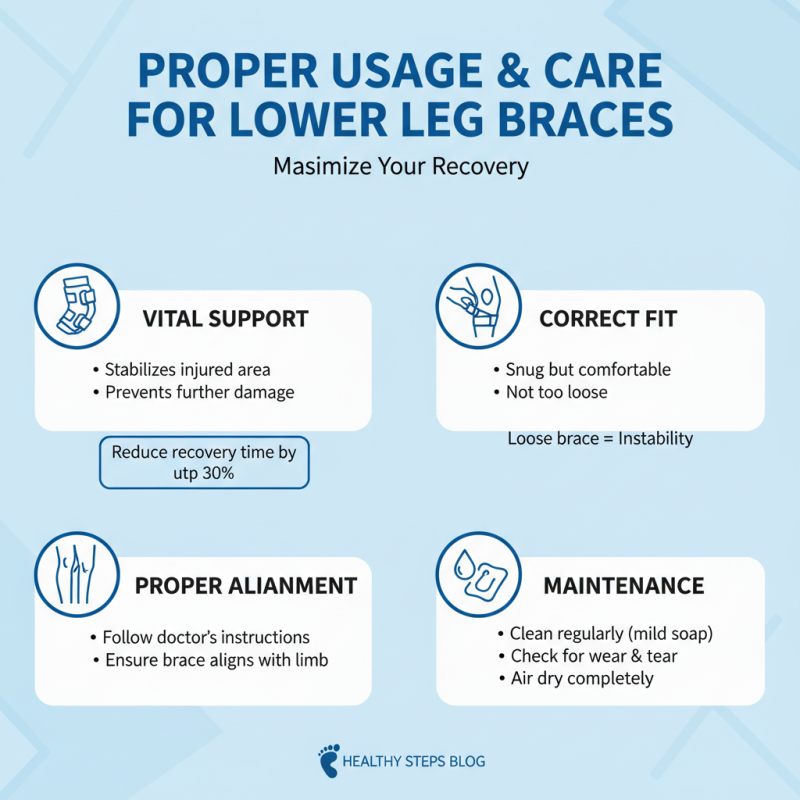
When recovering from a lower leg injury, using a brace can be beneficial. A lower leg brace provides stability and support, which aids in the healing process. It limits unnecessary movement, allowing injured tissues to rest. This protection helps prevent further damage, which is crucial during recovery.
Lower leg braces are lightweight and easy to wear. They can reduce swelling and pain, making physical therapy more effective. Many people find comfort in knowing they are supported. However, relying too much on the brace can lead to muscle weakness. It’s important to find a balance. Movement is essential for healing, but so is rest.
Patients should consult professionals to tailor the brace's use. Regular check-ins with a healthcare provider can guide progress. Recovery can be a slow journey filled with ups and downs. Documenting daily experiences can help reflect on progress. Emphasizing a gradual return to full activity aids in a healthier recovery process.
Types of Lower Leg Braces Available for Different Injuries
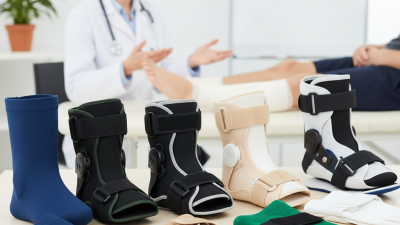
When recovering from a lower leg injury, using a brace can be beneficial. There are different types of lower leg braces for various conditions. For sprains, a simple ankle brace provides support and limits excessive movement. It helps in reducing pain and swelling.
For more severe injuries, such as fractures, a rigid brace might be necessary. This type stabilizes the leg and promotes proper healing. It is crucial to get the right fit. An ill-fitting brace can cause more harm than good. Take the time to adjust it properly.
In some cases, a custom brace may be needed. These are designed to address specific issues based on individual anatomy. They offer tailored support and can improve recovery outcomes. Every injury is unique, and so is the recovery path. Reflect on your progress regularly to ensure you are on the right track.
How to Choose the Right Lower Leg Brace for Your Needs
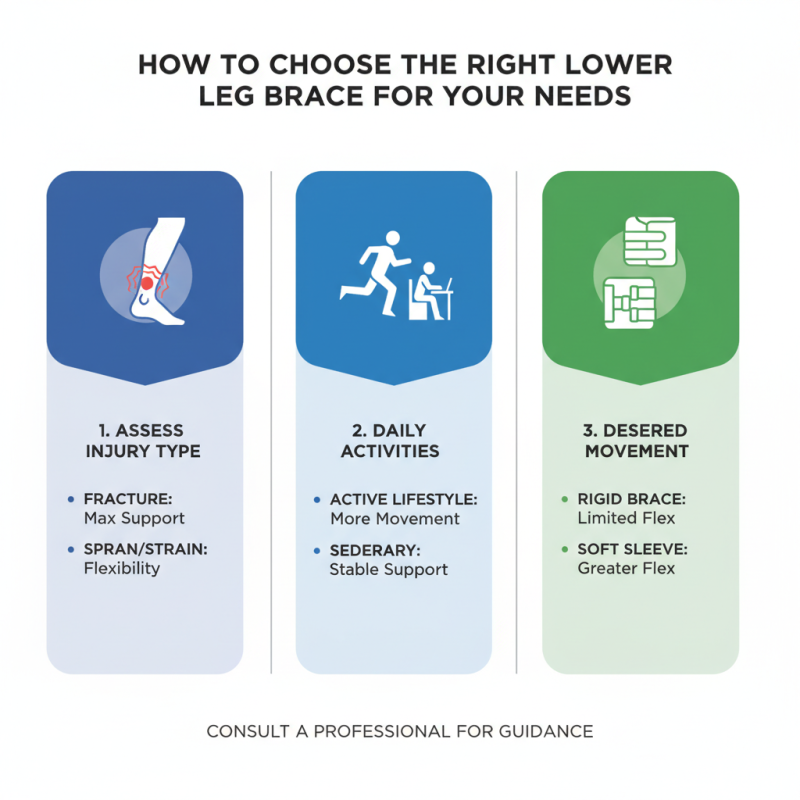
Choosing the right lower leg brace is crucial for effective recovery. It's essential to look at the type of injury you have. Some injuries require more support, while others may need flexibility. Think about your daily activities to determine the brace you need. Consider how much movement you want while wearing it.
Fit is another important factor. The brace must be snug but not uncomfortable. You could try on different sizes. It's a process that takes time. Sometimes, you might find that the brace impedes certain movements. This could lead you to rethink your choice. Be open to adjustments if the fit is not quite right.
Material matters, too. Some braces are made of sturdy materials, while others are lightweight and breathable. If you're prone to sweating, a breathable option is best. Reflect on the conditions in which you will be using the brace. Comfort should not be sacrificed for support alone. It's a balancing act.
Potential Risks and Considerations When Using a Lower Leg Brace
When recovering from a lower leg injury, a brace can be helpful. However, it's essential to consider potential risks. Improper use may lead to further instability. It can also cause skin irritation. Wearing a brace too long might weaken the muscles. Limited mobility may hinder proper healing.
Proper fit is crucial. An ill-fitting brace can lead to discomfort and even injury. Regular adjustments are necessary to ensure it fits well. Additionally, over-reliance on the brace can hinder your recovery. Patients might become too dependent, avoiding movement entirely. This can lead to stiffness and atrophy.
Consulting a healthcare professional before use is critical. They can provide guidance based on individual needs. Each injury is unique, requiring a tailored approach. It's essential to balance protection and mobility. Being mindful of these factors ensures a safer recovery process.
Why You Should Consider a Lower Leg Brace for Injury Recovery? - Potential Risks and Considerations When Using a Lower Leg Brace
| Aspect |
Details |
| Purpose of Lower Leg Brace |
Supports injured ankle and lower leg. |
| Types of Injuries Addressed |
Sprains, fractures, tendon injuries. |
| Benefits |
Provides stability, reduces pain, aids recovery. |
| Potential Risks |
Muscle atrophy, reliance on the brace. |
| Considerations Before Use |
Consultation with a healthcare professional is essential. |
| Duration of Use |
Typically to be worn for several weeks post-injury. |
| Alternatives |
Physical therapy, orthopedic shoes. |