7 Essential Tips for Choosing the Right Medical Wrist Brace
Choosing the right medical wrist brace can be challenging. With various options available, it’s crucial to understand what suits your needs best. Dr. Emily Carter, a renowned hand specialist, emphasizes the importance of selecting the correct brace. She states, “A well-fitted wrist brace can significantly enhance recovery and prevent further injury.”
When considering a medical wrist brace, think about your specific condition. Are you dealing with a sprain, tendinitis, or carpal tunnel syndrome? Each injury requires different support levels. High-quality braces offer stability without compromising mobility. This balance is essential for effective rehabilitation.
Furthermore, many users overlook the comfort aspect. A brace that feels uncomfortable can lead to non-compliance with wearing schedules. Reflecting on the size, material, and adjustability of the brace is essential. Negative experiences can stem from ill-fitting products. Thus, proper research and guidance from healthcare professionals can help you make an informed choice.

Understanding the Purpose of a Medical Wrist Brace
A medical wrist brace serves multiple purposes. It supports injured wrists, alleviates pain, and promotes healing. Additionally, it restricts movement to prevent further injury. Understanding these functions is vital when selecting the right brace for your needs. Therapy and rehabilitation often require a balance between support and mobility.
When choosing a wrist brace, consider these tips:
- Measure your wrist accurately. The right size ensures proper support.
- Look for material that provides comfort. Breathable fabrics are ideal for extended wear.
- Avoid braces that are too stiff. They may cause discomfort or hinder healing.
Consult a healthcare professional about your specific condition. Their expertise can guide your decision.
Always remember, not all braces fit all needs. Reflect on your lifestyle and activities. A well-chosen brace can enhance recovery and day-to-day function.
Identifying Your Specific Wrist Condition
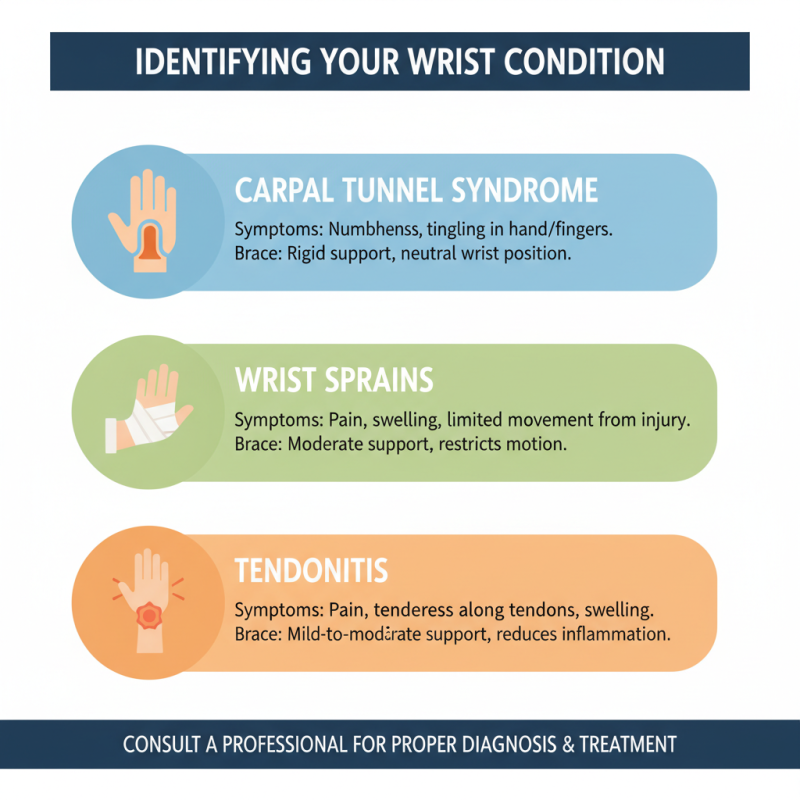
When selecting a medical wrist brace, it's crucial to identify your specific wrist condition. This knowledge guides you in finding a brace that offers the right support and comfort. Common conditions include carpal tunnel syndrome, wrist sprains, and tendonitis. Each condition requires a different level of immobilization and support.
Consider how your wrist feels during everyday activities. If you experience pain while typing, a brace providing more stability may be necessary. Look for options that emphasize comfort. A well-fitted brace can prevent further injury. Remember, size matters. A brace that’s too loose or tight can worsen your condition.
Evaluate the material of the brace. Breathable fabrics can improve comfort, especially during extended wear. However, some materials may not offer adequate support. It's essential to find a balance. Seek advice from medical professionals who understand your unique needs. Engage with community forums to hear about personal experiences. These insights can help you reflect on what works best for you.
Assessing the Level of Support Required
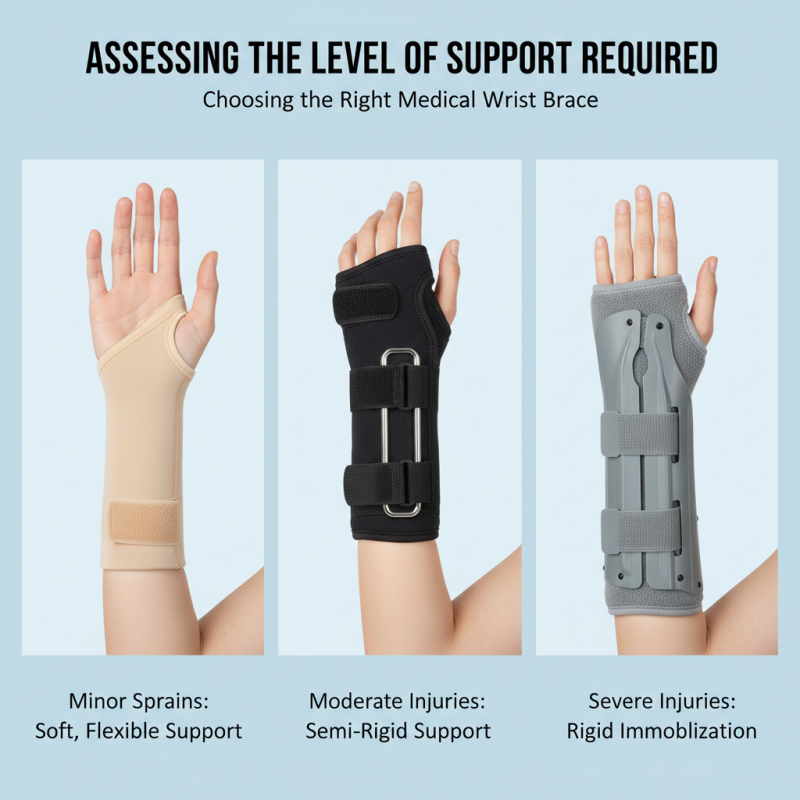
When selecting a medical wrist brace, understanding the level of support required is crucial. The right brace should cater to your specific injury or condition. For minor sprains, a soft, flexible brace may be enough. It provides gentle support and encourages mobility. However, if you've suffered a more severe injury, a rigid brace might be necessary. This type of brace immobilizes the joint, allowing time for healing.
Consider your daily activities when assessing support needs. For instance, if you need to type or perform repetitive tasks, a brace that allows some flexibility could be beneficial. Conversely, if your wrist requires rest, a fully supportive option is ideal. Comfort plays a significant role, too. A poorly fitting brace can lead to frustration and may hinder recovery.
Reflect on previous experiences with wrist support. Did you find your last brace effective? Evaluate what factors contributed to its effectiveness or shortcomings. Sometimes the best choice comes from understanding your own body and its requirements. Remember, not every brace will work for every individual, and finding the right one often requires trial and error.
Choosing the Right Size and Fit for Comfort
When choosing a medical wrist brace, size and fit are crucial for achieving comfort. A well-fitted brace should feel snug yet not restrictive. According to a study published in the *Journal of Hand Surgery*, improperly sized braces can lead to skin irritation and ineffectiveness. A survey showed that 55% of patients reported discomfort due to poorly fitted braces.
To find the right size, measure the circumference of your wrist and follow the sizing guide provided by the manufacturer. Additionally, consider the type of material used. Soft, breathable fabrics can make a significant difference in comfort during daily use. It's essential to ensure that the brace allows for some movement. Many people assume a tight fit equates to support, but this is not always the case. The right fit should provide stability without limiting blood circulation.
Consulting healthcare professionals can provide expert guidance. However, not everyone has access to this resource. Some may buy a brace without personalized advice. Be mindful of any changes in fit during use. Weight fluctuations or swelling can alter how well a brace supports the wrist. Listen to your body; discomfort is a signal to reconsider your choice.
7 Essential Tips for Choosing the Right Medical Wrist Brace
Selecting the right wrist brace size is crucial for achieving maximum comfort and effectiveness. The chart above indicates customer satisfaction percentages for different sizes of wrist braces based on user feedback.
Considering Material and Breathability for Daily Use
Choosing the right medical wrist brace involves careful consideration of materials and breathability. The material should offer comfort, flexibility, and support. A brace made from soft, stretchable fabrics can provide relief without feeling restrictive. However, some materials trap heat and moisture. This can lead to discomfort during daily activities. A balance between support and breathability is crucial.
Breathability is important, especially for extended wear. Look for materials that allow air circulation. Mesh panels or moisture-wicking fabrics can help keep your skin dry. You'll need a brace that can withstand sweat and movement without causing irritation. Sometimes, the most supportive brace is also the most uncomfortable. It’s a challenge to find one that combines both.
Reflect on your daily activities when selecting a brace. If you perform tasks that require a lot of movement, a more breathable option may be necessary. Yet, if you need stability, a sturdier material will offer the needed support. Testing different options can provide insight. Remember, comfort should not be compromised for support, and vice versa.