What is a Food Safety Kit and Why Do You Need One?
Food Safety Kits are essential tools for maintaining hygiene and preventing foodborne illnesses. According to the Centers for Disease Control and Prevention (CDC), nearly 48 million people get sick from foodborne diseases each year in the U.S. alone. This statistic highlights the significance of having a reliable Food Safety Kit at home or in a commercial kitchen.
These kits usually include thermometers, gloves, and sanitizing solutions. Each component helps ensure food is stored and prepared safely. Research indicates that proper food handling procedures cut the risk of contamination by over 50%. Yet, many still neglect these practices, putting themselves and others at risk.
Despite the evident need, not everyone owns a Food Safety Kit. Some individuals may assume it’s unnecessary or overly complicated to implement. However, food safety should not be an afterthought. With rising food safety concerns, investing in a Food Safety Kit has never been more crucial.
Understanding the Concept of a Food Safety Kit
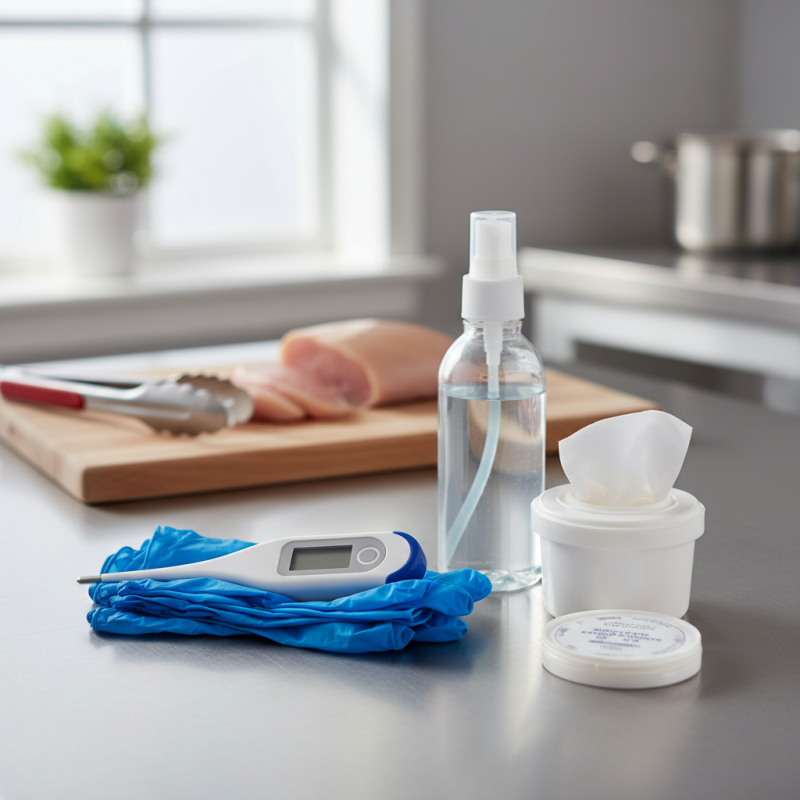
A food safety kit is crucial for both households and businesses. It typically includes items such as thermometers, gloves, and sanitizers. These tools help minimize the risk of foodborne illnesses. According to the CDC, one in six Americans gets sick from contaminated food each year. This emphasizes the importance of preparedness in food safety.
Understanding what a food safety kit entails can be eye-opening. It should cater to specific needs, whether for home cooking or food service. For instance, thermometers can ensure meats are cooked to safe temperatures. Yet, many people overlook maintaining these tools or checking expiration dates on sanitizers. Recent reports show a surprising 70% of home cooks do not use thermometers. This gap points to a critical oversight in kitchen safety.
Creating a food safety kit is only part of the equation. Users must actively engage with the tools provided. Awareness and education about food safety practices are essential. Disturbingly, some studies reveal that only 33% of people wash their hands before food preparation. This leaves a significant area for improvement. A kit is only as effective as the practices behind it.
Key Components of an Effective Food Safety Kit
A food safety kit is essential for anyone who handles food. Its primary purpose is to help prevent foodborne illnesses. An effective kit should include various key components. These components ensure proper food handling and storage.
Start with a good thermometer. It helps check food temperatures accurately. Maintaining safe temperatures can prevent illness. Include food storage containers that are properly labeled. Labels help monitor expiration dates.
Cleaning supplies like sanitizers are also crucial. They help maintain a clean environment to reduce cross-contamination.
Don’t forget gloves and hairnets. They create a barrier between food and contaminants. A first-aid kit is important too. Accidents can happen, even during food preparation. Regularly review and restock your kit.
Over time, items may expire or run out. Reflecting on your food safety practices can lead to better habits. Every little detail counts when it comes to food safety.
Importance of Having a Food Safety Kit in Your Home
A food safety kit is essential for every home. It helps prevent foodborne illnesses. When we cook, it’s easy to overlook safety practices. A kit can remind us and provide needed tools. Essential items include a thermometer, gloves, and cleaning supplies. These small tools can make a big difference.
The importance of a food safety kit goes beyond mere convenience. It offers peace of mind. Families often share meals, and we want to ensure they are safe. Accidents happen, sometimes from common mistakes. Perhaps raw chicken touches vegetables. With a kit, awareness grows. It encourages better cooking habits at home.
Creating a food safety kit encourages reflection on our practices. We might realize, for instance, that we need to check expiration dates more often. It opens discussions about food handling techniques. Small changes can lead to larger benefits. Having the right tools and mindset reduces risks. Every step counts in keeping our loved ones safe.
How to Assemble Your Own Food Safety Kit
Assembling a food safety kit is an essential step for anyone who values safe food handling at home. Start with basic items like food thermometers and gloves. You might also need color-coded cutting boards to avoid cross-contamination. Ensure that you have sanitizing wipes to keep your surfaces clean. Some people overlook this aspect, but it’s crucial for preventing foodborne illnesses.
Don’t forget to include personal protective equipment. Simple masks and hairnets can make a significant difference. While it may seem unnecessary, investing in these items shows that you care about hygiene. It’s easy to forget about the small details. Still, they play a critical role in a safe cooking environment.
Consider packaging your kit in a designated container. A plastic bin or a sturdy bag will keep everything organized. This way, you can grab your kit quickly and avoid searching for items. Remember, a disorganized kit can lead to frustration. Evaluate your kit regularly. Replace expired items and restock supplies as needed. It’s a task that requires attention but pays off in the long run. Taking these steps not only improves safety but also encourages better cooking habits.
Food Safety Kit Components
Tips for Maintaining and Updating Your Food Safety Kit
When it comes to food safety, having a well-prepared safety kit is essential. Regularly check the contents of your kit. Look for expired items. Discard anything outdated or damaged. This simple act ensures everything is up to date. It’s easy to forget what you have. A few minutes can make a big difference.
Consider adding new items based on recent trends or discoveries in food safety. For example, sustainable food storage solutions are on the rise. Food thermometer calibration is crucial, but often overlooked. Write down reminders on a calendar. Stay organized and keep your kit practical.
Reflect on your experiences. Have you encountered food safety issues in the past? If so, adjust your kit based on what you learned. Don’t hesitate to ask others for their input. Collaboration can lead to new insights. After all, food safety is everyone's responsibility.