

What Is Spirulina Powder Used For?

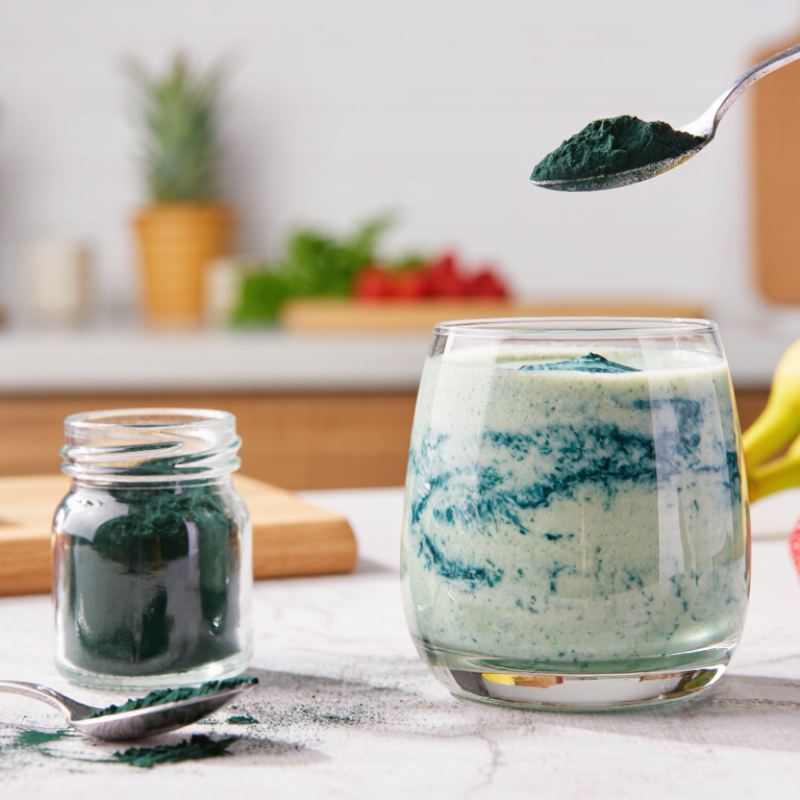
Spirulina Powder is often added to smoothies, juices, and everyday recipes for its concentrated nutrients and distinctive green-blue color. A small spoonful can tint a glass of fruit smoothie deep teal. But what does the powder actually provide, and how much should its nutrition claims influence a purchase?

USDA FoodData Central lists dried spirulina at about 57 grams of protein per 100 grams. That figure describes the dried ingredient, not a typical serving. A five-gram portion would provide roughly 2.9 grams of protein, based on that database value. Real products can differ. Check the package label, serving size, and testing information rather than relying on broad marketing claims. Spirulina is nutrient-dense, but it is not a substitute for a varied diet or medical care.

This guide examines common uses, nutrition, preparation, and practical buying considerations. It also distinguishes documented information from claims that need stronger evidence. One limitation matters: no industry report or verifiable expert quotation was supplied for this request. I cannot responsibly invent a market statistic or attribute a sentence to a named specialist. A direct expert quote should be checked against its original publication before use. That restraint may feel less polished. It is more reliable.
What Is Spirulina Powder Used For?

What Spirulina Powder Is and How It Is Made

Spirulina powder is dried biomass from Arthrospira, a blue-green cyanobacterium often called blue-green algae. It grows in water and forms fine, floating filaments. The FAO’s 2010 technical review, A Review on Culture, Production and Use of Spirulina, describes dried spirulina as protein-rich, often containing about 60–70% protein by weight. Actual values vary with the strain, growing conditions, and processing. Powder is commonly added to smoothies, soups, or other foods for its color and nutrients.

Commercial production begins in managed ponds or enclosed growing systems. Cultivators control water chemistry, light, temperature, and nutrients, then collect the dense biomass by filtration. The wet material is rinsed, dried, and milled into a fine powder. It may smell earthy or sea-like, and its vivid green-blue color can tint a drink quickly. The process sounds simple; it is not always uniform.

Drying matters. Heat and storage conditions can affect color and nutrient retention, while poorly controlled water or handling can compromise quality. The FAO review explains these production steps, but it does not mean every powder has the same composition. Small differences show. Checking a product’s ingredient details and independent quality testing can help readers judge what is actually in the jar.

What Is Spirulina Powder Used For? What It Is and How It Is Made

Spirulina powder is made from dried spirulina, a nutrient-rich cyanobacterium. It is commonly added to smoothies and other foods or used as a dietary supplement. To make the powder, spirulina is cultivated, harvested, washed, dried, and milled.

The chart shows selected nutrients in dried spirulina per 100 g. Dietary fiber is included within the total carbohydrate value, so these values should not be added together. Nutrient content can vary by product and processing method.

Data source: USDA FoodData Central, “Seaweed, spirulina, dried.”

Key Nutrients Found in Spirulina Powder

Spirulina powder is a concentrated dried food, so its nutrient figures can look striking. USDA FoodData Central lists about 57 grams of protein and 28.5 milligrams of iron per 100 grams of dried spirulina. A five-gram spoonful provides roughly 2.9 grams of protein and 1.4 milligrams of iron. That is useful context. The spoon is small, though, and it is not a meal-sized protein serving. Values also vary with growing conditions and processing, so the label on a specific product matters.

Spirulina also contains copper and other minerals, plus phycocyanin, the blue pigment that gives the powder its deep color. A little turns a smoothie dark green-blue. It can contribute nutrients, but it should not be treated as a cure or a substitute for varied foods.

One detail deserves care: spirulina is not a dependable vitamin B12 source. The NIH Office of Dietary Supplements notes that reliable B12 sources include animal foods and fortified foods; spirulina’s B12-like compounds may not meet the body’s needs. That distinction is easy to miss.

Common Food and Beverage Uses

Spirulina powder is commonly mixed into smoothies, where its deep green color blends with banana, mango, or citrus. Start with a small amount, such as a quarter teaspoon, because its earthy, slightly savory taste can quickly take over. A squeeze of lemon may brighten the flavor, though it will not make the powder disappear. The color is vivid.

It can also be stirred into yogurt, oatmeal, or salad dressing. Mix it with a little water or yogurt first to reduce dry clumps, then fold it into the rest. In drinks, a shaker or blender usually gives a smoother result than stirring with a spoon. Keep expectations modest: spirulina may tint a pale smoothie an intense green, and the result can look stronger than it tastes.

Some cooks add the powder to pancake batter, pasta dough, or dips such as hummus. Heat and other ingredients can change its color and flavor, so it may take a little testing to find a pleasing amount. Use it as a food ingredient, not as a substitute for a varied diet. Check the product label for serving guidance and storage instructions, and keep the powder sealed and dry.

What Is Spirulina Powder Used For? – Common Food and Beverage Uses

Food or beverage How the powder is used Typical flavor and color effect Practical note
Smoothies and shakes Blend a small amount into fruit, vegetable, or yogurt-based drinks. Adds a deep green-blue hue and an earthy, savory note. Strong-tasting fruits and ingredients such as citrus or banana can help balance its flavor.
Juices and drink mixes Whisk or shake into juice, water, or another prepared beverage. May make the drink opaque and green, with a noticeable earthy taste. Mix thoroughly; the fine powder may clump if added all at once.
Yogurt, oatmeal, and breakfast bowls Stir into yogurt or oatmeal, or sprinkle into a prepared bowl. Provides a green color and a mild-to-pronounced savory note, depending on the amount used. Combine with fruit, honey, or other toppings if a less savory flavor is preferred.
Dips, spreads, and dressings Blend into hummus, avocado spreads, salad dressings, or other savory mixtures. Works with savory flavors and deepens the mixture’s green color. Add gradually and taste as you go, since the flavor can become prominent.
Soups and sauces Whisk into a finished soup or sauce, or blend it in with other ingredients. Adds green color and an earthy, sea-like flavor that pairs best with compatible savory ingredients. Stir in a little at a time to avoid clumps and to check the taste.
Snack bars and energy bites Mix into no-bake blends containing ingredients such as oats, nuts, seeds, or dried fruit. Colors the mixture green and adds a savory note beneath sweeter ingredients. Distribute the powder evenly through the dry ingredients before combining.
Baked goods and pasta dough Use a small quantity in dough or batter for color and flavor. Can create a green appearance; the earthy flavor may be more noticeable in mild recipes. It is not a one-for-one replacement for flour; adjust the recipe carefully.

Note: Spirulina powder is a dried blue-green cyanobacterium used as a food ingredient. Its flavor and color vary by product and amount. Follow the package directions and choose products tested for contaminants such as microcystins and heavy metals.

How Spirulina Powder Is Used in Supplements

Spirulina powder is a dried blue-green algae ingredient used in some dietary supplements. The powder is often stirred into smoothies, yogurt, or water. Its deep green color is noticeable, and its earthy, slightly savory taste can take getting used to. Some people prefer capsules because they avoid the flavor.

In supplements, spirulina may be sold on its own or blended with other powdered ingredients. The amount per serving varies, so check the product label rather than assuming one scoop is standard. Spirulina contains protein and other nutrients, but a typical serving is small. It should not replace a varied diet or be treated as a cure for illness. Evidence for specific health benefits remains limited.

Tips: Start with the labeled serving, and mix the powder thoroughly into a cool drink to reduce clumps. Look for clear ingredient information and independent testing for product identity and contaminants. Quality can vary. If you are pregnant, have a medical condition, or take medication, ask a qualified healthcare professional before using it. I would not rely on a supplement label alone to answer every safety question.

Safety, Side Effects, and Use Considerations

Spirulina powder can cause nausea, loose stools, stomach discomfort, or headache, especially when someone takes more than they tolerate. Allergic reactions are possible, too. Stop using it and seek medical advice if you develop swelling, breathing difficulty, or a widespread rash. Mild symptoms matter as well; they can make it hard to tell whether the powder or something else is responsible.

Product quality deserves attention. Spirulina may be contaminated with toxins such as microcystins or with heavy metals if it is grown or processed poorly. Choose products that provide independent testing for contaminants, and check the label for clear ingredient and serving information. A powder’s vivid green color does not prove its purity. Start with a small amount and follow the package directions; stirring it into a smoothie does not remove contaminants.

Talk with a healthcare professional before using spirulina if you are pregnant or breastfeeding, have an autoimmune condition or phenylketonuria, or take regular medicines. Spirulina contains phenylalanine, and possible medicine interactions are not fully understood. Evidence about long-term use is also limited. That uncertainty is worth taking seriously.