Best Tips for Choosing Joint Braces for Pain Relief?
Finding the right joint braces can be a challenge for those experiencing pain. Joint pain affects millions globally. According to the World Health Organization, around 40% of adults suffer from some form of joint discomfort. Understanding how to choose the right braces is crucial for effective relief.
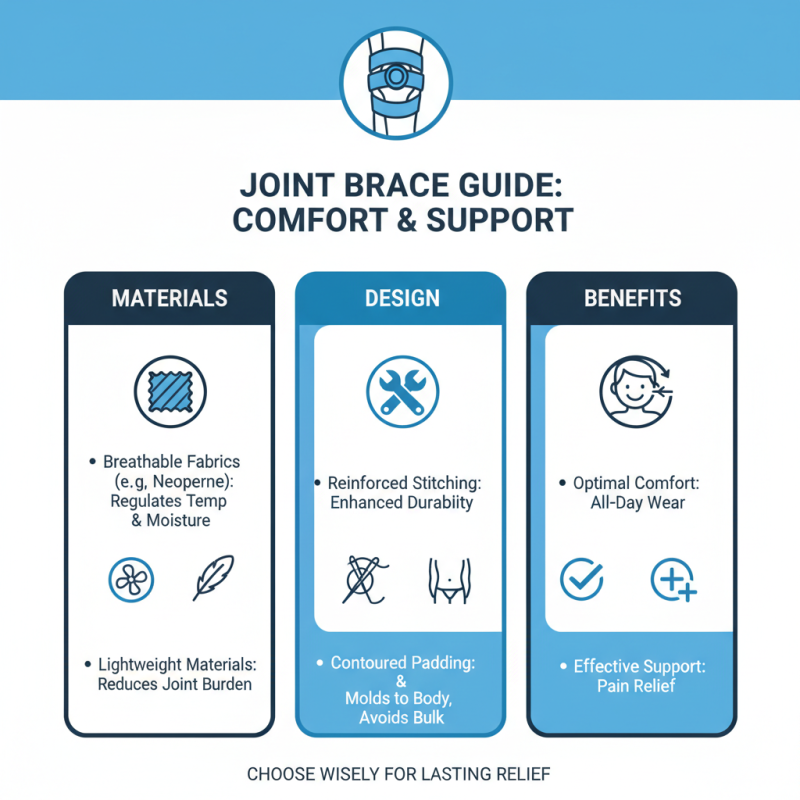
When considering joint braces, one must look at several factors. Material is a key component. Many users prefer breathable fabrics for comfort. Proper fit is equally important. Braces that are too tight can worsen pain, while loose options may not provide adequate support. Some studies suggest that approximately 30% of users report improved pain management with the right brace.
Don’t overlook additional features. Adjustable straps can enhance the brace's effectiveness, allowing for a customized fit. It's also worth noting that not all braces are made equal. Some may lack the necessary support or durability, leading to disappointment. Reflecting on these details can guide better choices and improve overall mobility.
Understanding Different Types of Joint Braces: A Comprehensive Guide
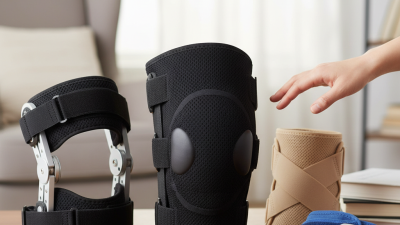
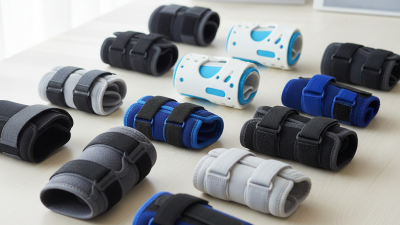
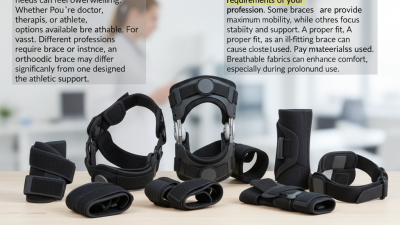
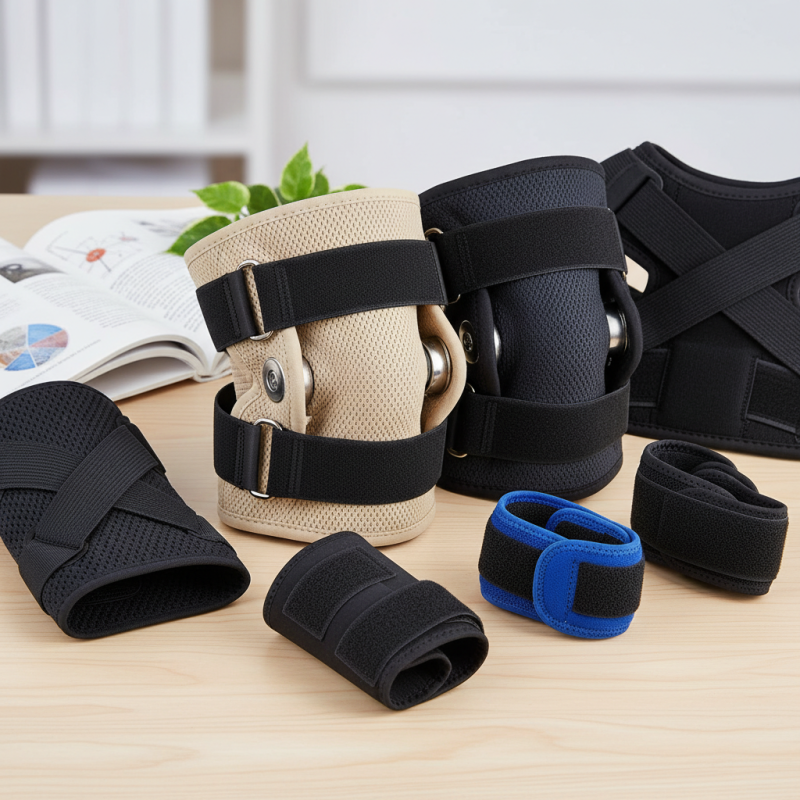
When choosing a joint brace, understanding the types available is crucial. There are various options like soft braces, rigid braces, and functional braces. Soft braces provide compression and support, while rigid braces offer stability. Functional braces allow movement but restrict harmful motions. Evaluating what fits your needs is key.
Consider a brace that aligns with your specific pain points. Do you need support for your knee or wrist? Each joint requires different features. Measure your joint carefully for the best fit. A poorly fitting brace may cause more discomfort.
Tip: Always consult a healthcare professional before purchasing a brace. They can guide you in selecting the right type and size. Remember, comfort should not be sacrificed for style. A brace that looks good does little if it doesn’t alleviate pain. Take time to research and reflect on what works best for you.
Key Factors to Consider When Selecting Joint Braces for Pain Relief
Choosing the right joint brace can significantly impact pain relief. When selecting a brace, consider the type of joint affected. Different braces cater to knees, wrists, and elbows. Each joint has unique needs, so understanding the specifics aids in your decision.
Fit is crucial. A well-fitting brace provides comfort and support. It should not be too tight or too loose. Test the brace by moving your joint. Ask yourself: Does it restrict mobility? Is it too bulky? These reflections can guide your choice.
Material matters too. Look for breathable fabric to prevent skin irritation. Some materials offer more stretch for better flexibility. Think about your daily activities when choosing. Do you need extra stability for sports or light support for daily tasks? These considerations shape your decision for joint pain relief.
The Role of Size and Fit in the Effectiveness of Joint Braces
When selecting a joint brace for pain relief, size and fit are crucial. An ill-fitting brace can lead to discomfort or inadequate support. According to a study from the American Academy of Orthopaedic Surgeons, proper sizing can improve a brace's effectiveness by up to 70%. If the brace is too tight, it may cut off circulation. Conversely, a loose brace fails to provide the necessary stability.
Measuring joint circumference accurately is essential. Many users overlook this step, leading to incorrect selections. A poorly fitted brace may exacerbate pain or cause new issues. Research shows that 40% of users experience complications due to sizing errors. Taking the time to measure ensures the best possible outcomes.
Ultimately, the right fit will depend on individual dimensions and the specific joint affected. A personalized approach enhances pain relief and aids recovery. Many users report feeling more secure in their movements with a well-fitted brace. This highlights the need for attention to detail when choosing an appropriate brace. Just remember, settling for a quick fix can lead to further complications down the line.
Expert Recommendations: When to Consult a Medical Professional for Braces
Choosing joint braces requires careful consideration. It's vital to recognize when professional guidance is necessary. According to recent studies, about 38% of individuals using braces report discomfort that could indicate a need for medical attention. If the pain persists or worsens, consultation is essential. A healthcare professional can assess specific needs, ensuring the selected brace provides appropriate support without causing further issues.
When selecting a brace, consider the level of activity. For mild support, a flexible brace may be suitable. For serious injuries, a rigid brace could offer better protection. It's important to assess your daily activities and needs. Often, individuals overlook the fit. A brace that's too tight can restrict circulation. Conversely, one that's too loose may not provide adequate support. Regularly check the fit to ensure maximum effectiveness.
Monitoring symptoms is crucial. If swelling or pain occurs while using a brace, seek help. Data suggests that 30% of users may ignore discomfort, potentially leading to complications. Always listen to your body. It's important to reflect on how your body responds to different braces. Small adjustments can make a significant difference in comfort and effectiveness. Work with a healthcare provider for optimal results.
Best Tips for Choosing Joint Braces for Pain Relief
This chart illustrates the effectiveness ratings of various types of joint braces for pain relief. Ratings are based on user feedback and expert recommendations, providing insight on which braces might be best suited for specific joint pain issues.