
Choosing an infant wrist brace supplier requires more than comparing prices or browsing polished product photos. Global buyers need dependable manufacturing, clear sizing information, safe materials, and responsive communication. A brace that looks soft on a screen may feel stiff against a baby’s skin. Small details matter.
This guide introduces ten suppliers serving international buyers and examines their practical strengths. The comparison considers production experience, material selection, adjustment methods, packaging, quality controls, and documentation. It also reviews whether suppliers explain intended use clearly and support buyers after delivery. Experienced manufacturers should provide samples, measurement guidance, and traceable inspection records. These details can reduce costly misunderstandings between factories, distributors, clinics, and families.
Still, no supplier is flawless. A strong website does not guarantee consistent production. A low quotation may exclude testing, customized sizing, or careful packaging. Buyers should request current specifications and verify claims independently. Medical professionals should guide decisions about an infant wrist brace, especially when a baby has pain, swelling, weakness, or unusual movement. A supplier cannot replace clinical judgment.
Look closely. Ask better questions. The top ten list is a starting point, not a final verdict. Regional requirements, delivery conditions, and customer support may change the best choice for each buyer. Even experienced purchasers can miss small risks, such as rough seams, unclear size charts, or delayed sample revisions. Careful evaluation remains essential for responsible global sourcing.
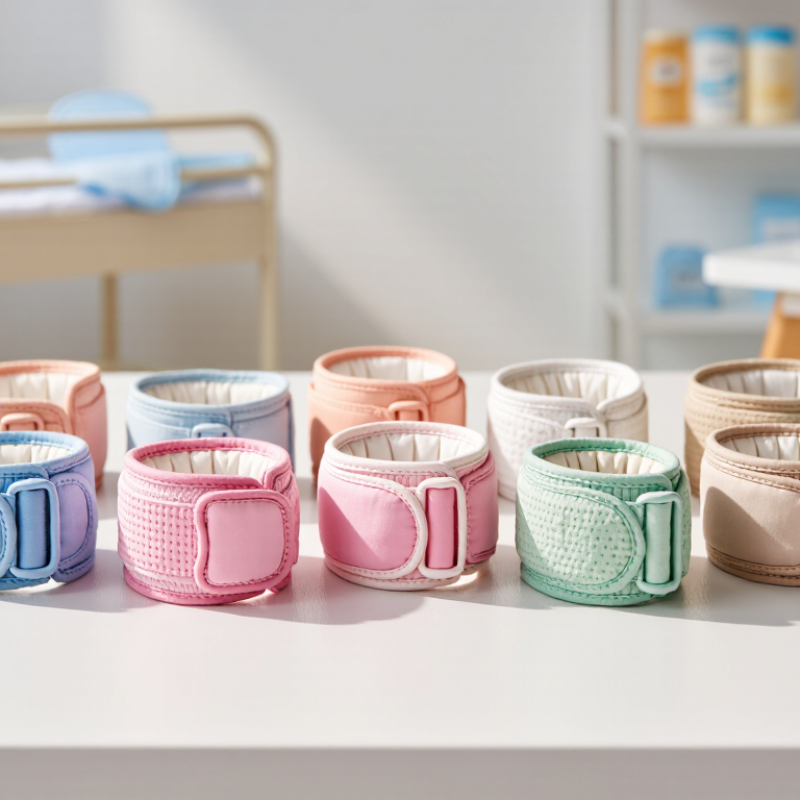
When comparing infant wrist brace suppliers, buyer safety should lead every market decision. Ask for material specifications, skin-contact test reports, and clear age and size guidance. The brace should feel soft, with smooth seams and secure closures caregivers can inspect quickly. Suppliers should explain how fit is checked across different infant wrist sizes. Vague sizing is a warning sign. Very young users need extra care.
Reliable suppliers can provide production records, batch traceability, sample approvals, and consistent packaging details. Review factory quality procedures, inspection frequency, and corrective-action records instead of accepting attractive photographs. Independent testing adds confidence, but buyers should verify each report’s scope and date. Ask whether qualified pediatric or rehabilitation professionals reviewed the design. Their answers reveal practical knowledge.
Global purchasing also depends on communication and fulfillment. Compare lead times, minimum order quantities, replacement policies, labeling support, and export documents. Test samples under realistic handling, including dressing, gentle movement, and repeated fastening. Do not judge comfort from one sample alone. That is imperfect, but useful. I would record caregiver feedback from several regions, since climate, language, and dressing habits can affect performance. Suppliers who admit limits should provide clear evidence and practical adjustments.
Anonymous supplier benchmark based on commonly used global sourcing criteria for infant wrist-support products
| Rank | Anonymous Supplier Profile | Primary Supply Region | Typical Product Capability | Common Materials | Typical MOQ Range | Typical Production Lead Time | Customization Capability | Key Compliance Documents to Request | Quality-Control Indicators | Global Buyer Fit Score |
|---|---|---|---|---|---|---|---|---|---|---|
| 1 | Supplier Profile A High-volume medical textile manufacturer |
East Asia | Soft infant wrist supports, adjustable braces, and small-size orthopedic textile products | Neoprene alternatives, breathable spacer fabric, cotton blends, elastic webbing, hook-and-loop closures | 500–1,000 pieces | 25–40 days after approval of samples | Size grading, fabric selection, packaging, labeling, and private specifications | ISO 13485 certificate where applicable, ISO 10993 test reports, material declarations, REACH and CPSIA documentation | Incoming material inspection, in-process checks, final sampling inspection, traceable batch records | 9.2/10 |
| 2 | Supplier Profile B Specialized compression-support producer |
East Asia | Light-compression wrist sleeves, soft stabilizers, and pediatric support products | Nylon-spandex blends, polyester mesh, soft foam, silicone grip elements | 300–800 pieces | 30–45 days after design confirmation | Compression level, color, size range, logo-free packaging, and fabric composition | Fiber-content report, colorfastness testing, skin-contact safety documentation, REACH and RoHS declarations | Dimensional checks, stretch-recovery testing, seam inspection, colorfastness testing | 9.0/10 |
| 3 | Supplier Profile C Low-volume custom medical-product workshop |
South Asia | Small-batch infant braces, prototype development, and custom textile assemblies | Cotton jersey, polyester knit, elastic bands, foam padding, soft lining fabrics | 100–300 pieces | 35–55 days after prototype approval | High flexibility for patterns, dimensions, stitching, packaging, and sample revisions | Material safety declarations, skin-contact test reports, factory quality procedures, product risk assessment | Prototype approval process, sewing inspection, measurement records, pre-shipment inspection | 8.7/10 |
| 4 | Supplier Profile D Integrated cut-and-sew healthcare supplier |
Southeast Asia | Fabric wrist braces, infant support bands, and coordinated pediatric textile accessories | Breathable polyester, cotton-modal blends, elastic knit, brushed tricot lining | 500–1,500 pieces | 30–50 days after purchase-order confirmation | Pattern adjustment, fabric sourcing, packaging formats, and carton configuration | Factory audit records, restricted-substance declaration, CPSIA support documents, product test reports | Needle-control procedures, seam-strength checks, metal detection where required, final AQL inspection | 8.5/10 |
| 5 | Supplier Profile E European small-batch orthopedic textile producer |
Central Europe | Soft pediatric orthoses, breathable wrist supports, and made-to-measure samples | Medical-grade textiles, breathable foam, elastic knit, low-profile hook-and-loop materials | 50–250 pieces | 45–70 days for customized orders | Strong pattern development, clinical sizing options, packaging, and documentation support | ISO 13485 evidence where applicable, ISO 14971 risk-management records, ISO 10993 data, EU product documentation | Documented design controls, batch traceability, dimensional verification, complaint-handling procedures | 8.4/10 |
| 6 | Supplier Profile F Export-oriented rehabilitation-product supplier |
East Asia | Adjustable infant wrist braces, rehabilitation supports, and general orthopedic accessories | Polyester, nylon, neoprene alternatives, EVA foam, elastic straps | 800–2,000 pieces | 25–45 days for standard designs | Moderate customization of colors, labels, dimensions, and packaging | Material safety data, REACH declaration, CPSIA test support, packaging and labeling records | Standard operating procedures, final inspection reports, carton drop testing, lot identification | 8.1/10 |
| 7 | Supplier Profile G Private-label pediatric support manufacturer |
Southeast Asia | Soft braces, wrist wraps, pediatric support sleeves, and retail-ready packaging | Nylon-spandex, polyester mesh, cotton blends, foam inserts | 1,000–3,000 pieces | 35–55 days after artwork approval | Retail packaging, barcode placement, size labels, colors, and standard pattern changes | Factory audit report, fiber composition, restricted-substance test, packaging compliance documents | Barcode verification, packaging inspection, measurement sampling, visual defect control | 7.9/10 |
| 8 | Supplier Profile H Flexible contract manufacturing supplier |
South Asia | Basic fabric wrist supports, adjustable straps, and small orthopedic accessories | Cotton-polyester fabric, elastic webbing, foam padding, hook-and-loop fasteners | 250–750 pieces | 40–60 days after sample approval | Basic sizing, fabric, color, stitching, and packaging adjustments | Material declarations, social-compliance audit, product safety test reports, export documentation | Pre-production sample, sewing-line inspection, finished-goods inspection, packing-list verification | 7.7/10 |
| 9 | Supplier Profile I Standard-product orthopedic wholesaler |
North America | Ready-made pediatric wrist supports and general soft orthopedic products | Elastic knit, polyester, nylon, foam, and hook-and-loop components | 100–500 pieces | 7–20 days for in-stock products; 45–75 days for custom orders | Limited customization; mainly packaging, labeling, and assortment selection | Product labeling records, material declarations, applicable regulatory classification documents | Supplier qualification, incoming inspection, inventory traceability, return-rate monitoring | 7.4/10 |
| 10 | Supplier Profile J Entry-level textile support supplier |
South Asia | Simple infant wrist bands, soft wraps, and non-rigid textile supports | Cotton jersey, polyester knit, elastic, soft foam, and hook-and-loop fasteners | 500–2,500 pieces | 35–65 days depending on material availability | Basic color, size, label, and packaging customization | Material composition statement, restricted-substance declaration, basic product safety testing | Visual inspection, size measurement, seam inspection, packaging and quantity checks | 7.1/10 |
Buyer note: The supplier names are intentionally omitted. MOQ, lead-time, score, and capability figures are benchmark ranges for initial sourcing evaluation rather than certifications or performance claims for any specific company. Buyers should verify product classification, applicable regulations, test reports, factory audits, sample quality, and clinical-use requirements before placing an order.