Top 10 Orthopaedic Medical Devices You Should Know About?
Orthopaedic medical devices play a crucial role in modern healthcare. These devices help diagnose, treat, and manage various musculoskeletal conditions. Dr. Emily Tran, a leading expert in orthopaedic innovation, states, "The evolution of orthopaedic medical devices has transformed patient outcomes significantly." This statement underlines the importance of technology in orthopaedic care.
In recent years, advancements in design and functionality have made orthopaedic medical devices more effective. Many patients benefit from improved implants, braces, and surgical tools. These innovations aim to enhance recovery times and reduce pain. However, not all devices are perfect. It is vital to assess their long-term effects on patients.
The variety of orthopaedic medical devices available today can be overwhelming. Each device serves different needs, from joint replacements to fixation devices. Understanding these options can be challenging. A deeper look at the top devices in this field will clarify their impact. It will reflect on their efficacy and the importance of choosing the right device for each patient.
Overview of Orthopaedic Medical Devices
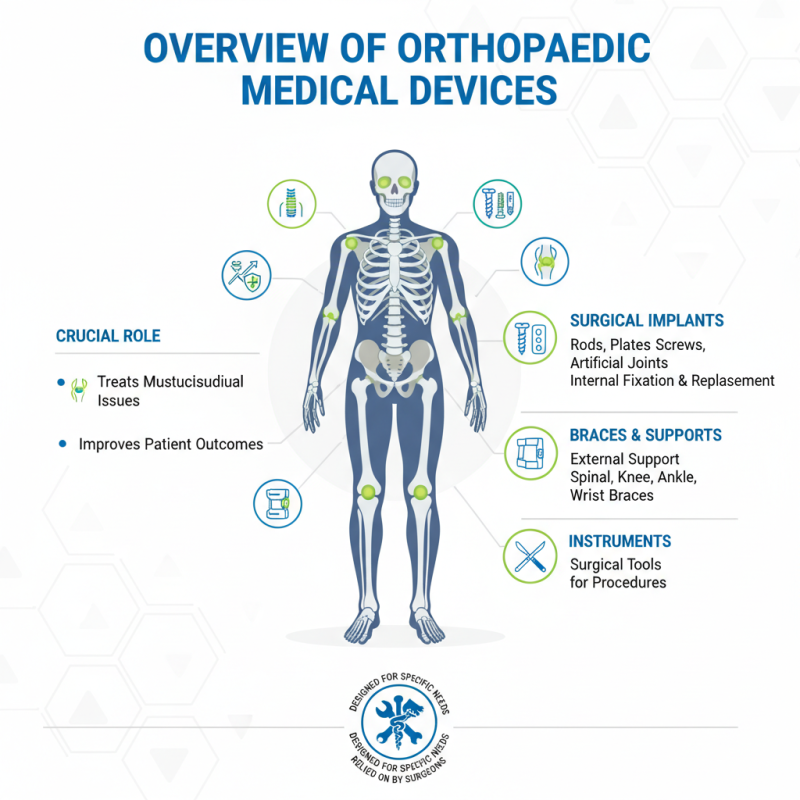
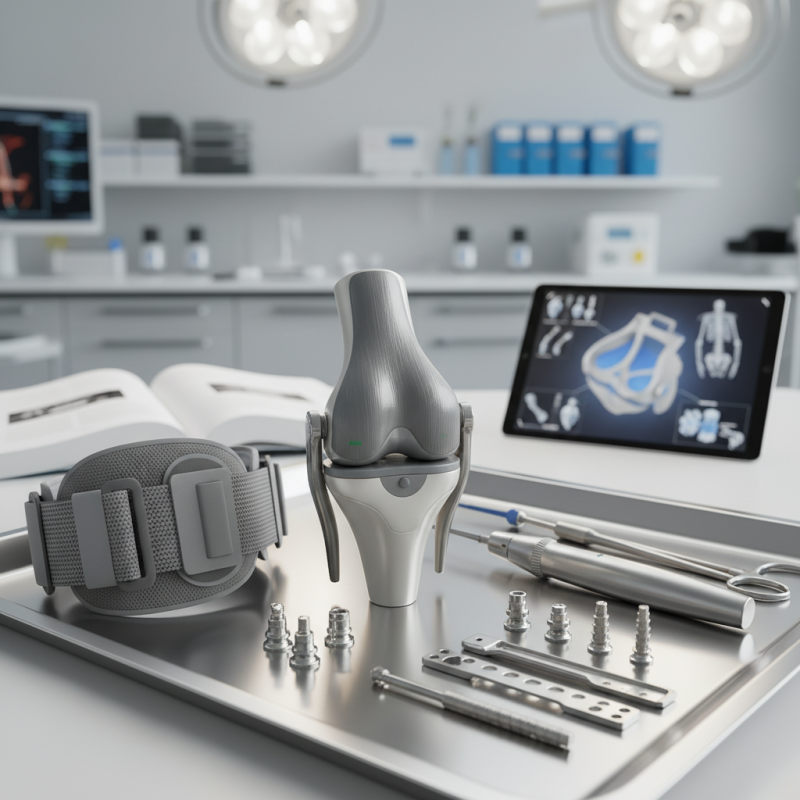
Orthopaedic medical devices play a crucial role in treating musculoskeletal issues. Surgeons and practitioners rely on these tools to improve patient outcomes. Orthopaedic devices can range from surgical implants to braces. Each type is designed to address specific needs.
Surgical implants like screws and plates stabilize fractures. These devices help bones heal properly. However, complications can arise, including infections or rejection by the body. Braces offer support and pain relief for conditions like arthritis. They can aid in mobility but may not work for everyone.
Another important category includes joint replacements. These devices can transform the lives of individuals with severe joint pain. Yet, the lifespan of these implants can be an issue. They may require revision surgery after several years. Understanding these devices is essential for making informed decisions about treatment options. They impact recovery and quality of life in profound ways.
Key Categories of Orthopaedic Devices
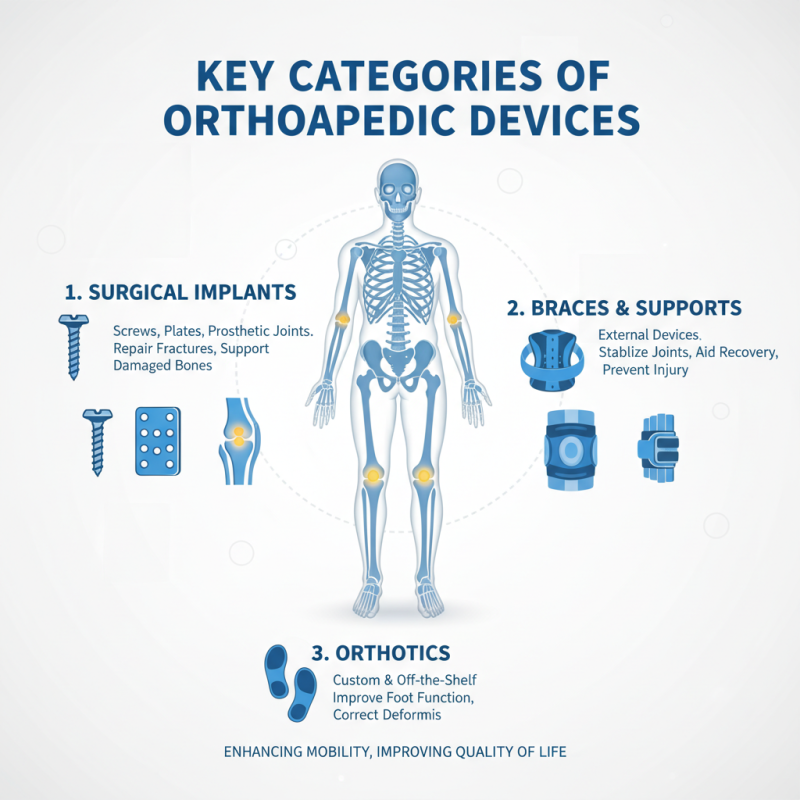
Orthopaedic devices play a crucial role in enhancing mobility and improving quality of life. Understanding key categories can help you appreciate their significance. Surgical implants are a primary category. These devices include screws, plates, and prosthetic joints. They assist in repairing fractures and supporting damaged bones.
Another essential category is orthotic devices. These include braces and splints, which support, align, and improve the function of limbs. They are commonly used in rehabilitation therapy. Keep in mind, though, proper fitting is essential for effectiveness.
Tips: Always consult a healthcare professional before choosing any orthopaedic device. Personal comfort and proper use can greatly influence outcomes. Maintenance of these devices is crucial too; regular inspections can prevent complications. Reflect on your needs to select the appropriate type.
Innovative Technologies in Orthopaedics
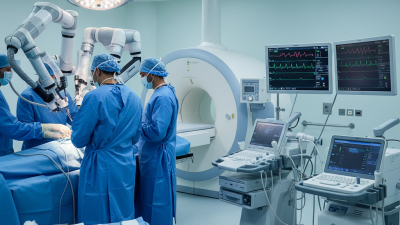
In the realm of orthopaedics, innovative technologies are transforming patient care. New surgical techniques and devices enhance precision and recovery. For example, robotic-assisted surgery allows surgeons to perform complex operations with increased accuracy. This technology minimizes damage to surrounding tissues, leading to quicker healing times.
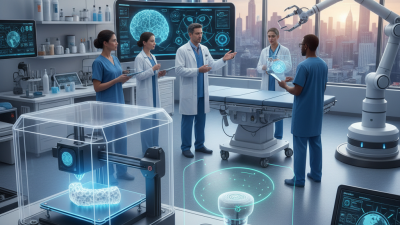
Another notable advancement is 3D printing. This technique enables the creation of personalized implants tailored to individual patients. Such customization can improve fitting and overall function. However, the integration of these technologies presents challenges. Not all facilities have access to the latest equipment or training. This disparity can affect patient outcomes and raise important questions about equity in healthcare.
Telemedicine is also making strides in orthopaedics. It allows for remote consultations and follow-ups, providing convenience. However, it cannot replace hands-on assessments in all cases. Some conditions require in-person evaluations to ensure accurate diagnosis and treatment. Balancing technology and personal interaction remains a critical area of exploration in orthopaedic care.
Top 10 Orthopaedic Medical Devices You Should Know About
This chart illustrates the market growth of various orthopaedic medical devices. Each category represents a significant segment of the orthopaedic industry, with joint replacement devices leading the market. Understanding these trends can help stakeholders make informed decisions in this evolving field.
Top 10 Essential Orthopaedic Devices
Orthopaedic devices play a crucial role in enhancing patient outcomes. The top essential devices in this field include joint replacements, screws, and plates. According to a recent report from Grand View Research, the global orthopaedic device market is expected to reach USD 66.5 billion by 2025, highlighting the growing demand for these innovative solutions.
Screw and plate systems are vital for bone stabilization during healing. These devices are paramount in the treatment of fractures. In 2021, the Global Orthopaedic Trauma Market report indicated that this sector would experience significant growth due to rising incidences of sports-related injuries. The integration of advanced materials in these devices is noteworthy; they improve durability while reducing infection risks.
Tips for practitioners: Regular training on the latest device technologies can enhance surgical outcomes. Familiarity with device capabilities promotes better patient education. Moreover, staying updated with advancements ensures that practitioners apply best practices in their surgeries. Engaging in peer discussions about case studies can aid in identifying device-related challenges. These reflections can lead to improved patient care protocols and increased device reliability over time.
Future Trends in Orthopaedic Device Development
The field of orthopaedic device development is rapidly evolving. Recent reports indicate that the global orthopaedic device market is projected to reach $66.25 billion by 2027, with a compound annual growth rate (CAGR) of 6.1%. This growth is driven by advancements in technology, such as 3D printing and smart implants. These innovations enhance customization and improve patient outcomes.
The focus is also shifting towards minimally invasive procedures. Studies show that these techniques can significantly reduce recovery times. In a survey, 70% of patients reported a preference for less invasive options. However, this shift presents challenges. There is a notable gap in training for surgeons on new technologies. They often feel unprepared for the rapid changes in device capabilities.
In addition to surgical techniques, biocompatible materials are becoming more prominent. They promise greater integration with human tissue. However, not all products meet regulatory standards. The continuous need for rigorous testing remains a pressing concern. Future developments must address these reliability issues to gain trust from the medical community.
Top 10 Orthopaedic Medical Devices You Should Know About
| Device Name |
Type |
Primary Use |
Innovative Feature |
| Smart Knee Implant |
Implant |
Knee replacement |
Real-time data collection |
| Robotic Surgical Assistant |
Surgical Robot |
Minimally invasive surgery |
Precision and control |
| 3D-Printed Orthotics |
Orthotic Device |
Foot and ankle |
Custom fit and lightweight |
| Wearable Gait Analyzers |
Monitoring Device |
Rehabilitation |
Real-time feedback |
| Biodegradable Plates and Screws |
Surgical Fixation |
Bone fracture repair |
Natural absorption |
| Virtual Reality Rehabilitation Tools |
Rehabilitation Device |
Physical therapy |
Engaging treatment environment |
| Magnetic Resonance Imaging (MRI) Guided Navigation |
Imaging System |
Surgical planning |
Enhanced precision |
| Osteoporosis Treatment Devices |
Therapeutic Device |
Bone density improvement |
Non-invasive therapy |
| Circumferential Spinal Fusion Devices |
Spinal Implant |
Spinal stabilisation |
Improved stability |
| Advanced Joint Regeneration Injectables |
Injectable Treatment |
Joint pain relief |
Stimulates cartilage growth |