
Top 10 Professional Medical Devices Revolutionizing Healthcare Today?

In today's rapidly evolving healthcare landscape, professional medical devices play a crucial role in improving patient outcomes. Dr. Maria Lopez, a leading expert in medical technology, states, "The right device can change everything for a patient." This emphasizes the importance of innovation in the medical field.

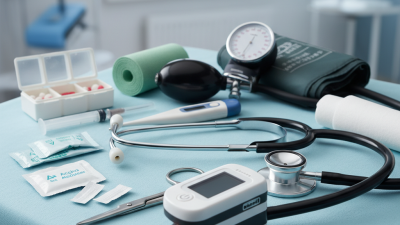
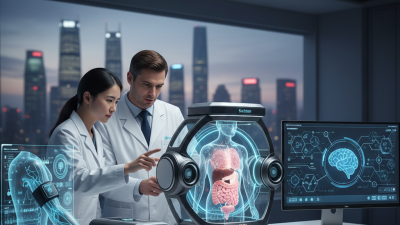
Professional medical devices range from diagnostic tools to therapeutic equipment. Many of these devices have revolutionized how healthcare providers approach treatment. Advanced imaging machines allow for precise diagnoses, contributing to targeted therapies. Wearable technology offers continuous monitoring, giving patients and doctors real-time data.

However, the surge in technological solutions also presents challenges. Not all devices operate seamlessly in every healthcare setting. Some may require extensive training for proper use. This highlights the need for ongoing education for both practitioners and patients. As we explore the top 10 professional medical devices today, we must consider their impact on healthcare delivery and the areas for improvement that still exist.
Top 10 Professional Medical Devices Revolutionizing Healthcare Today?

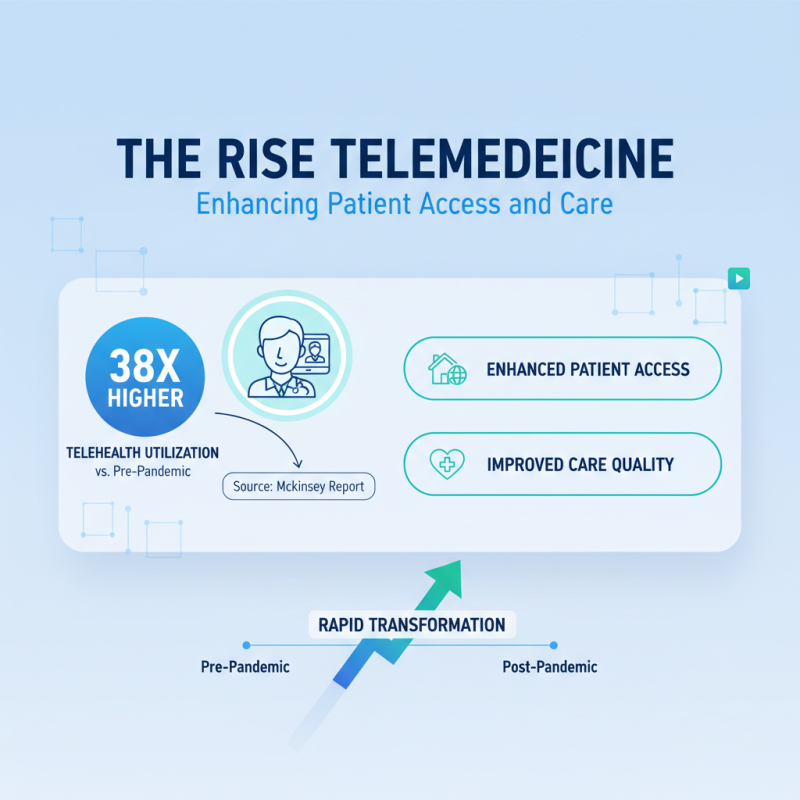
The Rise of Telemedicine: Enhancing Patient Access and Care

Top 10 Professional Medical Devices Revolutionizing Healthcare Today?

Telemedicine has rapidly transformed healthcare delivery, especially during recent global health crises. A significant report by McKinsey indicates that telehealth utilization has stabilized at levels 38 times higher than pre-pandemic rates. This surge highlights its effectiveness in enhancing patient access and improving care quality.

Patients now enjoy greater flexibility in receiving medical consultations. Virtual appointments reduce travel time and enable immediate access to healthcare professionals. However, some challenges remain, such as disparities in technology access. Moreover, hesitance from some medical professionals to fully adopt telemedicine reflects lingering uncertainties surrounding its efficacy in more complex cases.

Tips for better telehealth experiences:
1. Ensure a stable internet connection to avoid disruptions.
2. Prepare a list of questions before your appointment.
3. Familiarize yourself with the telehealth platform to enhance communication.

Telemedicine has its limitations. Some patients may feel less personal interaction during virtual visits. Data show that human connection can deeply influence patient satisfaction. Continuous training for health providers is essential to navigate these challenges effectively. As the industry evolves, further refinement of telemedicine will be necessary to address these gaps.
Wearable Health Technology: Monitoring Vital Signs in Real-Time

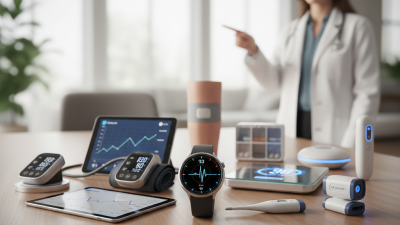
Wearable health technology is transforming how we monitor our vital signs in real-time. These devices empower individuals to keep track of their heart rate, blood pressure, and oxygen levels. Data from a recent report by the Global Market Insights indicates that the wearable healthcare market is expected to surpass $60 billion by 2025. This staggering figure reflects the growing acceptance and demand for personal health monitoring.

One notable benefit of wearable health devices is their ability to alert users to potential health issues before they become critical. For instance, research shows that continuous heart rate monitoring can detect arrhythmias, leading to timely interventions. However, reliance on these devices can lead to overestimating their accuracy. In some cases, users might ignore other significant symptoms, creating a false sense of security. The technology also raises privacy concerns regarding data security. Ensuring that personal health information is safeguarded remains a challenge.

Despite the impressive advancements, wearable technology is not yet foolproof. Users report mixed experiences, like battery life limitations and accuracy variances. Furthermore, the constant monitoring can induce anxiety for some individuals, highlighting the need for a balanced approach to technology use. As the field evolves, ongoing research is necessary to improve reliability and user experience in wearable health technology.

AI-Powered Diagnostic Tools: Reducing Errors and Improving Outcomes

Artificial intelligence (AI) is increasingly shaping the future of healthcare. AI-powered diagnostic tools significantly reduce errors in medical assessments. A report from the Journal of Medical Internet Research shows that AI systems can reach 90% accuracy in detecting conditions such as skin cancer and diabetic retinopathy. This improvement leads to better patient outcomes and optimized treatment plans.

Despite the promising data, these tools still face challenges. AI algorithms depend on high-quality data. Inconsistent or biased data can lead to inaccurate results. A study from Stanford University warns that AI tools might misdiagnose certain cases, highlighting the need for human oversight. Healthcare providers must remain vigilant and ensure that AI complements their expertise, rather than replacing it.

Furthermore, the integration of AI tools requires adequate training for medical professionals. A survey from the American Medical Association finds that 65% of healthcare workers feel unprepared to use these advanced technologies. This gap indicates a necessity for ongoing education and resources. Balancing innovation with proper training will help unleash the full potential of AI in healthcare.

Top 10 Professional Medical Devices Revolutionizing Healthcare Today: AI-Powered Diagnostic Tools

Device Type Primary Function Advantages Current Impact
AI Imaging Systems Enhanced imaging analysis Higher accuracy in diagnostics Reduced diagnostic errors
Predictive Analytics Tools Patient risk assessment Proactive patient care Decreased readmission rates
AI-based Diagnostic Platforms Multi-condition assessment Streamlined workflows Improved patient throughput
Wearable Health Monitors Real-time health data collection Continuous monitoring Empowered patients
Telehealth Platforms Remote diagnostics and consultations Accessibility and convenience Increased patient engagement
Decision Support Systems Clinical decision-making assistance Reduces cognitive load on physicians Enhanced quality of care
Natural Language Processing Tools Patient data analysis and transcription Improved documentation efficiency Better patient records
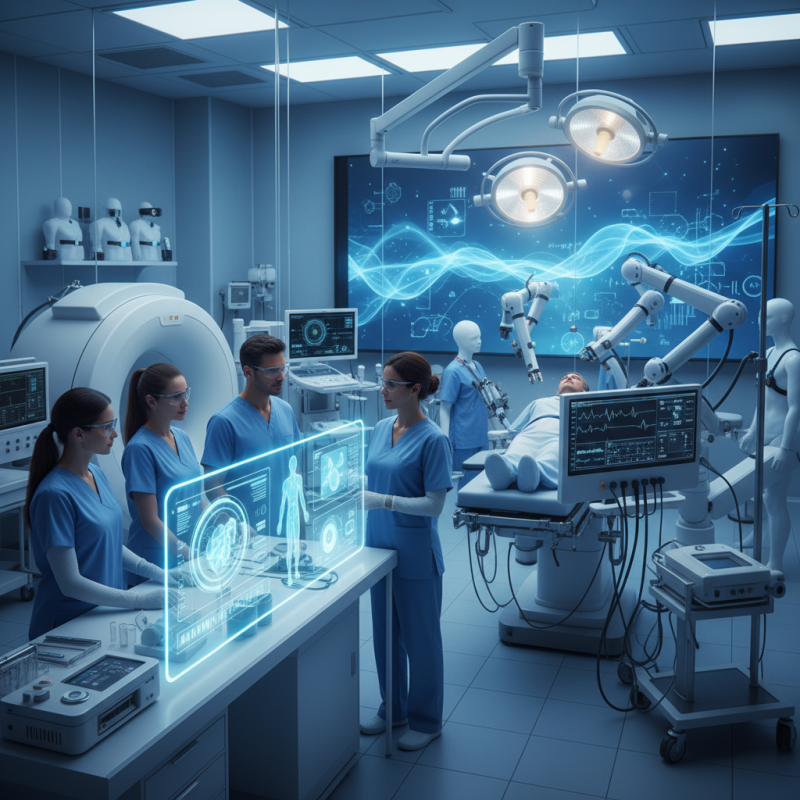
Robotic Surgery Systems Precision surgical procedures Minimally invasive options Faster recovery times
AI-driven Drug Discovery Accelerate drug development Cost and time efficiency Faster treatment innovations
Personalized Medicine Platforms Customized treatment plans Enhanced treatment efficacy Improved patient outcomes

Robotic Surgery Systems: Precision and Minimally Invasive Solutions

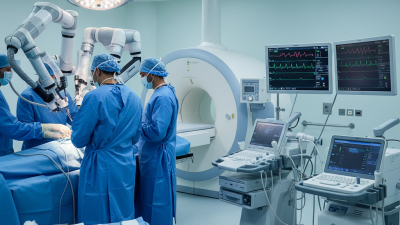
Robotic surgery systems have transformed the landscape of healthcare. By enabling precision and minimally invasive procedures, these devices significantly reduce patient recovery time. Studies indicate that robotic surgeries can lower complication rates by up to 50%. This is a notable advancement in surgical technology that enhances patient safety and outcomes.

Many medical professionals emphasize the importance of training for robotic surgery. Surgeons require extensive practice to master these systems. A report from the American College of Surgeons highlights that effective training can improve surgical efficiency and patient satisfaction. Robotic systems provide enhanced visualization of the surgical field, which is vital for complex operations.

Tips: Always seek hospitals with accredited robotic surgery programs. Patient safety should be a top priority. Keep in mind that while robotic systems are advanced, not every surgery may be suitable for this approach. Discussions with healthcare providers are crucial for determining the right method tailored to individual needs.

3D Printing in Healthcare: Custom Prosthetics and Organ Models

3D printing has emerged as a game-changer in the healthcare sector. It offers the ability to create custom prosthetics tailored to individual needs. Patients can receive prosthetics that fit their unique body shapes. Traditional methods are often time-consuming and expensive. In contrast, 3D printing reduces costs and speeds up production.


Another exciting application is in organ modeling. Surgeons can use 3D printed organ models to practice complex procedures. This leads to better preparation and fewer errors in the operating room. However, there are limitations. The technology is still evolving, and not all materials used are compatible with human chemistry. This raises questions about safety and efficacy.


The accessibility of 3D printing is impressive, yet there are challenges in regulation and standardization. Ensuring that printed devices meet medical standards is critical. As the field grows, continuous evaluation is essential. Striking a balance between innovation and safety will shape the future of healthcare.