China Top Orthopaedic Medical Devices for Global Buyers?
As the global demand for orthopaedic medical devices continues to rise, China's market has emerged as a pivotal player. In 2022, the global orthopaedic medical devices market was valued at approximately $53 billion and is projected to reach $75 billion by 2028, according to industry reports. This rapid growth reflects an aging population and a surge in sports-related injuries. Consequently, Chinese manufacturers are focusing on innovation and quality to meet international standards.
China has become a hub for producing orthopaedic medical devices, ranging from implants to surgical instruments. Companies like Sinomax and Lepu Medical are gaining attention for their advanced technology and cost-effectiveness. However, challenges remain, particularly in navigating regulatory landscapes and ensuring product reliability. Some devices have faced scrutiny due to inconsistent quality reports, reminding us of the need for diligence in procurement processes.
In this competitive global market, buyers must prioritize quality and compliance over mere cost advantages. While China's offerings present great potential, the quest for excellence in orthopaedic medical devices requires continuous improvement and commitment from manufacturers.
China's Growing Influence in the Global Orthopaedic Medical Device Market
China's presence in the global orthopaedic medical device market is rapidly expanding. With advancements in technology and innovation, Chinese manufacturers are gaining recognition for their quality. These devices cater to various needs, including joint replacements and surgical instruments. As global demand rises, China is stepping up to compete with established players.
It's essential for buyers to consider the quality and efficiency of medical devices from China. Understanding compliance with international standards is key. Researching suppliers well can help identify reputable ones. Checking user reviews and seeking certifications can also guide purchasing decisions.
Chinese manufacturers are investing heavily in research and development. This focus allows for better products that meet diverse global needs. Nonetheless, potential buyers might find inconsistencies in product quality. Some companies are still adapting to international demands. Being cautious and making informed choices is crucial.
Key Orthopaedic Medical Devices Manufactured in China
China has become a significant player in the global orthopaedic medical devices market. In 2021, the global market size for orthopaedic devices was valued at approximately USD 47 billion. The share of Chinese manufacturers has expanded due to advancements in technology and production capabilities. Many products are now competing on the international stage, providing cost-effective solutions for hospitals and clinics.
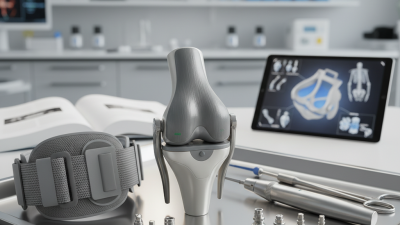
Key devices produced in China include joint implants, spinal devices, and trauma fixation systems. For instance, the production of total knee and hip replacements has seen a growth rate exceeding 10% annually. Chinese manufacturers are increasingly adopting advanced materials like titanium and biomaterials, enhancing the durability and performance of these implants. Interestingly, while the price of these devices is often lower, they have passed rigorous international quality standards, marking a shift in perception.
Yet, challenges remain. The quality control processes can sometimes be inconsistent, leading to concerns about product reliability. Moreover, the rapid pace of innovation means that not all companies keep up with the latest technologies. This leaves gaps that could potentially hinder market expansion. As the industry evolves, addressing these concerns will be crucial for maintaining competitiveness in the global market.
China Top Orthopaedic Medical Devices for Global Buyers
| Device Type |
Description |
Key Features |
Market Application |
Avg. Price ($) |
| Orthopaedic Implant |
Used for bone fixation in trauma and joint reconstruction. |
Biocompatible material, customizable sizes, and shapes. |
Trauma, Orthopaedic Surgery |
500 - 2,000 |
| Surgical Instruments |
Specialized tools for performing surgical procedures. |
Ergonomic design, precision manufacturing, and sterilization-ready. |
Orthopaedic Surgery |
100 - 500 |
| Joint Reconstruction Devices |
Devices designed to restore the function of joints. |
Durable, high load-bearing capacity. |
Knee, Hip, Shoulder Surgery |
2,000 - 10,000 |
| Rehabilitation Equipment |
Used to aid recovery from injuries or surgeries. |
Adjustable settings, user-friendly interfaces. |
Physical Therapy, Rehabilitation Centers |
300 - 1,500 |
| Diagnostic Devices |
Equipment for diagnosing musculoskeletal disorders. |
High accuracy, real-time analysis. |
Hospitals, Clinics |
2,000 - 15,000 |
Innovations in China's Orthopaedic Medical Technology
China has rapidly advanced in orthopaedic medical technology. This evolution reflects significant investment in research and development. Innovative techniques and devices are emerging at an impressive rate. New materials enhance the durability and functionality of implants. Improved surgical instruments facilitate less invasive procedures. These advancements lead to quicker recovery times and better patient outcomes.
The collaboration between research institutions and hospitals is crucial. This partnership fosters an environment of innovation. However, some challenges remain. Regulatory processes can be slow, complicating the introduction of new devices. Moreover, there is a need for better training of healthcare professionals on these innovations. Education ensures that new technologies are used effectively.
China's focus on custom solutions is noteworthy. Personalized implants tailored to individual patients are increasingly common. This shift towards customization can improve surgical accuracy and patient satisfaction. Yet, ongoing assessment of these innovations is essential. Continuous feedback helps refine the technology and improve safety standards. Global buyers should remain vigilant and informed about these trends.
Export Trends of Chinese Orthopaedic Medical Devices to Global Markets
China has established itself as a significant player in the global orthopaedic medical device market. With advancements in technology and manufacturing, Chinese devices have become increasingly sought after. Export trends indicate a growing demand for orthopaedic solutions worldwide. Countries in Europe and North America are showing particular interest in innovative products from China.
When considering imports, buyers should assess the quality and compliance of devices with international standards. It is important to understand the variety of devices available. From surgical instruments to implants, each item must meet specific regulatory requirements. Buyers should ask suppliers for certifications that validate these standards.
Navigating this market can be challenging. Cultural differences and varying regulations complicate transactions. Open communication with manufacturers is essential for building trust. Researching potential suppliers thoroughly helps in making informed decisions. Understanding logistics and distribution channels in the target market is also crucial for a smooth operation.
Challenges Faced by Chinese Orthopaedic Device Manufacturers in International Trade
Chinese orthopaedic device manufacturers are striving to establish a strong presence in the global market. However, numerous challenges impede their growth and success. One primary hurdle is navigating complex international regulations. These regulations vary significantly between countries and can be difficult to understand. Compliance can be costly and time-consuming.
Language barriers also pose significant challenges for Chinese manufacturers. Effective communication is essential in international trade. Misunderstandings can lead to costly errors or damaged relationships. Building a reliable network of local partners in target markets can help overcome this issue.
High competition is another concern. Many global players dominate the orthopaedic device market. Chinese manufacturers must differentiate their products effectively. Offering innovative designs or superior quality can help in this crowded space. Manufacturers should continuously seek feedback to improve their offerings.
Tips for success include investing in regulatory expertise and fostering partnerships in target markets. Cultivating a thorough understanding of consumer needs can enhance product development. Prioritizing quality and innovation will support long-term growth amidst fierce competition.