Top 10 Orthopaedic Devices Buyers Must Know in 2026?
As we approach 2026, the landscape of orthopaedic devices is evolving rapidly. Innovation in technology is reshaping how we treat musculoskeletal issues. Doctors and patients alike must stay informed about these changes. The right orthopaedic devices can significantly enhance recovery times and overall outcomes.
Understanding the market helps buyers make informed decisions. Each device comes with its own features and benefits. Potential buyers should consider factors like durability, patient comfort, and ease of use. There’s always room for improvement in design and functionality. Furthermore, ethical considerations around the manufacturing process cannot be overlooked.
As we navigate these advancements, it’s vital to remain aware of varying quality standards and clinical evidence. Not all products deliver the same results. There may be discrepancies in performance across brands. By carefully researching and considering various options, buyers can select the best orthopaedic devices for their needs.

Key Trends in Orthopaedic Device Innovations for 2026
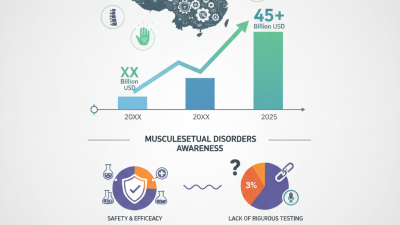
In 2026, the orthopaedic device industry will witness significant innovations driven by advancing technology and changing patient needs. Recent reports indicate that the global orthopaedic device market is projected to grow at a CAGR of over 5% from 2023 to 2026, reaching approximately $56 billion. This growth will be fueled by an increasing elderly population and rising incidence of osteoarthritis.
A key trend is the integration of smart technology in orthopaedic devices. Wearable sensors and smart implants will monitor patient activity and recovery in real-time, enhancing rehabilitation efforts. Moreover, companies are investing in 3D printing technology to produce customized orthopedic implants. This can potentially reduce surgery time and improve patient outcomes, although the reliability of these technologies still requires thorough validation.
Sustainability is another focal point. Manufacturers are exploring eco-friendly materials for implants, aligning with the growing emphasis on environmental responsibility. However, challenges remain in balancing innovation with safety, as new materials often require rigorous testing. The quest for efficiency and effectiveness continues to shape the device landscape, pushing buyers to stay informed about emerging trends.
Emerging Technologies Shaping Orthopaedic Devices Market
The orthopaedic devices market is on the brink of transformation. Emerging technologies are playing a vital role in shaping the future of this industry. Innovations like 3D printing are now allowing for tailored implants and prosthetics. This personalization leads to better outcomes for patients. Additionally, robotic-assisted surgery is becoming commonplace. These systems enhance precision and minimize recovery times.
Tips: Stay informed about new developments in materials and designs. Knowledge helps in making educated choices when purchasing devices. Investing in education and training for staff can also increase efficiency in using advanced technologies.
Wearable health tech is also gaining traction. Devices that monitor joint health and mobility are crucial for preventative care. These tools provide real-time data, allowing for timely interventions. As the industry evolves, understanding these technologies will be important.
Tips: Engage with experts in the field. Their insights can guide you in navigating these advancements. Consider attending industry conferences to learn about emerging trends firsthand. It's important to remain adaptable in a fast-changing landscape.
Top 10 Orthopaedic Devices Market Trends in 2026
Top 10 Must-Have Orthopaedic Devices for Healthcare Providers
As we look toward 2026, healthcare providers must stay ahead in the field of orthopaedics. The industry is projected to grow significantly, driven by an aging population and increasing surgical procedures. According to a recent market analysis, the orthopaedic device market is anticipated to reach $68 billion by 2026.
Key devices include joint replacement implants, which are critical in arthroplasty. Providers should monitor the advancements in materials, like bio-compatible polymers, which enhance implant longevity. Furthermore, the rise of minimally invasive surgical techniques requires innovative tools that reduce recovery time. Emphasizing patient education on these procedures is crucial for informed choices.
Tip: Investing in training for new technologies is essential. Staff should be comfortable using advanced equipment to maximize patient safety and care quality.
Another important category is orthopedic surgical robots. These systems improve precision and outcomes. Reports indicate facilities using robotic-assisted surgeries see a 20-30% reduction in complications. Staying current with these technologies can set providers apart.
Tip: Regularly review procedural data to identify improvement areas. This can lead to better processes and enhanced patient experiences.
Adopting these devices isn't straightforward. Budget constraints and the need for staff education can be challenging. Providers must carefully assess their readiness for integrating new technologies.
Market Leaders in Orthopaedic Devices: A 2026 Overview
The orthopaedic device market is buzzing with innovation. In 2026, advancements in joint replacements and spinal devices stand out. Surgeons and patients alike demand improved durability and functionality. Many focus on minimally invasive techniques, which reduce recovery time significantly. However, ongoing challenges remain. Not all devices meet the desired longevity in various patients.
The role of AI and robotics in surgery is growing. These technologies enhance precision and outcomes. Data from these systems helps refine existing devices. Yet, the integration of such technology can be daunting. Training is essential, and not all practitioners may be on board. Understanding the benefits and limitations of these devices is crucial for buyers. Each decision impacts patient health directly.
As we look towards 2026, education around orthopaedic devices becomes more vital. Healthcare professionals must stay informed about new developments. Having robust discussions about device performance can influence procurement. Transparency in device effectiveness is still a pressing issue that needs attention. Both manufacturers and buyers share responsibility in this evolving landscape.
Regulatory Considerations for Orthopaedic Device Buyers in 2026
In 2026, regulatory considerations for orthopaedic devices will be essential for buyers. The landscape is rapidly evolving, and staying informed is crucial. Understanding the compliance requirements can significantly influence purchasing decisions. Buyers must ensure that their selected devices meet the latest safety and efficacy standards imposed by regulatory bodies.
Tip: Regularly check updates from relevant regulatory authorities. This can help avoid costly delays in device approval or market entry. Collaboration with healthcare professionals can also provide insights into device usability and safety.
Device innovations may introduce unforeseen challenges. Not every new product will meet user expectations. Buyers should gather feedback from end-users and conduct thorough research. This ensures that devices chosen are not only compliant but also viable in real-world scenarios.
Tip: Consider pilot testing devices before full-scale purchases. This can unveil potential issues early on. A proactive approach can mitigate risks associated with new technologies.
Navigating the regulatory landscape requires diligence. Buyers should be prepared to adapt to changes. A well-structured strategy can streamline the purchasing process significantly.