China Top 10 Paediatric Medical Device Manufacturers
China’s paediatric medical device sector is gaining attention from hospitals, investors, and global procurement teams. Its growth reflects rising demand for safer neonatal monitors, infusion systems, respiratory equipment, and child-sized surgical tools. Grand View Research estimates that the global pediatric medical devices market will continue expanding through 2030, supported by higher birth-care investment and improved pediatric diagnosis. MarketsandMarkets also identifies monitoring, drug delivery, and pediatric surgery as important growth areas.
However, market size alone does not prove clinical value. A device must fit a small hand, a fragile airway, or a premature infant’s skin. The details matter. According to the World Health Organization, nearly 2.3 million newborns died in 2022, with many deaths linked to preventable or treatable conditions. This figure underlines the need for reliable neonatal equipment, especially in regional hospitals.
“Children are not small adults,” is a widely cited clinical principle associated with neonatologist Dr. Steven M. Donn. It captures a central challenge in paediatric medical design. Children require different sensors, dosing controls, materials, and safety testing. China’s leading manufacturers are responding through domestic research, hospital partnerships, and broader quality-management systems. Yet the picture is not perfect. Publicly available comparisons often mix certified products with marketing claims. Independent clinical evidence can also be uneven.
This ranking examines China’s top 10 paediatric medical device manufacturers through product focus, technical capability, certifications, hospital use, and international reach. It also considers practical weaknesses, because transparency matters more than impressive catalogues.
Paediatric Medical Device Manufacturing in China: Scope and Definition
Paediatric medical device manufacturing in China covers more than assembly. It includes clinical design, material selection, prototyping, validation, production, packaging, and after-sales support. The scope includes devices for newborns, infants, children, and adolescents. These users differ in body size, skin sensitivity, movement, and communication ability. A paediatric device is not simply a smaller adult device.
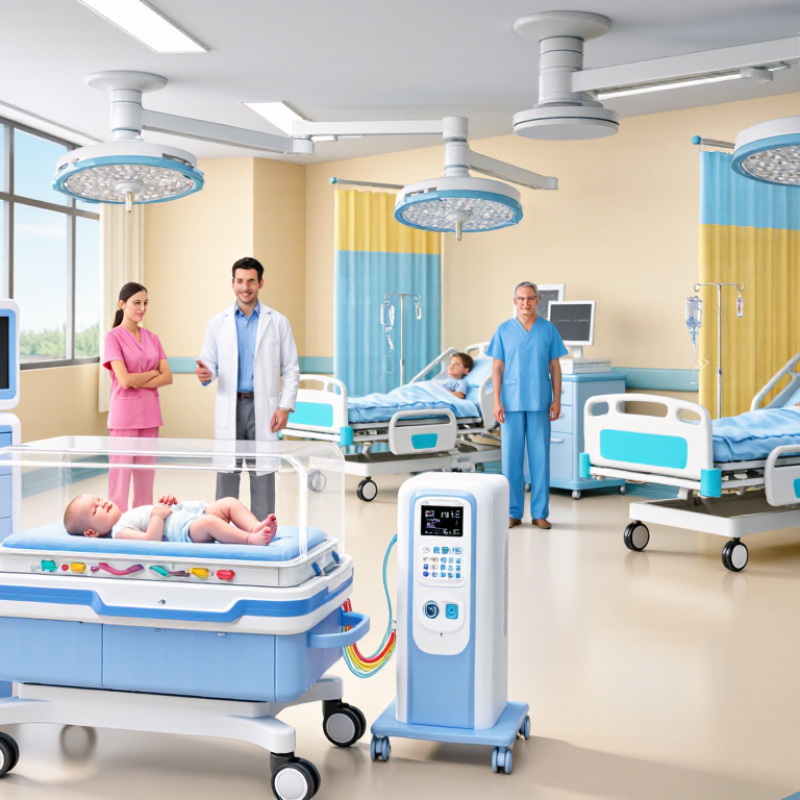
Relevant products may include neonatal incubators, phototherapy systems, respiratory equipment, patient monitors, infusion devices, rehabilitation tools, and paediatric diagnostic instruments. Manufacturers should control small components, soft contact materials, alarm volume, measurement accuracy, and cleaning methods. A two-millimetre error can affect fit. A confusing alarm can delay care.
For a credible China top ten assessment, ranking should consider audited quality systems, design-control records, clinical risk evaluation, production capacity, registration experience, and export documentation. ISO 13485, ISO 14971, IEC 60601, and applicable biocompatibility requirements may support this review. However, certificates alone prove limited capability. Factory visits can reveal calibration habits, operator training, traceability, and sterile-packaging controls. Details matter. No manufacturer is flawless. Documentation may appear complete while usability testing remains weak. Buyers should request age-specific evidence, post-market feedback, and clear corrective-action records before making a decision.
China Top 10 Paediatric Medical Device Manufacturers
Paediatric Medical Device Manufacturing in China: Scope and Definition
Annual live births provide a demographic demand indicator for paediatric medical devices, including neonatal care, respiratory support, monitoring, diagnostic equipment, and child-focused treatment devices. The data are reported in millions of live births.
Source: National Bureau of Statistics of China, annual statistical communiqués, 2015–2024.
Criteria for Selecting the Top Ten Chinese Manufacturers
China Top 10 Paediatric Medical Device Manufacturers
Criteria for Selecting the Top Ten Chinese Manufacturers
Selecting leading Chinese paediatric medical device manufacturers requires more than comparing product catalogues. The review should begin with documented experience in children’s healthcare, including neonatal, respiratory, monitoring, and rehabilitation applications. Evidence matters. Audited production records, qualified engineers, and clear clinical feedback can reveal whether a manufacturer understands small patients’ safety needs.
Regulatory capability is a core criterion. A reliable manufacturer should maintain an effective ISO 13485 quality system and provide relevant Chinese and international registration documents. Inspectors should examine risk management, biocompatibility testing, software validation, and device traceability. Ask for batch records. They show discipline.
Product design deserves close attention. Paediatric devices should fit smaller bodies, reduce noise, use clear alarms, and support gentle handling. Practical testing in hospitals can expose problems that laboratory data misses. Check calibration procedures, packaging strength, sterilisation controls, and spare-part availability. Response time for service also matters, especially when equipment supports intensive care.
No scorecard is perfect. A factory may present impressive certificates yet offer weak training after delivery. Another may have excellent engineers but inconsistent production capacity. My selection would therefore combine factory audits, sample testing, customer references, complaint records, and financial stability. I would also review how openly the manufacturer reports failures. That detail is easy to overlook. It should not be.
Profiles of China’s Top Ten Paediatric Medical Device Manufacturers
China Top 10 Paediatric Medical Device Manufacturers
Profiles of China’s Top Ten Paediatric Medical Device Manufacturers
China’s leading paediatric device manufacturers serve different clinical needs. One focuses on neonatal incubators with stable temperature control. Another develops phototherapy systems for newborn jaundice. A third supplies compact patient monitors for children with small bodies. Other specialists produce infusion pumps, respiratory support devices, ultrasound systems, surgical instruments, rehabilitation equipment, dental units, and emergency transport devices. These profiles show a diverse manufacturing base rather than one uniform market.
Reliable manufacturers usually combine engineering experience with hospital feedback. Their teams test alarm sounds, screen visibility, cable placement, and cleaning procedures in real clinical settings. Pediatric devices must be gentle, adjustable, and easy to operate during stressful moments. Many established factories maintain ISO 13485 quality systems and complete applicable regulatory evaluations before market entry. However, certification alone cannot prove practical value. A device may pass technical testing yet feel awkward beside a crowded incubator. Public information also differs between manufacturers, making direct ranking difficult. That is an important weakness in any “top ten” list. Buyers should review clinical evidence, maintenance response, training materials, and supply continuity. Small details matter. A quiet alarm can protect sleep. A readable display can prevent dosing errors. The strongest manufacturers keep improving after launch, because children’s needs rarely fit adult equipment.
Key Product Categories and Technologies for Child Healthcare
China Top 10 Paediatric Medical Device Manufacturers
China’s paediatric device sector spans neonatal incubators, phototherapy systems, ventilators, infusion pumps, monitors, imaging equipment, and rehabilitation tools. The need is substantial. WHO’s Born Too Soon report estimates that 13.4 million babies were born preterm in 2020. Nearly one million deaths were linked to related complications. These figures make thermal control, respiratory support, and accurate monitoring clinical priorities.
Key technologies include non-invasive ventilation, low-dose imaging, wearable oxygen sensors, and smart alarms. Neonatal monitors must detect changes in oxygen saturation, heart rate, and skin temperature. Child-sized interfaces also matter. Small cuffs, soft probes, and quieter pumps can improve comfort and measurement quality. UNICEF and UN IGME reported 2.3 million neonatal deaths worldwide in 2022. This pressure increases demand for dependable equipment in maternity and intensive-care wards.
Strong manufacturers usually combine clinical testing, traceable quality systems, and responsive service. Digital platforms may support remote review, but connectivity can fail in rural hospitals. A clever algorithm is not enough. Staff still need clear instructions and practical training. The field is not flawless. Paediatric validation data remain uneven across product categories. Buyers should examine age-specific evidence, alarm performance, maintenance records, and feedback from nurses and families. WHO, UNICEF, and national health reports offer useful context, but local clinical verification remains essential.