Top 10 Professional Medical Devices from China for Global Buyers?
China's surge in the production of professional medical devices has captured global attention. According to a recent market analysis by IBISWorld, the Chinese medical device market is valued at over $80 billion and is expected to grow by 15% annually. This rapid growth is driven by technological advancements and significant investment in research and development.
The global demand for high-quality professional medical devices is at an all-time high. As healthcare becomes increasingly digitalized, hospitals and clinics seek innovative solutions. Devices like advanced imaging systems and patient monitoring equipment are vital to improving patient outcomes. Chinese manufacturers are becoming key players, providing a wide array of products that meet international standards. However, this booming sector faces challenges, including quality control and regulation compliance.
While China's medical device industry shows promise, not all products meet the highest standards. Buyers should conduct thorough research and consider certifications. Each device's reliability can vary, demanding careful assessment. Ultimately, this burgeoning market presents both opportunities and potential pitfalls for global buyers.

Overview of China's Medical Device Industry
China's medical device industry has seen rapid growth in recent years. The country is now a significant player in the global market. Many factors contribute to this expansion. Innovative technologies, a skilled workforce, and strong government support enhance the industry's capabilities.
Manufacturers focus on producing a diverse range of devices, from diagnostic tools to therapeutic equipment. The emphasis on research and development drives innovation. However, the industry faces challenges, including quality control and regulatory compliance. These issues highlight the need for improvement.
The global demand for medical devices continues to rise. China's ability to meet this demand is crucial. Buyers should consider both the potential and the pitfalls in this market. A thorough understanding of the landscape can lead to better decisions. Navigating the complexities requires expertise and careful evaluation.
Key Factors Driving Global Demand for Chinese Medical Devices
Global demand for medical devices from China is on the rise. Several factors contribute to this trend. First, the competitive pricing of Chinese medical devices attracts buyers. These devices often provide high-quality alternatives at a fraction of the cost of Western products. This pricing strategy enables healthcare facilities to maximize their budgets.
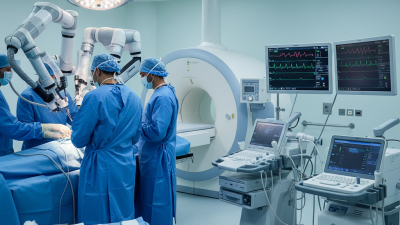
Additionally, innovation in Chinese medical technology plays a significant role. Research and development have advanced rapidly. Manufacturers now offer cutting-edge solutions that cater to a variety of medical fields. From diagnostic imaging to surgical instruments, Chinese devices are becoming more sophisticated and reliable.
However, challenges remain. Quality control is a concern for some buyers. Ensuring consistency and compliance with international standards can be tricky. As Chinese manufacturers expand globally, they must focus on building trust. Transparency and communication will be essential in overcoming skepticism. Reliability will drive future success in this competitive market.
Top Categories of Medical Devices Exported by China
China has become one of the leading exporters of medical devices globally. The market is growing rapidly, driven by advancements in manufacturing and technology. According to a report by IQVIA, China’s medical device market is projected to reach over $100 billion by 2025. Key categories exported include diagnostic equipment, surgical instruments, and healthcare IT solutions. The increasing demand for advanced medical technology has facilitated this growth.
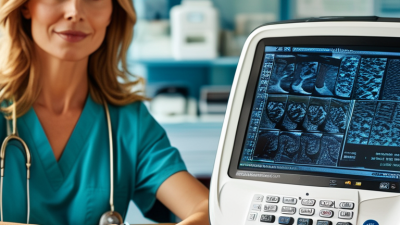
Current statistics indicate that diagnostic imaging devices, such as ultrasound machines and X-ray units, hold a significant share of the export market. Surgical instruments also rank among the top categories, contributing extensively to China’s global footprint. Nonetheless, challenges remain. Manufacturers must ensure compliance with international quality standards, which can sometimes lead to gaps in consistency. This highlights the need for continuous improvement in quality assurance and operational practices.
Innovation is essential. Buyers looking for reliable devices must consider manufacturers' track records. The importance of regulatory certifications cannot be overstated. Many companies still find it challenging to adhere to international certification requirements. It’s crucial that buyers scrutinize the due diligence of suppliers. Paying attention to product reviews and compliance history can prevent potential pitfalls.
Top 10 Professional Medical Devices from China for Global Buyers
Leading Chinese Manufacturers and Their Notable Products
China has emerged as a vital player in the global medical device market. Several manufacturers stand out, offering innovative solutions across various categories. From diagnostic tools to surgical instruments, their products reflect both quality and cost-effectiveness. For instance, advanced imaging equipment has gained attention for its accuracy. It's designed to meet international standards while remaining affordable.
Consider how each device aligns with local regulations. Understanding compliance can be challenging. It's essential to spend time researching the necessary certifications before purchasing. Buyers should evaluate the manufacturer's track record in quality assurance. This prevents potential issues and builds trust.
Networking with professionals who have experience buying these devices can be beneficial. Their insights can guide selection and reduce risks. Buyers may also explore partnerships with local distributors. This approach provides better access to support and service after the sale. Enhancing knowledge about the market landscape can significantly impact purchasing decisions.
Regulatory Standards and Compliance for Global Market Entry
When considering entry into the global market, understanding regulatory standards is crucial. Compliance with international regulations can be daunting but is necessary for success. Medical devices from China face stringent scrutiny. Quality control, documentation, and safety protocols must align with respective regulations in target countries.
Adhering to standards set by regulatory agencies enhances credibility. For instance, manufacturers should familiarize themselves with ISO certifications and CE marking requirements. These certifications showcase a commitment to quality and safety. However, companies often struggle with navigating complex regulatory pathways. Misinterpretation of guidelines can lead to product delays or rejections.
China's medical device industry is evolving rapidly. While innovation is high, ensuring compliance remains a challenge. Manufacturers must prioritize regulatory education and engage with experts for navigational support. Continuous reflection on compliance processes can prevent costly mistakes. Moreover, a proactive approach can foster sustainable growth in global markets.