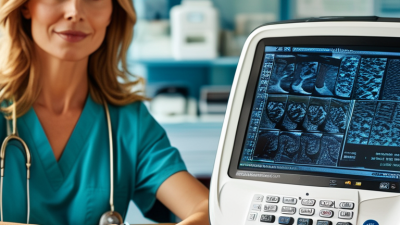
How to Choose the Best Clinical Devices for Your Needs?
Selecting the best clinical devices for your healthcare needs requires careful consideration. Clinical devices come in various forms, each tailored to specific functions and patient needs. These devices can range from simple tools to complex machines, all essential for improving patient care.
Understanding your unique requirements is crucial. Consider the type of clinical environment where the devices will be used. For instance, outpatient clinics may need portable devices, while hospitals might require more extensive, specialized equipment. Researching various options helps you discover the right fit for your practice.
It’s important to evaluate the reliability and ease of use of each device. Not all clinical devices perform equally, and some may not meet your expectations. Reading reviews and consulting with peers can provide valuable insights. Don't rush the decision—consider how the chosen device aligns with your overall patient care goals.
Understanding Your Clinical Requirements and Goals
Choosing the right clinical devices demands a deep understanding of your specific needs and goals. Assess your clinical environment and the conditions you plan to manage. Analyze the patient demographics and any unique requirements. Gathering this information is crucial for making informed choices.
Consider the functionalities you truly require. Are you looking for diagnostic accuracy, ease of use, or portability? Each device has its strengths. It’s vital to align these features with your clinical objectives. Evaluate user feedback, if available; real-world experiences can reveal both advantages and limitations.
Stay open-minded about your selections. You may discover devices that do not meet your initial expectations. Regularly review their performance and assess if they still fulfill your needs. Embrace the idea that continuous learning and adaptation are part of the clinical process. Reflecting on your choices can lead to better outcomes in the long run.
Evaluating Different Types of Clinical Devices Available
Choosing the right clinical devices requires careful evaluation of the options available. There are various types, each designed for specific functions. For instance, diagnostic devices, therapeutic devices, and monitoring equipment serve different purposes. According to a 2022 report by the Global Healthcare Products Market, the demand for telehealth devices surged by 28% due to the pandemic, indicating a shift in preference among healthcare providers.
Understanding the types of devices is crucial. Diagnostic devices, such as ultrasound machines, help in identifying conditions early. In contrast, therapeutic devices, like infusion pumps, play a key role in patient treatment. The market analysis suggests a significant increase in the use of portable monitoring devices. A staggering 70% of clinicians report they prefer equipment that offers mobility and ease of use.
However, not all devices perform equally. Some may lack advanced features or robustness. In a survey conducted by the Clinical Device Association, it was reported that 40% of users felt dissatisfied with their current devices due to technological limitations. This highlights the importance of thorough research and understanding one’s specific needs before making a purchase. Evaluating functionality, user experience, and long-term sustainability can lead to better outcomes in clinical settings.
Assessing Quality and Reliability of Clinical Device Brands
When selecting clinical devices, evaluating quality and reliability is crucial. According to industry reports, nearly 70% of healthcare professionals prioritize reliability in devices. This statistic underscores the importance of choosing devices that consistently perform well. High-quality clinical devices reduce the risk of complications and improve patient outcomes.
Reliability can be assessed through user feedback and warranty offerings. A recent survey indicated that 58% of users experienced a device failure at least once in a year. These incidents can lead to significant disruptions in clinical settings. Understanding the brand's reputation and history is vital. Look for manufacturers with a proven track record in producing durable and effective devices.
Moreover, certifications and compliance with regulatory standards are essential indicators of quality. Research shows that devices meeting stringent regulatory requirements often have lower malfunction rates. However, not all brands maintain transparency about their testing processes. This lack of clarity can be a red flag. Comprehensive research and reviews from verified sources enhance decision-making in device selection. Prioritizing quality and reliability is not just about compliance; it ultimately supports better healthcare delivery.
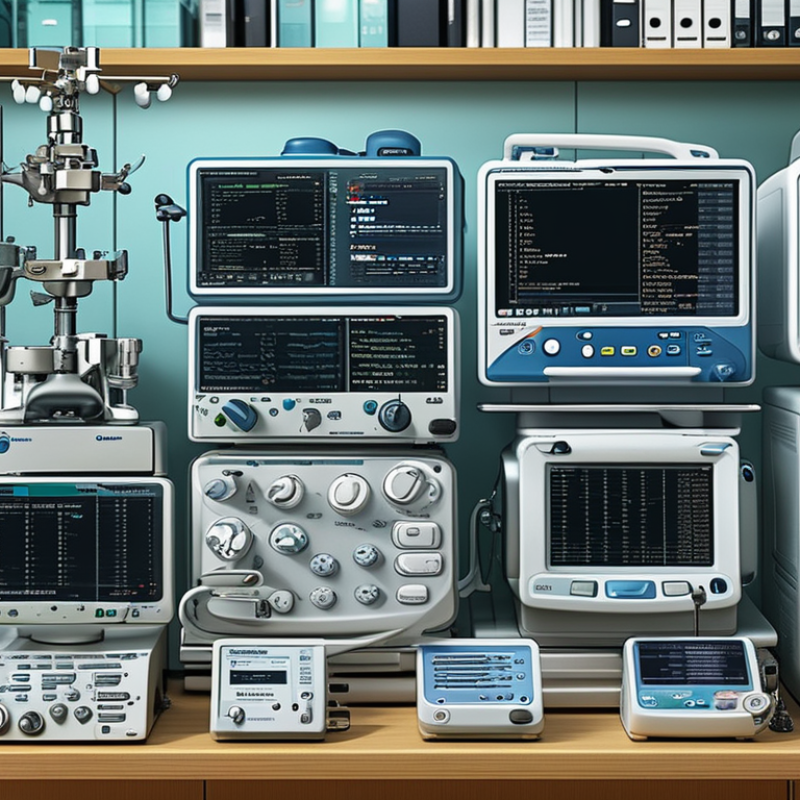
Assessment of Clinical Device Quality and Reliability
Considering Budget Constraints and Cost-Effectiveness
Choosing the right clinical devices often hinges on budget constraints and overall cost-effectiveness. Many healthcare providers face budget limits. It's essential to evaluate the total cost of ownership, not just the initial purchase price. This includes maintenance, training, and potential updates over time. A device that seems affordable upfront might incur higher expenses later.
Cost-effectiveness can also depend on how the device improves patient outcomes. Devices that enhance diagnostic accuracy or treatment efficiency may justify their costs. However, the effectiveness of these devices should be backed by clinical evidence. Look for studies or data that demonstrate their success in real-world scenarios.
Reflect on purchasing decisions by considering both immediate needs and future growth. A device may solve a current problem but might not meet evolving needs. This could necessitate further investment sooner than anticipated. Balance short-term savings with long-term viability to avoid regret over hasty decisions.
Seeking User Feedback and Professional Recommendations
User feedback is essential when selecting clinical devices. Engaging with healthcare professionals offers unique insights. They understand the nuances of patient care and device functionality. Regularly consulting them can lead to informed decisions that enhance patient outcomes.
Collecting feedback from actual users can reveal practical challenges. You'll learn what works well and what doesn’t. This grassroots information can highlight device reliability and ease of use. Look for trends in feedback to identify commonly faced issues or praises.
Sometimes, there may be discrepancies between user opinions and expert advice. Users might prioritize comfort or ease of use, while professionals may focus on advanced features. Balancing these perspectives is crucial. Taking the time to reflect on this feedback ensures that chosen devices meet the diverse needs of both patients and providers. Finding the right fit is a process that may require revisiting choices.