How to Choose the Best Lower Leg Brace for Your Needs?
Choosing the right lower leg brace can be a daunting task. The market offers various options, but not all are suitable for every need. According to the American Orthopedic Association, approximately 2 million Americans use a lower leg brace annually. This highlights the importance of making an informed choice.
Dr. Emily Carter, a leading orthopedic specialist, states, "Finding the right brace can significantly enhance recovery and mobility." She emphasizes that understanding one’s specific requirements is critical. With different types of braces available, such as functional, rehabilitation, or preventative, knowing the purpose of the brace will guide your selection.
Many users overlook that a proper fit is essential for effectiveness. An ill-fitting lower leg brace can lead to discomfort and inadequate support. Take time to assess materials, sizing, and style. Each factor impacts overall comfort and healing. Reflect on your needs, as the best choice may differ between patients.

Understanding the Different Types of Lower Leg Braces Available
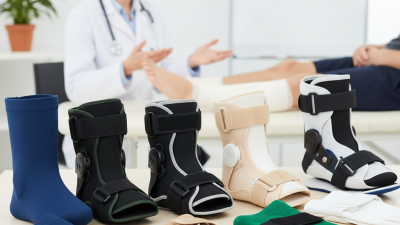
When considering lower leg braces, it’s essential to understand the various types available. There are several options, each designed for specific conditions and needs. Some braces provide stability, while others focus on immobilization. For instance, ankle braces are ideal for sprains, offering support without restricting movement. More rigid options help with fractures by keeping the area still during healing.
Those with chronic conditions may require a more specialized brace. Dorsiflexion braces aid walking by preventing foot drop. Compression sleeves can also improve circulation and reduce swelling. However, the right choice often comes down to individual needs. What works for one person may not be suitable for another.
Consulting with a healthcare professional can clarify your options. It might be tempting to choose a brace based solely on appearance or comfort. However, not all braces will reduce pain or improve function. Reflecting on your posture, activity level, and overall diagnosis is key. Don't rush this decision; the right support can make a significant difference in your recovery.
Identifying Your Specific Needs and Requirements for Support
Identifying your specific needs is key when choosing a lower leg brace. Start by assessing the type of support you require. Are you recovering from an injury or seeking preventive measures? Knowing your situation helps narrow your options. Stability may be vital after an ankle sprain. In contrast, a less rigid brace might suffice for mild strains.
Consider the level of activity you'll engage in while wearing the brace. Those who play sports need a design that offers mobility and protection. The material of the brace also matters. Some offer breathability, useful for extended wear. Others might provide more compression, aiding circulation.
Don't overlook sizing. An ill-fitting brace can do more harm than good. Measure your leg accurately before decision-making. It’s easy to feel overwhelmed by choices. If unsure, seeking advice from healthcare professionals provides valuable insight. Their expertise can guide you toward the right type. Ultimately, the perfect brace aligns with your unique needs and lifestyle. Empower yourself with the right information.
Evaluating the Fit and Comfort of a Lower Leg Brace
Finding a lower leg brace that fits well is crucial for comfort and support. A brace that is too tight can restrict blood flow, while one that is too loose may not provide adequate support. To properly evaluate fit, you should measure the circumference of your calf and ankle. This data helps in selecting the right size. During fittings, try on various options to see how they feel while walking or moving. Pay attention to any pressure points or areas of discomfort, as these could lead to longer-term issues.
Comfort is equally important when choosing a brace. Look for materials that are breathable and moisture-wicking. If you’re using the brace for extended periods, consider ones that have padding or extra cushioning. You might find that adjustable straps enhance fit and comfort. A brace should feel like a supportive extension of your body.
Tips: Always wear the brace during physical activities to test its performance. Take breaks to assess any discomfort, and make adjustments as needed. It’s okay to explore different styles to find what works best for you. Remember that each person’s anatomy and needs are unique. Listen to your body; discomfort is a signal to reconsider your options.
Considering Material and Design Features for Durability
Choosing the right lower leg brace involves careful consideration of material and design features. Durability plays a crucial role in ensuring long-term effectiveness and comfort. According to a report by the Journal of Orthopedic Research, braces made from breathable fabrics and high-density foam tend to outperform others in both flexibility and support. These materials can significantly impact the user's overall experience.
Design is another key factor. A well-structured brace should provide adequate support while allowing for natural motion. Reports suggest that braces with adjustable straps enhance fit and stability, catering to individual body shapes. Users often overlook the importance of weight. Heavier braces may offer more support initially, but lightweight options prove to be more comfortable for all-day wear.
It's also essential to reflect on the life cycle of a brace. Many users find that they require replacements sooner than expected due to wear and tear. Regular inspection can help identify signs of degradation, ensuring consistent performance. While high-quality materials and thoughtful design can elevate a brace's effectiveness, personal experience with the product ultimately drives satisfaction.
Consulting Medical Professionals for Personalized Recommendations
When considering a lower leg brace, consulting medical professionals is crucial. They can assess your condition and recommend options tailored for you. Research shows that 72% of patients who followed professional advice felt more confident with their chosen brace. Personalized recommendations address specific needs and improve overall satisfaction with the aid.
Healthcare providers often use diagnostic tools to understand the unique requirements of each patient. For instance, gait analysis can reveal how your movement patterns might influence brace effectiveness. Data indicates that improper fit can reduce support by up to 40%, significantly affecting recovery. This highlights the importance of seeking expert guidance.
It’s essential to communicate openly with your healthcare provider. Describe your daily activities and goals. They can suggest adjustments based on your lifestyle. Choosing a brace isn’t a one-size-fits-all approach; it involves careful consideration of various factors. Even the best braces need regular reviews and adjustments, underscoring the need for ongoing professional involvement.