How to Source Quality Paediatric Medical Supplies for Global Buyers?
Sourcing quality paediatric medical supplies is crucial for global buyers. Reliable supplies ensure the health and well-being of children worldwide. The paediatric medical market is unique and complex. It demands not only strict adherence to safety standards but also a keen understanding of local needs.
Buyers face challenges in finding trustworthy manufacturers. Many suppliers offer products at low prices, but not all meet quality requirements. It is vital to verify compliance with international regulations. Additionally, cultural differences can affect product usability. Understanding these aspects can enhance sourcing strategies.
Experienced buyers recognize the importance of quality over cost. Selecting the right paediatric medical supplies can significantly impact patient outcomes. It requires a comprehensive approach, including research and partnerships. Learning from past mistakes is also essential. Future success depends on adapting to trends and improvements in paediatric healthcare.

Understanding the Importance of Quality in Paediatric Medical Supplies
Quality in paediatric medical supplies is paramount. These products directly affect children's health and wellbeing. Parents and healthcare providers rely on these supplies for effective treatment. A single faulty supply can lead to severe consequences. The safety of children depends on the reliability of these products.
Sourcing quality items is not always straightforward. Many suppliers claim to offer the best products. However, due diligence is essential. Investigating the manufacturing processes can reveal much about their reliability. Look for certifications and industry standards. It's crucial to understand where and how these products are made.
Engaging with healthcare professionals can provide valuable insights. Their experiences can highlight which supplies truly meet standards. Feedback from users can guide purchasing decisions. Ultimately, attention to quality ensures that children receive the best possible care. Quality supplies not only fulfill a need but build trust within the paediatric community.
Quality Ratings of Paediatric Medical Supplies
Identifying Reliable Suppliers for Paediatric Medical Products
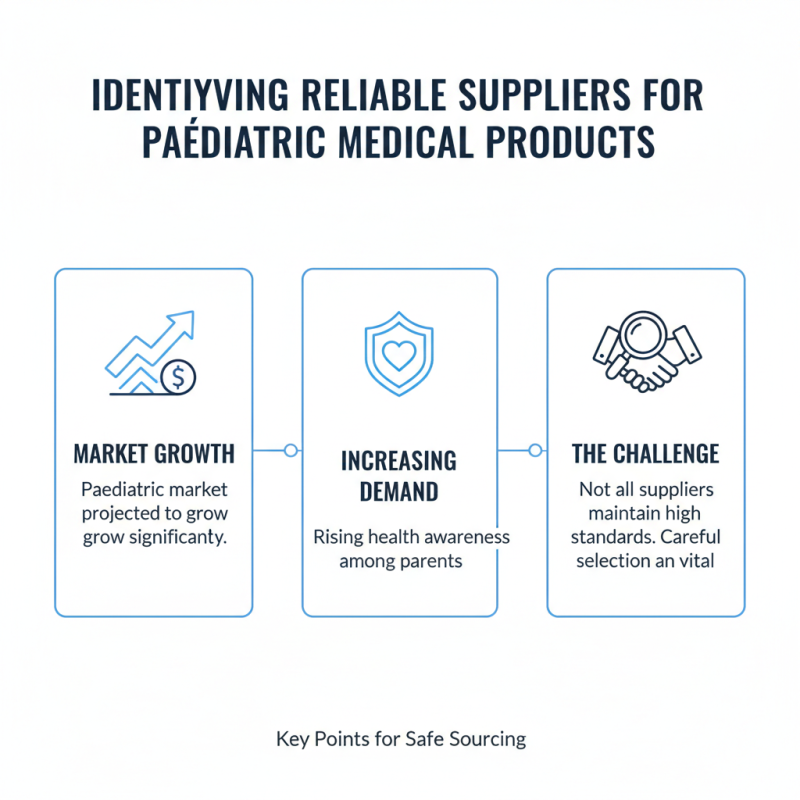
When sourcing paediatric medical supplies, finding reliable suppliers is crucial. The paediatric market is projected to grow significantly, with demand increasing due to rising health awareness among parents. However, not all suppliers maintain high standards, making it vital to vet potential partners carefully.
It's essential to assess suppliers' certifications and industry experience. According to a 2021 report, nearly 70% of healthcare providers indicated that supplier reliability significantly impacts patient care. Additionally, confirm safety records and product testing protocols. This diligence helps avoid substandard products.
Tip: Engage with international trade shows. These events provide opportunities to meet suppliers face-to-face. Networking enables deeper insights into their operations and quality assurance processes.
Consider the supplier's feedback mechanism. A reliable supplier welcomes feedback and has a responsive customer service team. Open communication reflects their commitment to continuous improvement.
Tip: Look for suppliers that have a transparent supply chain. Transparency can impact the traceability of paediatric medical products, ensuring that quality is maintained throughout.
In a rapidly evolving market, staying informed about industry standards and regulations is beneficial. Constant vigilance and critical evaluation of suppliers lead to better sourcing decisions.
Evaluating Certifications and Regulations for Medical Supplies
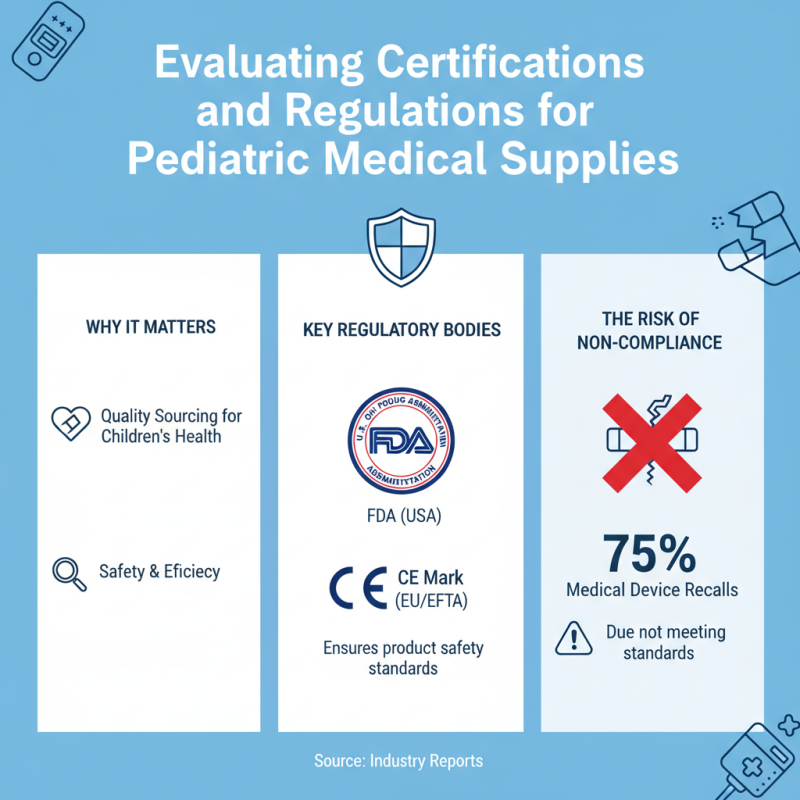
When sourcing quality paediatric medical supplies, understanding certifications and regulations is crucial. Regulatory bodies such as the FDA and CE mark guidelines ensure that products meet safety standards. Reports indicate that 75% of medical device recalls are due to non-compliance with these standards.
Buyers must evaluate the origin of medical supplies carefully. Medical supplies must adhere to specific certifications, including ISO standards. It is alarming that many suppliers do not keep up with these requirements. For instance, a study found that only 40% of medical suppliers pass comprehensive audits. This highlights the importance of due diligence in supplier selection.
Many countries have varied regulatory requirements, making it imperative to understand local laws. Certifications like GMP (Good Manufacturing Practice) can indicate quality. However, challenges in accessing accurate information about these certifications persist. Approximately 30% of buyers struggle to verify the authenticity of certifications presented by suppliers. It's vital for global buyers to engage in proactive verification methods in this complex landscape.
Conducting Effective Quality Control Checks and Testing
When sourcing quality paediatric medical supplies, conducting effective quality control checks is essential. This process ensures the safety and efficacy of products. Begin with proper supplier vetting. Investigate their manufacturing practices and certifications. Regular audits can reveal inconsistencies or areas for improvement.
Implementing testing protocols is crucial. These should include assessing materials for safety and durability. Conduct tests for usability by healthcare professionals. Involve end-users, like parents and healthcare workers, in feedback. Their insights can highlight potential issues before wide-scale distribution.
Tips: Establish a checklist to streamline inspections. Ensure that all checkpoints are actionable and clear. Regularly update your quality standards based on emerging guidelines. It’s vital to remain adaptable, reflecting on past experiences and feedback. Remember, quality control is an ongoing journey, not a one-time task.
Building Long-Term Relationships with Suppliers in Global Markets
Building long-term relationships with suppliers in global markets is essential for sourcing quality paediatric medical supplies. The process can be intricate, but the rewards are substantial. Establishing trust is the cornerstone of successful partnerships. Invest time in understanding your suppliers' business models, quality control standards, and manufacturing practices. Face-to-face meetings, even if virtual, can enhance communication and clarify goals.
Tips for cultivation of these relationships include regular communication. Schedule bi-monthly check-ins to discuss any issues or innovations. Transparency is vital. Share your evolving needs and seek feedback from suppliers, enabling mutual growth. This back-and-forth dialogue fosters collaboration and allows for adaptability in response to market changes.
Another effective approach is to show appreciation for your suppliers. A simple thank-you can go a long way. Highlighting their contributions during project milestones encourages loyalty. Consider involving them in planning processes. Their insights can lead to better products and solutions. Embrace the fact that each interaction is an opportunity for improvement. Reflect on your past dealings and adjust your strategies accordingly, ensuring that both parties benefit from the relationship.