Top Tips for Choosing the Right Medical Wrist Brace?
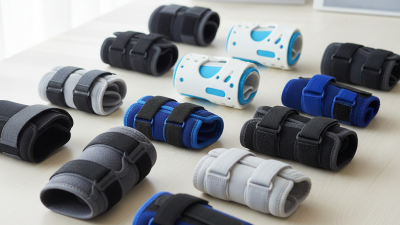
Choosing the right medical wrist brace is essential for recovery and support. Whether you are dealing with an injury or a chronic condition, finding the best brace can greatly influence your healing process. Medical wrist braces come in various styles, sizes, and materials. Understanding these differences is crucial to making an informed decision.
When selecting a medical wrist brace, consider your specific needs. Some braces are designed for immobilization, while others support movement. Look for a product that fits comfortably and securely. It’s important to balance support with mobility to avoid stiffness in your wrist. Additionally, reading reviews and consulting healthcare professionals can provide valuable insights.
Not all braces work the same for every individual. Personal preferences play a role in comfort and usability. Take your time to explore options and ask questions. The right medical wrist brace can enhance your recovery journey, but it may take some trial and error to find the ideal match.

Understanding the Purpose of Medical Wrist Braces
Wrist braces serve a critical role in alleviating pain and stabilizing the wrist. They are often recommended for conditions like carpal tunnel syndrome, tendonitis, or after an injury. A well-fitted brace can provide the necessary support to reduce strain during daily activities. It’s crucial to understand your specific needs before selecting a wrist brace.
Consider the level of support you require. Some braces offer rigid support, while others are more flexible. The latter is suitable for mild discomfort. Pay attention to the materials. Breathable fabrics can enhance comfort, especially if worn for extended periods. Remember that a brace should not restrict blood flow.
Finding the right balance of support and comfort can be challenging. It may take a few tries to discover what works best. Consulting with a healthcare professional can provide guidance tailored to your condition. Always prioritize listening to your body. If a brace causes more discomfort, it may not be the right choice.
Identifying the Right Type of Wrist Brace for Your Condition
Choosing the right type of wrist brace can be challenging. It’s essential to understand your specific condition before making a decision. For instance, if you have wrist sprains, a compression brace might help. It offers support while allowing some movement.
On the other hand, if you're dealing with more severe injuries, such as fractures, a rigid splint may be necessary. This type of brace immobilizes the wrist, ensuring it heals correctly. Always consult with a medical professional to get a proper diagnosis. They can guide you on the best options.
Many people overlook the importance of fit. An ill-fitting brace can cause discomfort and even exacerbate your symptoms. It’s crucial to try the brace on. Make sure it's snug but not too tight. Remember, the right wrist brace can help you recover faster and avoid further injury. Your comfort is paramount.
Top Tips for Choosing the Right Medical Wrist Brace
This chart illustrates the importance of various factors in selecting the right medical wrist brace. Support level is rated as the most critical aspect, followed by material type and size. Design and price are considered less important but still play a role in the decision-making process.
Key Features to Look for in a Quality Wrist Brace
Choosing the right medical wrist brace can feel overwhelming. Understanding key features will help you navigate through the options. Comfort is essential. Look for breathable materials that allow airflow. A well-padded interior can prevent irritation during extended use.
Stability should also be a priority. A brace with adjustable straps offers better support. It allows users to customize the fit based on their needs. Flexible stays provide extra immobilization but shouldn’t restrict movement completely. Users often overlook the size. Ensuring the right fit is crucial for effective support and comfort.
Think about the design as well. Many find a sleek, low-profile brace more practical for everyday use. Color and style might seem trivial, but they impact overall satisfaction. Aesthetics shouldn’t outweigh function, but a brace you like wearing boosts adherence to treatment. Consider these features carefully to make an informed choice.
Top Tips for Choosing the Right Medical Wrist Brace
| Feature |
Importance |
Considerations |
| Material |
Comfort and Breathability |
Look for breathable materials like neoprene or cotton. |
| Size |
Proper Fit |
Ensure it's available in various sizes; measure your wrist accurately. |
| Adjustability |
Support and Comfort |
Look for adjustable straps for a customized fit. |
| Support Level |
Injury Prevention and Recovery |
Choose based on the severity of your condition; soft or rigid support. |
| Ease of Use |
Convenience |
Select braces that are easy to put on and take off. |
| Washability |
Hygiene |
Look for machine washable options to maintain cleanliness. |
Tips for Sizing and Fitting Your Wrist Brace Properly
When selecting a medical wrist brace, proper sizing and fitting are crucial. A well-fitted brace can offer effective support and reduce discomfort. Measure your wrist circumference accurately. Use a flexible tape measure for precision. This step is vital to ensure your brace is snug but not restrictive.
Consider the type of wrist injuries or conditions you are addressing. For instance, a brace for tendonitis may differ from one for a sprain. Adjusting the straps is essential. Some braces allow for custom adjustments. Ensure they fit comfortably without cutting into the skin.
Check the material as well. Breathable fabrics can aid comfort during wear. Keep in mind that you might need to try several styles before finding the right one. Don’t hesitate to consult a healthcare provider for guidance on the ideal brace. Their expertise can help in navigating the range of options available.
Consulting Healthcare Professionals Before Making a Purchase
When considering a medical wrist brace, consulting healthcare professionals is crucial. They can provide tailored advice based on your specific condition or injury. Medical experts assess your wrist's range of motion, strength, and any underlying issues. Their insights help you find a brace that offers the right level of support without being overly restrictive.
Involving professionals also minimizes the risk of choosing an unsuitable product. A wrong fit can cause more harm than good, potentially hindering recovery. Medical professionals often have experience with various types of braces, which allows them to guide you effectively. They understand the nuances of different conditions, whether it’s a sprain, strain, or chronic issue.
It's important to ask questions and express concerns during consultations. This dialogue will help you understand your options better. Many people overlook this step, thinking they can choose independently. However, that can lead to frustration and prolonged discomfort. A knowledgeable healthcare provider can make all the difference in your healing journey.