Top Types of Medical Devices for Global Buyers?

Global buyers rarely choose a medical device by price alone. They assess clinical purpose, user safety, regulatory status, and long-term service support. A compact patient monitor may suit a rural clinic, while a hospital needs advanced alarms, data integration, and battery backup. The right choice depends on real working conditions.

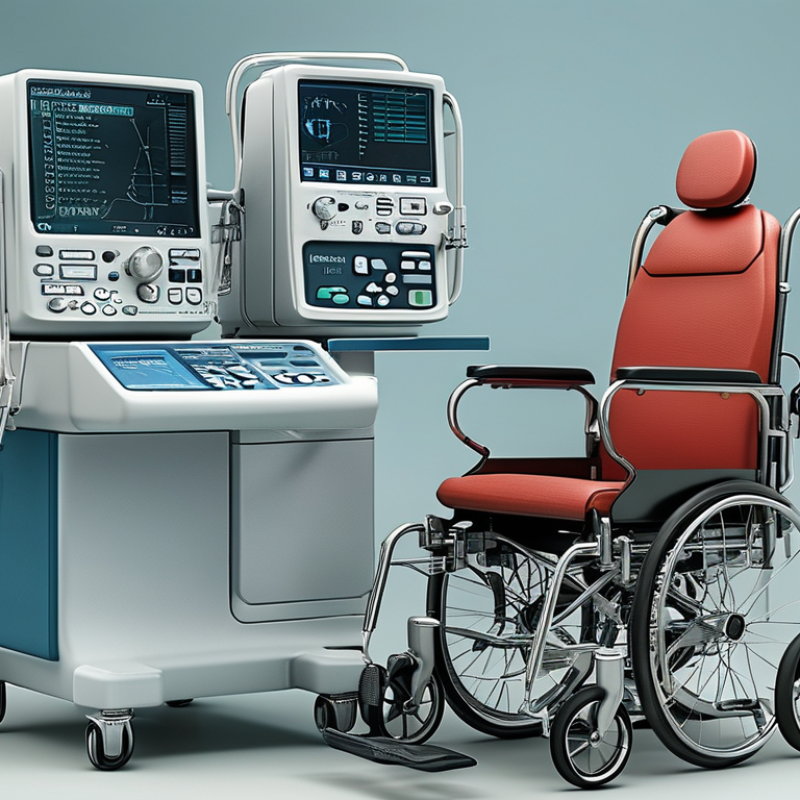
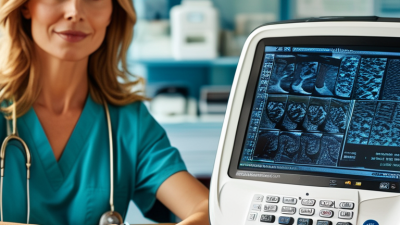
This guide introduces major medical device categories, including diagnostic imaging systems, laboratory analyzers, patient monitoring equipment, surgical instruments, rehabilitation products, and home-care technologies. Each category serves a different clinical need. Imaging devices can reveal internal conditions, while analyzers process blood or urine samples with controlled precision. Monitoring systems track oxygen saturation, heart rate, blood pressure, and other changing signals.

Reliable purchasing requires more than a polished brochure. Buyers should review intended use, technical specifications, quality management evidence, user training, maintenance plans, spare-part availability, and local registration requirements. A device that performs well in a demonstration may become difficult to operate without clear instructions or dependable technical support. That assumption can fail.

Practical details matter. A laboratory analyzer may need stable electricity, temperature control, and trained operators. A wheelchair may require adjustable dimensions, durable wheels, and accessible replacement parts. Digital devices also require careful attention to cybersecurity and patient-data protection. No category is universally best. Sometimes, a simpler model is safer and easier to maintain. However, product comparisons can remain imperfect because healthcare facilities differ widely in budgets, staffing, infrastructure, and patient volume. Thoughtful buyers therefore connect clinical goals with verified evidence, responsible suppliers, and realistic operating conditions. Safety comes first.

Top Types of Medical Devices for Global Buyers?

Medical Device Classification and Regulatory Categories

Top Types of Medical Devices for Global Buyers?

Medical Device Classification and Regulatory Categories

Medical device classification is the regulatory map global buyers should read before comparing specifications. Risk usually depends on intended purpose, invasiveness, duration, and energy source. A reusable surgical instrument may have a lower category than an implantable device. That difference affects evidence, quality controls, labeling, and market access. Small details matter. A diagnostic device can face different rules from a treatment device, even when both use similar hardware.

Many jurisdictions group devices into low-, medium-, and high-risk categories. In the United States, Class I generally covers lower-risk products, while Classes II and III require stronger controls and evidence. In the European Union, Classes I, IIa, IIb, and III reflect rising risk. In vitro diagnostic devices follow separate rules, and software may be classified according to its function. These systems are not interchangeable. Buyers should verify the intended-use statement, classification rationale, conformity records, clinical evidence, and post-market duties. A certificate alone is not enough.

Practical review starts with the product file, not a sales sheet. Check sterile claims, measuring functions, electrical safety, cybersecurity, and shelf-life data. Ask who assessed the device and which market the assessment covers. Borderline products can be difficult to classify. Rules also change. Procurement teams sometimes overlook an accessory, then discover it changes the regulatory category. That mistake is expensive, but preventable. Some assumptions may still require correction after consultation with the relevant authority.

Diagnostic and Monitoring Devices for Global Healthcare Systems

Diagnostic and Monitoring Devices for Global Healthcare Systems

Diagnostic and monitoring devices form the working core of many healthcare systems. They help clinicians identify disease, track changes, and act before conditions worsen.

Common Device Categories

Common categories include blood analyzers, imaging systems, vital-sign monitors, electrocardiographs, and point-of-care testing equipment. Each device should match the care setting, staff skills, and patient volume. A rural clinic may need battery-powered equipment, while a tertiary hospital may require networked systems with higher throughput.

Procurement Considerations

Procurement teams should examine accuracy, repeatability, calibration needs, and maintenance access. Clear instructions matter when staff work across languages or experience levels. Buyers should also check electrical compatibility, environmental limits, consumable availability, and data integration. A monitor that performs well in a controlled room may struggle with dust, heat, unstable power, or frequent transport. Small details can affect clinical trust.

Evidence, Data Protection, and Long-Term Costs

Evidence should guide the purchase. Review technical files, independent evaluations, user training plans, and post-sale service arrangements. Ask how results are verified and how errors are recorded. Patient data needs appropriate protection during storage and transfer.

No device is perfect. Even a reliable analyzer can produce misleading results when samples are handled poorly. That weakness deserves attention, not concealment. Buyers sometimes focus heavily on purchase price and overlook calibration, repairs, software updates, and staff turnover. That approach can create higher costs later. A careful trial with local users may reveal workflow problems that specifications fail to show.

Therapeutic and Surgical Devices Across International Markets

Top Types of Medical Devices for Global Buyers?

Therapeutic and Surgical Devices Across International Markets

Therapeutic devices support recovery, disease control, and daily clinical decisions. Common categories include infusion pumps, dialysis systems, ventilators, rehabilitation equipment, and patient monitoring units. Their value depends on safe operation, not impressive specifications alone. A pump may require local voltage, compatible tubing, and clearly translated alarms. In one hospital, a missing consumable can stop treatment within hours. That detail matters.

Surgical devices include electrosurgical generators, anesthesia systems, endoscopic equipment, powered instruments, and sterile surgical tools. Buyers should examine intended use, risk classification, sterilization methods, and maintenance requirements. Strong technical files should explain performance testing, clinical evidence, labeling, and traceability. Quality systems aligned with recognized medical-device standards can support reliable production, but certificates do not replace careful verification. Local registration remains essential.

Training and after-sales support often decide whether a device performs well. Suppliers should provide user instructions, service schedules, spare-part plans, and fault-reporting channels in the local language. Connected devices also need access controls and regular software updates. Procurement teams should test the device in realistic settings, including power interruptions and limited technical staffing. A checklist can still miss practical problems. A device that works perfectly in a demonstration may frustrate nurses during a crowded night shift. Market needs change, so post-market feedback should influence future purchasing decisions.

Assistive, Homecare, and Rehabilitation Medical Devices

Top Types of Medical Devices for Global Buyers

Assistive, Homecare, and Rehabilitation Medical Devices

Assistive devices help users manage daily tasks with greater safety and independence. Examples include walking aids, transfer supports, adjustable seating, and communication tools. Selection should match the user’s strength, balance, home layout, and care routine. A lightweight walker may suit a small apartment, but not uneven outdoor paths. Comfort matters, too. Poorly fitted equipment can create pressure, fatigue, or new movement problems.

Homecare devices support monitoring and treatment outside hospitals. Common categories include mobility beds, patient lifts, respiratory support equipment, and basic vital-sign monitors. Buyers should check training needs, cleaning methods, battery performance, and replacement parts. Local registration rules and electrical requirements must also be confirmed before purchase. A device can appear affordable, yet become expensive when service access is weak. That assumption deserves challenge.

Tips: Ask a qualified clinician to assess the user before ordering. Measure doorways, bed height, and storage space. Request clear instructions and maintenance records. For rehabilitation devices, confirm adjustable resistance, safe movement limits, and progress tracking. Trial use is valuable. Real homes are less predictable than catalogs. When a product fails, the cause may be poor fitting, limited training, or unrealistic expectations rather than defective equipment.

Top Types of Medical Devices for Global Buyers

Assistive, Homecare, and Rehabilitation Medical Devices

Assistive products represent the largest documented global need, while rehabilitation services and homecare-related devices support billions of people worldwide. These indicators highlight the scale of potential demand for mobility aids, daily-living equipment, rehabilitation devices, and homecare solutions.

Figures are published global estimates from different reference years and are not additive: WHO reports more than 2.5 billion people needing assistive products, approximately 2.41 billion people who could benefit from rehabilitation, about 1.3 billion people living with significant disability, and around 1.0 billion people aged 60 and over. Sources: World Health Organization, Assistive Technology; Rehabilitation 2030; Disability and Health; Ageing and Health.

Key Factors for Global Buyers Comparing Medical Devices

Top Types of Medical Devices for Global Buyers?

Key Factors for Global Buyers Comparing Medical Devices

Global buyers compare many categories, including diagnostic, monitoring, infusion, surgical, and rehabilitation devices. The intended use should match the clinical setting, patient population, and staff capability. A compact monitor may suit a rural clinic, yet its battery can fail during long transport. Ask for documented performance, risk classification, applicable standards, and evidence from realistic use conditions. Regulatory acceptance in one market does not guarantee approval elsewhere. Check local registration, labeling, language, and post-market reporting duties before purchase.

Quality systems matter. Look for traceable manufacturing records, lot controls, calibration procedures, and a clear complaint process. Request clinical evaluation reports, usability data, and cybersecurity information when devices connect to networks. Independent testing can reveal alarm delays, inaccurate readings, or awkward cleaning points. Small details matter. A device needing a special cable may create costly delays after installation. Total cost should include consumables, maintenance, training, software updates, shipping, and compliant disposal.

Global procurement also depends on dependable support. Confirm response times, spare-part availability, technician qualifications, and remote assistance limits. Compare warranty terms carefully; coverage may exclude batteries, sensors, or accidental damage. Buyers should test samples with actual users, not only review brochures. Nurses may notice confusing menus that engineers miss. A spreadsheet can still miss practical problems. Document assumptions about power supply, climate, connectivity, and workload. Revisit the comparison with clinical, technical, and regulatory reviewers before signing.

Top Types of Medical Devices for Global Buyers? - Key Factors for Global Buyers Comparing Medical Devices
Comparison of widely procured medical-device categories based on clinical use, infrastructure requirements, regulatory documentation, service needs, and suitability for different healthcare environments.
Medical Device Type Primary Clinical Function Typical Users and Settings Core Performance Metrics Infrastructure and Operating Requirements Relevant Standards or Documentation Examples Key Factors for Global Buyers
Patient Monitoring Systems Continuous or intermittent measurement of vital signs such as ECG, heart rate, blood pressure, oxygen saturation, respiratory rate, and temperature. Hospitals, intensive-care units, emergency departments, operating rooms, clinics, and transport settings. Important metrics: measurement accuracy, alarm performance, signal quality, number of monitored parameters, display readability, and connectivity. Stable power supply, rechargeable battery capability, network connectivity where required, compatible sensors, and cleaning procedures suitable for clinical use. IEC 60601-1 for general medical electrical safety; applicable collateral and particular standards may include IEC 60601-2-27 for ECG monitoring and IEC 60601-2-49 for multifunction patient monitoring. Verify sensor availability, multilingual software, alarm configuration, interoperability, cybersecurity controls, local training, calibration support, and replacement-parts access.
Ultrasound Imaging Systems Real-time imaging of soft tissue, blood flow, organs, pregnancy, and selected cardiac or vascular applications without ionizing radiation. Radiology departments, maternity units, cardiology departments, emergency care, outpatient clinics, and mobile care units. Important metrics: image resolution, penetration depth, frame rate, Doppler capability, probe selection, examination presets, and image-storage functions. Electrical power, temperature-controlled storage, probe disinfection, stable work surfaces or transport mechanisms, and secure data transfer where images are archived. IEC 60601-2-37 addresses particular requirements for ultrasonic medical diagnostic and monitoring equipment; applicable electrical safety, electromagnetic compatibility, and local radiation-free imaging requirements should also be reviewed. Compare probe durability, software localization, data-export formats, serviceability, preventive-maintenance requirements, training, and performance in low-resource environments.
Infusion Pumps Controlled delivery of fluids, medications, nutrients, or blood-related products at programmed rates and volumes. Hospitals, oncology units, intensive-care units, operating rooms, maternity care, home care, and ambulatory treatment. Important metrics: flow-rate accuracy, occlusion detection, dose limits, free-flow protection, alarm clarity, battery duration, and drug-library functions. Reliable power, compatible disposable sets, routine cleaning, battery management, staff training, and procedures for preventing programming errors. IEC 60601-2-24 covers particular requirements for infusion pumps and controllers; risk-management documentation under ISO 14971 is commonly relevant. Check consumable compatibility, regional electrical requirements, language and unit settings, alarm customization, cybersecurity, software-update policy, and total cost of ownership.
Mechanical Ventilators Provides or supports breathing through controlled delivery of oxygen-enriched air and management of ventilation parameters. Intensive-care units, emergency departments, operating rooms, transport services, neonatal units, and selected home-care programs. Important metrics: tidal-volume accuracy, pressure control, respiratory-rate range, trigger sensitivity, oxygen concentration, alarm performance, and backup modes. Medical gas supply or integrated turbine, electrical power with emergency backup, humidification where required, compatible circuits, filters, and trained clinical staff. ISO 80601-2-12 addresses critical-care ventilators; ISO 80601-2-13 applies to anaesthetic workstations. The applicable standard depends on the device type and intended use. Evaluate performance at local altitude, oxygen availability, battery autonomy, consumable supply, preventive maintenance, user training, language support, and emergency-service capability.
In Vitro Diagnostic Analyzers Analyzes human specimens such as blood, urine, or tissue-related samples to support screening, diagnosis, monitoring, and treatment decisions. Central laboratories, hospital laboratories, outpatient clinics, public-health laboratories, and point-of-care testing locations. Important metrics: analytical accuracy, precision, reportable range, throughput, turnaround time, sample volume, reagent stability, and internal quality-control functions. Requirements may include temperature control, clean water, drainage, ventilation, uninterrupted power, calibration materials, quality-control procedures, and trained laboratory personnel. ISO 13485 may apply to the manufacturer’s quality system; ISO 14971 supports risk management. ISO 15189 is widely used for medical-laboratory quality and competence, while specific IVD standards depend on the assay and platform. Compare reagent supply continuity, shelf life, cold-chain needs, calibration traceability, local registration, proficiency testing, waste handling, connectivity, and technical support.
Dialysis Systems Removes waste products and excess fluid from blood when kidney function is severely impaired. Dialysis centers, hospitals, renal units, and selected home-care environments with appropriate clinical supervision. Important metrics: treatment-flow accuracy, ultrafiltration control, conductivity monitoring, temperature control, air detection, alarm reliability, and disinfection effectiveness. High-quality treated water, drainage, dedicated electrical service, dialysate supplies, infection-control procedures, trained personnel, and regular maintenance. IEC 60601-2-16 covers particular requirements for haemodialysis, haemodiafiltration, and haemofiltration equipment; water quality should be managed according to applicable local and international requirements. Assess water-treatment compatibility, consumable availability, infection-control design, service response, operator training, utility reliability, waste management, and lifecycle costs.
Surgical and Electrosurgical Equipment Supports tissue cutting, coagulation, illumination, visualization, and other procedures performed in operating or treatment rooms. Operating rooms, ambulatory surgical centers, endoscopy units, dental clinics, and specialty procedure rooms. Important metrics: output control, thermal performance, visualization quality, instrument compatibility, safety monitoring, ergonomics, and sterilization-cycle compatibility. Operating-room electrical infrastructure, grounding, smoke evacuation where required, sterile processing, compatible accessories, and documented maintenance procedures. IEC 60601-1 and applicable particular standards for electrosurgical equipment, such as IEC 60601-2-2, may apply. ISO 17664 is relevant to manufacturer-provided processing instructions for reusable medical devices. Confirm compatibility with existing accessories, sterilization methods, local electrical systems, service training, spare parts, workflow integration, and documentation for reusable components.
Mobility and Rehabilitation Devices Improves mobility, positioning, independence, physical recovery, or safe transfer for people with temporary or permanent functional limitations. Rehabilitation hospitals, nursing facilities, community care, home care, outpatient therapy, and long-term-care services. Important metrics: load capacity, adjustability, stability, braking performance, battery range where applicable, ease of transfer, and user comfort. Suitable floor surfaces, charging facilities for powered equipment, fitting and adjustment by trained personnel, cleaning procedures, and access to replacement components. Applicable standards vary by device category; examples include ISO 7176 series standards for wheelchairs and ISO 9999 for classification of assistive products. Consider local body-size ranges, terrain, climate, accessibility requirements, repairability, user training, spare parts, warranty coverage, and availability of clinical fitting services.
Note: Regulatory classification, registration, labeling, and conformity requirements vary by destination market and intended use. Buyers should verify current requirements with the relevant national regulatory authority and qualified local professionals before procurement.