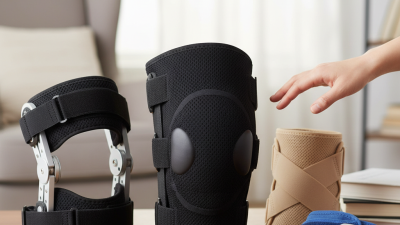

Choosing among wrist splints can feel surprisingly difficult. Store shelves show rigid braces, soft sleeves, thumb supports, and adjustable designs. Each one serves a different purpose. The right choice depends on the injury, symptoms, activity, and fit.
Hand and wrist surgeon Dr. Sanjeev Kakar has emphasized this practical point: “A wrist splint can be helpful, but it should match the condition and the person’s daily needs.” That principle matters when comparing support levels. A nighttime carpal tunnel splint should usually keep the wrist neutral. A sports brace may need stronger side support. A post-injury design may require medical supervision and limited movement.
Small details matter. Check whether the brace presses against the palm. Notice numb fingers, skin redness, or a cold hand. Those signs suggest poor fit. The splint should feel secure, not punishing. It should also allow safe movement when movement is part of recovery.
There is no perfect brace.
This guide examines materials, structure, comfort, adjustability, and intended use. It also considers guidance from clinicians and real-world experiences, including the awkward truth that a popular splint may still be wrong for one person. Evidence is not equally strong for every product claim. Persistent pain, weakness, swelling, or tingling deserves professional assessment. A wrist splint can support healing, but it cannot explain the cause of symptoms or replace a qualified diagnosis.
What Are the Top Wrist Splints for Support?
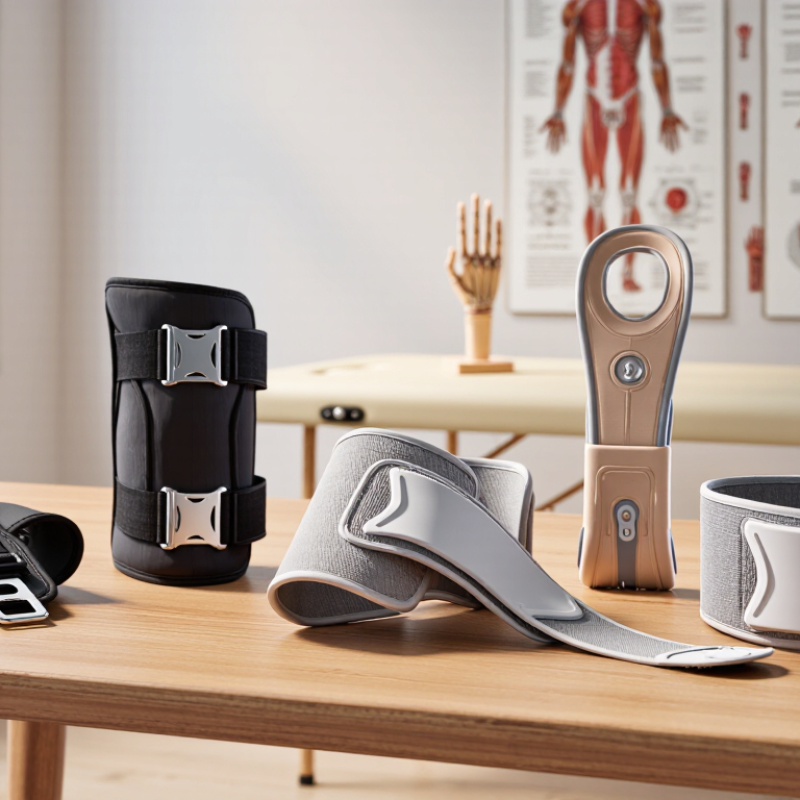
Wrist splints differ by structure, coverage, and intended movement control. A basic wrist brace supports the joint while leaving the fingers free. It suits mild strain, repetitive work, and everyday discomfort. A rigid splint limits bending more firmly. This can help after injury, but it may feel bulky during typing or cooking.
A thumb spica splint extends around the thumb and stabilizes the wrist side near the thumb. It is often used for thumb tendon irritation or selected joint injuries. A night splint keeps the wrist in a neutral position during sleep. This position may reduce pressure caused by prolonged bending. Compression splints offer warmth and light support, though they provide less motion control.
In practical fitting, comfort matters as much as firmness. The splint should feel secure, not painfully tight. Fingers should remain warm, mobile, and normally colored. Check the skin after removing it. Red marks that persist suggest poor fit. No splint works perfectly for every condition. I sometimes see people choose maximum stiffness, assuming it means better support. That choice can restrict useful movement and weaken confidence in the hand. A healthcare professional should assess persistent numbness, swelling, severe pain, or reduced grip. The right type depends on the injury, symptoms, daily tasks, and recovery stage.
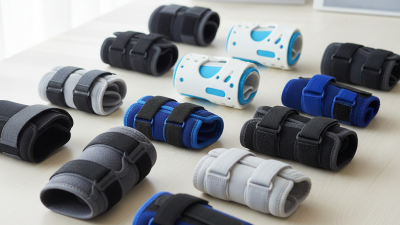
The best wrist splint is not always the stiffest one. Fit, purpose, and daily comfort matter more than appearance. A splint should keep the wrist in a neutral position, limiting painful bending without squeezing the hand. Check the size carefully. Fingers should move freely, while the support remains secure during light activity. A loose splint can rub the skin. A tight one may cause numbness.
Breathable fabric is valuable, especially during sleep or extended computer use. Look for smooth seams, adjustable straps, and removable stays. These features make cleaning easier and allow modest changes in support. For tendon irritation, a flexible design may provide enough control. After a sprain or fracture, stronger support may be appropriate, but medical guidance is important. Not every wrist problem needs the same structure.
Comfort affects real-world results. If the splint causes throbbing, tingling, swelling, or unusual skin color, remove it and seek professional advice. I have found that users often focus on rigid support and overlook heat buildup. That is an easy mistake. Test the splint for short periods before wearing it overnight. Check whether it interferes with driving, typing, or gripping a cup. A good choice supports healing without making ordinary movement unnecessarily difficult.
Choosing the right wrist splint starts with the problem, not the price. A neutral-position night splint suits mild carpal tunnel symptoms because it limits awkward bending during sleep. The 2012 Cochrane review examined 19 studies involving about 1,190 participants. It found possible symptom relief, but the evidence quality remained low or very low. That matters. A splint can support recovery without fixing every cause.
For daytime typing, lifting, or repetitive work, a lightweight wrist support with flexible stays may balance protection and movement. For a sprain or post-injury tenderness, a firmer immobilizing splint can reduce painful motion. However, prolonged restriction may create stiffness and weakness. The American Academy of Orthopaedic Surgeons’ clinical guidance reflects this uncertainty. Non-surgical treatments can help some patients, yet outcomes vary considerably.
Fit is practical, not cosmetic. The palm should feel supported, while the fingers remain warm and mobile. Check for tingling, pressure marks, or swelling after 20 minutes. Remove it and reassess. One common mistake is tightening the strap to feel secure; excessive pressure may worsen numbness. A 2023 occupational health report from the U.S. Bureau of Labor Statistics recorded millions of nonfatal workplace injuries, including many sprain and strain cases, but those figures do not identify the best splint. Professional evaluation is still important when weakness, persistent numbness, deformity, or night pain continues. My own preference would be adjustable support, though that is not automatically the best clinical choice.
| Wrist Splint Option | Typical Support Level | Wrist Position and Motion | Best Suited For | Common Design Features | Advantages | Limitations and Considerations |
|---|---|---|---|---|---|---|
| Wrist Brace with Removable Splint | Moderate to high | Usually keeps the wrist near neutral while allowing finger movement. | Carpal tunnel symptoms, mild wrist sprains, and general daytime or nighttime support. | Removable metal or plastic stay, adjustable hook-and-loop straps, breathable fabric. | Offers adjustable stabilization and can be removed when greater mobility is needed. | May feel bulky during tasks requiring frequent wrist movement; fit should not restrict circulation. |
| Night Wrist Splint | Moderate | Maintains a neutral or slightly extended wrist position during sleep. | Nighttime hand tingling or numbness associated with carpal tunnel syndrome. | Low-profile construction, soft lining, broad palm support, and secure straps. | Helps reduce prolonged wrist bending during sleep and is generally easy to put on. | May be uncomfortable for side sleepers or people who find straps restrictive. |
| Thumb Spica Wrist Splint | Moderate to high | Stabilizes the wrist and limits thumb movement, especially at the base or side of the thumb. | Thumb-base arthritis, thumb tendon irritation, and selected thumb or wrist sprains. | Extended thumb section, molded stay, adjustable wrist closure, and thumb opening. | Provides targeted support for conditions involving both the wrist and thumb. | Can interfere with gripping, typing, and fine motor activities; correct thumb positioning is important. |
| Compression Wrist Sleeve | Light | Allows nearly full wrist and finger movement with gentle compression. | Exercise, repetitive activities, mild soreness, and users seeking a low-profile option. | Elastic knitted fabric, seamless or flat seams, and pull-on construction. | Lightweight, discreet under clothing, and suitable for activities requiring mobility. | Provides limited immobilization and may not be appropriate for an acute injury needing firm stabilization. |
| Adjustable Wrist Wrap | Light to moderate | Supports the wrist while allowing substantial movement; tension can be adjusted. | Weight training, racquet sports, lifting, and activities where additional wrist support is desired. | Elastic or semi-elastic strap, thumb loop, and wraparound closure. | Quick to apply, highly adjustable, and compatible with active movement. | Improperly tight wrapping may cause discomfort, numbness, or impaired circulation. |
| Rigid Wrist Immobilizer | High | Restricts wrist flexion and extension; fingers typically remain free. | More significant sprains, post-injury protection, or situations requiring substantial wrist immobilization. | Rigid palm support, multiple straps, padded interior, and reinforced side stays. | Provides strong control of wrist movement and can protect the area during recovery. | Less suitable for prolonged unrestricted activity; medical guidance may be needed after a significant injury. |
| Postoperative or Fracture Support Splint | High | Position is determined by the injury, procedure, or clinician’s treatment plan. | Postoperative recovery, suspected fracture, or medically managed wrist conditions. | Rigid or semi-rigid frame, padded contact areas, adjustable straps, and room for swelling. | Can protect healing tissues when properly fitted and used according to clinical instructions. | Should be selected and adjusted by a qualified healthcare professional; not a substitute for diagnosis. |
| Left- or Right-Hand Specific Splint | Varies | May provide more precise alignment because the splint is shaped for one hand. | Users who need a closer anatomical fit or have different support requirements for each hand. | Side-specific contouring, shaped thumb area, tailored stays, and directional straps. | Often provides improved fit, comfort, and stability compared with a universal design. | Must be ordered for the correct hand; sizing errors can reduce comfort and effectiveness. |
Selection note: Choose a splint that fits securely without causing numbness, tingling, skin discoloration, or increased pain. For severe pain, visible deformity, suspected fracture, loss of strength, or persistent symptoms, seek assessment from a qualified healthcare professional.
How to Select the Right Fit, Material, and Wrist Position
The best wrist splint depends on your symptoms, daily tasks, and required movement. A rigid volar splint offers stronger support during rest or recovery. A thumb-spica design also stabilizes the thumb and wrist. Flexible wraps suit light activity, mild strain, or short periods of use. They should not feel like punishment.
Check the fit carefully. Your fingers should bend freely, while the wrist stays supported without numbness or tingling. The edge should sit below the palm crease and avoid pressing against the thumb joint. Measure your wrist circumference, then compare it with the size guide. Sizes vary between manufacturers, so guessing can fail. A poorly fitted splint may worsen discomfort.
Material affects comfort and control. Neoprene feels soft and warm, but it may trap sweat during long wear. Breathable fabric helps active users, while plastic stays more rigid and structured. Most people need a neutral wrist position or slight extension, often around 10 to 20 degrees. However, the correct angle depends on the injury and treatment plan.
I used to think tighter meant better support; it does not. Remove the splint regularly to inspect your skin, especially around the thumb and palm. Persistent pain, swelling, weakness, or color changes deserves assessment from a qualified healthcare professional.
What Are the Top Wrist Splints for Support?
The best wrist splint is not always the stiffest one. Proper fit matters more than appearance. It should support the wrist in a neutral position without pressing hard against the palm or thumb. Your fingers should move freely, and your skin should remain warm and normally colored. A common mistake is tightening the strap after discomfort begins. That may increase pressure instead of improving support. Follow a clinician’s advice when using a splint for an injury, nerve symptoms, or recovery after treatment.
Tips: Wear a thin, dry layer beneath the splint if your skin becomes irritated. Check your skin after removing it, especially around the edges and straps. Clean the splint according to its care instructions, using mild soap and cool water when appropriate. Let it air-dry completely. Avoid heaters, direct heat, and harsh chemicals, which can weaken the material or change its shape. Do not share a wrist splint, even if it looks clean.
A wrist splint needs replacement when it loses its shape, develops cracks, smells persistently, or no longer stays secure. Stretched straps can make support unreliable. Replace it sooner if numbness, swelling, increased pain, or unusual skin color appears during use. Stop and seek professional advice if symptoms continue. Fit can change as swelling improves. Rechecking the splint is wise, though often overlooked.
Proper Use, Care, and Replacement of Wrist Splints
Chart: Typical reference ranges for healthy adult wrist movement. A supportive wrist splint may limit some of these movements to help keep the wrist in a neutral or protected position. Actual motion varies by person and condition.
Proper use: Choose a splint that fits securely without causing numbness, tingling, skin discoloration, or increased pain. Follow a clinician’s instructions, especially after an injury or surgery.
Care and replacement: Keep the splint clean and fully dry, inspect straps and padding regularly, and replace it when it becomes loose, damaged, permanently deformed, or unable to provide consistent support.
|
This is a medical device. |