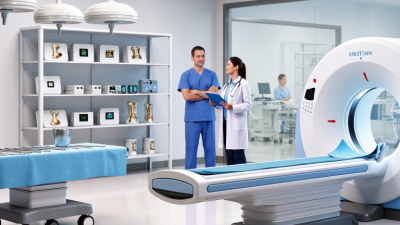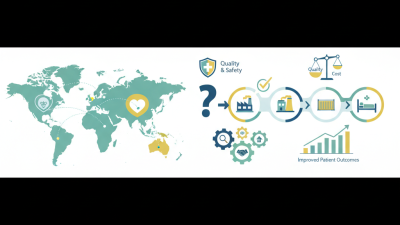

Global buyers entering 2026 face a medical device market shaped by aging populations, remote care, and stricter evidence expectations. The World Health Organization’s Global Atlas of Medical Devices identifies more than two million device types and over 7,000 generic device groups. That scale creates opportunity, but it also creates confusion. A pulse oximeter, infusion pump, surgical robot, and diagnostic imaging system serve very different clinical realities.
Recent industry reports point toward continued expansion. MedTech Europe’s Facts and Figures report places Europe among the world’s largest medical technology markets, supported by strong demand for diagnostics, monitoring equipment, orthopedic products, and digital health tools. Fortune Business Insights also projects substantial global market growth through the decade. These figures are useful, but forecasts are not guarantees. Hospital budgets, reimbursement policies, supply interruptions, and local technical skills can change purchasing decisions quickly.
Dr. Tedros Adhanom Ghebreyesus, Director-General of the WHO, has stated, “Health is a fundamental human right.” That principle should guide every buying decision. The best device is not always the newest one. It may be the monitor with clear alarms, replaceable sensors, and reliable service in a rural clinic. Buyers should examine clinical value, regulatory status, cybersecurity, training needs, maintenance access, and total ownership cost. Product rankings can simplify comparison, yet they can also hide uncomfortable differences between regions. This guide reviews the leading medical device types expected to attract global buyer attention in 2026, while recognizing one weakness: market popularity does not automatically equal patient benefit.
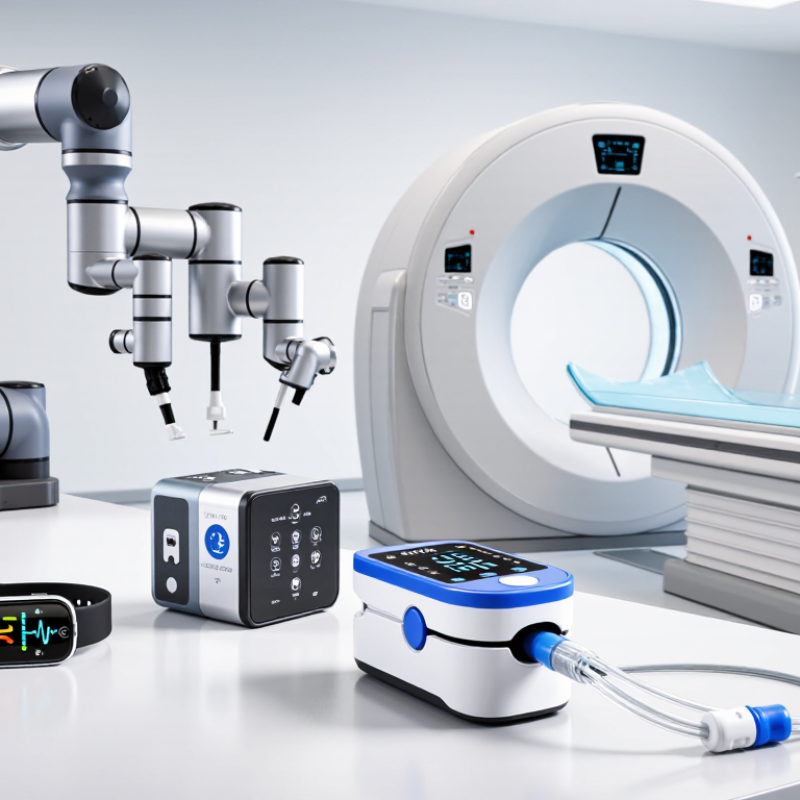
Medical devices now support diagnosis, treatment, monitoring, and daily patient care. Imaging systems help clinicians view internal tissues without invasive procedures. Patient monitors track oxygen levels, heart rhythm, temperature, and blood pressure in real time. These tools can reveal dangerous changes early. Small details matter.
Therapeutic devices serve a different role. Infusion pumps deliver carefully measured fluids or medicines, while respiratory equipment supports patients with breathing difficulties. Surgical instruments improve precision during procedures, and rehabilitation devices help restore movement after injury. Home-use devices also expand care beyond hospitals, especially for elderly patients and people in remote areas.
Global buyers should assess clinical evidence, operator training, maintenance access, and local regulatory requirements. A device may perform well in a laboratory but struggle in a crowded clinic with unstable power. That difference is easy to overlook. Buyers should also examine replacement parts, calibration schedules, data security, and compatibility with existing hospital systems. Lower purchase prices can hide long-term service costs. In practice, the best choice is not always the most advanced device. It is the device that trained staff can use safely, maintain consistently, and explain clearly to patients. Mistakes still happen, so procurement teams need realistic risk reviews rather than optimistic assumptions.
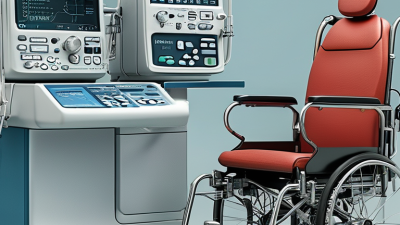
In 2026, global buyers need diagnostic and monitoring devices that fit real clinical workflows. Portable ultrasound systems, vital-sign monitors, ECG equipment, and laboratory analyzers support faster decisions. Each device should provide clear readings, stable performance, and simple operation. A crowded emergency room exposes weak design quickly. Staff may work under pressure, poor lighting, or limited network access. Battery life matters. So does readable data.
Tips: Check intended use, measurement accuracy, alarm settings, and maintenance needs. Request validation records and user training materials. Confirm compatibility with local power systems, data platforms, and clinical procedures. Review calibration intervals before purchase. A low price can become expensive after repeated service delays.
Reliable procurement also requires careful evidence review. Buyers should examine quality controls, usability testing, cybersecurity safeguards, and performance data from relevant settings. Devices must support local healthcare conditions, not only advanced hospitals. A rural clinic may need offline functions and rugged housing. A large medical center may prioritize integration and centralized reporting.
No device is perfect. Even accurate equipment can fail when users misunderstand alarms or skip routine checks. This is where supplier responsiveness becomes important. Clear documentation builds trust, although documentation alone cannot replace practical testing. A small pilot can reveal workflow problems before wider deployment.
2026 Top Medical Device Types for Global Buyers
Therapeutic, Surgical, and Rehabilitation Device Categories
Therapeutic devices are moving beyond hospital walls. Infusion pumps, respiratory support systems, dialysis equipment, and patient monitoring devices remain central purchasing categories. The World Health Organization reports more than two million distinct medical device types worldwide, grouped into over 7,000 categories. That scale makes classification difficult.
For surgical buyers, precision and workflow safety matter most. Electrosurgical units, operating tables, surgical lights, endoscopic systems, and sterilization equipment support different stages of care. The World Health Organization’s Global Guidelines for the Prevention of Surgical Site Infection emphasize reliable infection-control processes. A device with impressive specifications still fails if cleaning steps are unclear or staff training is weak. That sounds obvious. It is often missed.
Rehabilitation demand is also expanding with ageing populations and longer survival after injury. Common categories include powered wheelchairs, mobility aids, therapeutic exercise equipment, prosthetic components, and neurological rehabilitation systems. A 2024 report from the Organisation for Economic Co-operation and Development links population ageing with growing demand for long-term care and assistive technologies. Global buyers should check adjustability, spare-part access, electrical compatibility, and clinical evidence. The International Organization for Standardization notes that usability and risk management require documented, systematic evaluation. In practice, tender teams sometimes overvalue purchase price. Total ownership cost deserves more attention.
Digital health and home-care technologies are becoming central to medical device procurement in 2026. The World Health Organization and UNICEF report that 2.5 billion people need at least one assistive product. This number may exceed 3.5 billion by 2050. Home monitoring is no longer a niche service.
Practical devices include connected blood-pressure monitors, pulse oximeters, glucose systems, fall detectors, and portable ECG tools. Their value depends on accuracy, simple setup, and secure data transfer. The OECD’s Health at a Glance 2023 reports that teleconsultations became a substantial part of care after 2020, though adoption remains uneven across countries. Buyers should examine clinical validation, interoperability, battery performance, and repair support. A clever interface cannot fix poor measurements.
Remote care also requires human judgment. Elderly users may struggle with pairing instructions or small screens. Caregivers need clear alerts, not constant noise. The WHO Global Strategy on Digital Health 2020–2025 emphasizes equity, governance, and reliable health information. Yet many procurement teams still focus too heavily on device features. That is a weakness worth challenging. The best home-care technology fits daily routines, protects patient privacy, and works when internet access is unstable.
Global buyers now assess medical devices through risk, evidence, and long-term usability. Common categories include patient monitors, diagnostic equipment, imaging systems, surgical instruments, and home-care devices. Each category requires different performance evidence and service planning.
In practice, buyers compare intended use, device classification, test reports, and quality-system records. They examine whether labeling matches the target market’s language and clinical requirements. A reliable supplier should provide traceability, calibration details, maintenance schedules, and clear complaint procedures.
Ask for recent production records, not only polished brochures. Small details matter. A missing serial-number format can delay customs clearance or hospital acceptance.
Sourcing also requires careful verification of regulatory pathways. Buyers may review technical files, risk-management records, clinical evidence, and post-market surveillance plans. Requirements differ across countries, even when the device appears identical.
Local registration, import rules, electrical safety, data protection, and authorized representation may all affect delivery. A low purchase price can hide training costs, replacement delays, or unusable software.
Procurement teams should test sample units with real users, measure setup time, and document every concern. No process is perfect.
A complete checklist can still miss a weak service network or unclear responsibility after installation. That gap deserves honest discussion before signing.
|
This is a medical device. |