
2026 Top Wrist Brace Types Which One Is Best?

A wrist brace can look simple on a store shelf, yet different designs support the hand in very different ways. A soft compression sleeve may provide light support during everyday tasks, while a rigid splint can limit wrist movement after an injury or during rest. Thumb-spica braces also stabilize the thumb, and some night braces help keep the wrist in a neutral position. The names can be confusing. Small differences matter.

This guide compares common wrist brace types and explains what each one is designed to do. It considers fit, comfort, adjustability, and the activities you need to keep doing, from typing to lifting a kettle. The best option depends on the reason for your symptoms, not just the brace’s label. Not always obvious. A brace that feels supportive at first may rub, restrict useful movement, or prove awkward after several hours. Check for pressure, numbness, swelling, or worsening pain, and loosen or remove it if these occur. For a new injury, persistent symptoms, or a diagnosed condition, ask a qualified healthcare professional which design and wearing schedule are appropriate. A brace can support care, but it does not identify the cause of pain. This comparison offers practical guidance, not a substitute for an individual assessment.
2026 Top Wrist Brace Types Which One Is Best?

What a Wrist Brace Is and How It Supports the Wrist

A wrist brace is a wearable support that helps steady the wrist and limit movement. Some designs use soft fabric for gentle compression; others include a firm splint to hold the wrist closer to a neutral position. That can reduce strain during sleep or everyday tasks, depending on the cause of discomfort. It does not repair an injury. Fit matters: a brace that is too tight may cause tingling, numbness, or skin irritation.

For carpal tunnel symptoms, keeping the wrist straight at night may help reduce pressure around the nerve. A Cochrane review of 19 trials involving 1,190 participants found limited evidence that night splinting may improve symptoms in the short term; long-term benefits remained uncertain. The evidence is not a promise. Wrist pain can also come from tendon problems, sprains, or other conditions, and each may need different support. A clinician can help identify the cause, especially if pain persists or hand strength changes.

Tips: Choose a brace that feels secure, not restrictive. Check your fingers for normal color and sensation. Take it off if symptoms worsen, and ask a health professional how long to wear it.

The Main Types of Wrist Braces and Their Uses

Choosing a wrist brace starts with the movement you need to limit, not its appearance.

A neutral-position wrist splint keeps the joint straight and is often used at night for carpal tunnel symptoms.

An American Family Physician review estimates carpal tunnel syndrome affects 3–6% of adults (2016).

That figure describes the condition, not brace success.

Evidence matters. A Cochrane review found night splinting may ease short-term symptoms, though the evidence was limited (Page et al., 2012).

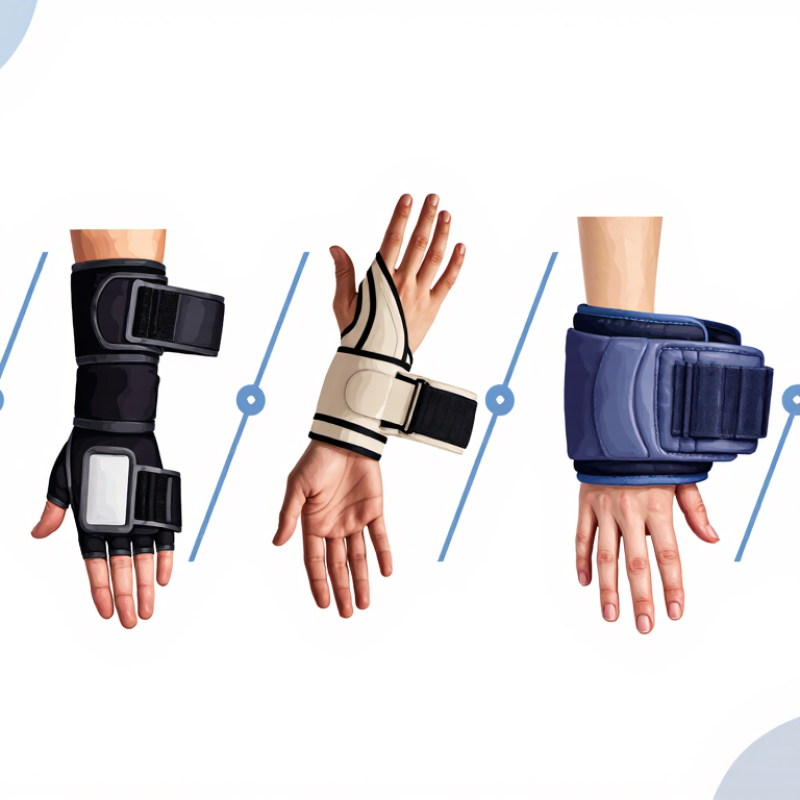
Soft compression braces provide warmth and light support, but do not immobilize the wrist. Rigid wrist-hand braces restrict bending after certain injuries or procedures, when a clinician recommends them. Thumb-spica braces stabilize the thumb and wrist, and may suit some thumb tendon problems or sprains.

Fit should feel snug, never numb or throbbing. More support is not always better; this is easy to overlook.

Tips: Check skin and finger color after fitting. Loosen the straps if tingling, swelling, or cold fingers appear. Follow a clinician’s wear schedule, and seek assessment for persistent numbness, weakness, or worsening pain—not a tighter brace.

How to Choose a Wrist Brace for Your Needs

Choosing a wrist brace starts with the problem, not the product style. A neutral-position wrist splint may help people with carpal tunnel symptoms, especially overnight, by limiting wrist bending. The National Institute of Neurological Disorders and Stroke estimates that carpal tunnel syndrome affects about 3–6% of adults. That figure describes a condition, not everyone who needs a brace. A recent injury, persistent numbness, or weakness deserves clinical assessment before relying on support alone.

For a mild sprain, a removable brace with adjustable straps can offer support while leaving the fingers free. Thumb-spica designs also limit thumb movement, so they may suit some thumb-side wrist problems—but the right choice depends on diagnosis. The 2024 American Academy of Orthopaedic Surgeons carpal tunnel guideline emphasizes evidence-based, condition-specific care; a brace is not a universal fix. Check the fit: fingers should remain warm and normally colored, with no tingling from pressure. Too tight? Loosen it. Too loose, and it may slide during daily tasks. Try fastening it while holding a mug or typing; comfort at rest can be misleading. And honestly, people sometimes wear braces longer than needed. Ask a qualified clinician how long to use one, particularly if symptoms worsen or do not improve.

How to Check Fit, Comfort, and Daily Usability

Wrist braces range from soft compression sleeves to adjustable wraps and rigid splints. A rigid splint can limit movement more, while a softer brace may feel easier during light tasks. The best option depends on why you need support and how you use your hand. More support is not always better.

Check the fit with your wrist in a relaxed, neutral position. Straps should feel secure, not tight; you should be able to slide a fingertip beneath them. Watch for numbness, tingling, swelling, or color changes in your fingers. Those are signs to loosen or remove the brace and seek medical advice if they continue. Small details matter. Seams can rub near the thumb, and a bulky edge may catch on a sleeve or desk.

Try ordinary tasks before relying on a brace for a full day: typing, holding a cup, and fastening a coat. Notice whether it stays in place and whether you can move your fingers comfortably. I would not judge comfort from a quick try-on alone; heat and pressure may build after an hour. Check the skin after taking it off, and follow a clinician’s guidance if the brace is for an injury or ongoing pain.

2026 Top Wrist Brace Types Which One Is Best? - How to Check Fit, Comfort, and Daily Usability

Brace type Typical design Often considered for How to check the fit Comfort and daily usability Key limitation
Elastic wrist sleeve Stretch fabric that covers the wrist and provides light compression, usually without rigid supports. Light support during routine activities or exercise when a clinician has not recommended a rigid brace. It should feel snug but not constricting. Check that the fabric does not bunch, roll, or leave persistent deep marks. Usually low-profile and easy to wear under loose clothing. Finger movement is generally unrestricted. Offers little motion restriction; it may not provide enough support for an injury that needs immobilization.
Adjustable wrist wrap A strap or wrap that fastens around the wrist, allowing the wearer to adjust compression and support. Activities where adjustable support is preferred, provided the wrap is suitable for the person’s condition. Fasten it evenly and securely without overtightening. Make sure the hand stays warm and normally colored, with no tingling or numbness. Support can be adjusted as needed; straps may be easier to put on than a close-fitting sleeve. Too much tension can cause discomfort or affect circulation. It may loosen or shift during repeated movement.
Wrist splint (cock-up style) A brace with a rigid or semi-rigid support that commonly holds the wrist near a neutral, straight position; fingers remain free. Situations where limiting wrist bending is recommended, including some cases of wrist irritation or recovery after assessment. The support should follow the palm and forearm without pressing sharply into either. Confirm that the wrist is held comfortably and straps do not pinch. Can provide more motion control than a soft sleeve. Bulk and reduced wrist movement may make some tasks less convenient. Not every wrist problem needs immobilization. Follow professional advice on how long and when to wear it.
Thumb spica brace Supports the wrist and includes a section around the thumb to limit some thumb movement; designs vary in how much of the wrist they cover. Some thumb-base or thumb-side wrist problems when thumb support is specifically appropriate. Check that the thumb is supported without being squeezed and that the brace does not rub between the thumb and index finger. May help restrict unwanted thumb motion, but can make gripping, fastening buttons, and handling small objects harder. It restricts more than the wrist alone. The correct design depends on the location and cause of symptoms.
Soft wrist-and-thumb support A flexible fabric brace with a thumb opening or light thumb panel, typically less rigid than a spica splint. People seeking light support around both the wrist and thumb, if appropriate for their needs. Check that the thumb opening does not pull on the web between the thumb and index finger and that the wrist panel stays in place. Often more flexible for everyday wear than a rigid thumb spica, though fabric can feel warm during prolonged use. Provides less motion restriction than a rigid splint and may not suit conditions requiring firm thumb stabilization.

Fit and safety check: A brace should not cause increasing pain, numbness, tingling, unusual swelling, or fingers that become pale, blue, or cold. Loosen or remove it and seek medical advice if these occur. For a new injury, persistent symptoms, or uncertainty about brace type or wear time, consult a qualified health professional.

When to Seek Professional Advice About Wrist Braces

A wrist brace can reduce strain while you work, sleep, or recover, but the right type depends on the cause of your symptoms. A soft wrap allows more movement; a rigid brace limits it. Fit matters. If the brace causes tingling, numbness, skin rubbing, or fingers that look pale or blue, loosen or remove it and seek medical advice. A brace can feel reassuring, but reassurance alone does not show that it is helping.

Ask a doctor, physiotherapist, or other qualified clinician if pain persists, keeps returning, or interferes with gripping a cup or turning a door handle. Get advice before using a brace for a child, or if you have diabetes, reduced sensation, or circulation problems. After a fall or sudden twist, seek an assessment when swelling or pain is significant, or movement is limited. A brace may hide symptoms without treating the underlying injury.

Seek urgent care after an injury if the wrist looks deformed, pain is severe, or the fingers become numb, cold, or discolored. Do not force the wrist into a brace. A clinician can check movement and sensation, then recommend whether a removable support, a thumb-supporting brace, or another option is appropriate. Bring the brace to your appointment if you have one; its pressure points may be easier to spot in person.

2026 Top Wrist Brace Types: Which One Is Best?

Typical body areas supported by common wrist brace types

How to read this chart: Counts refer to the main anatomical areas a brace is designed to support or limit—not how effective it is. A compression sleeve, wrist wrap, or wrist splint typically targets the wrist; a thumb-spica brace typically supports the wrist and thumb. The best choice depends on the affected area and the reason for wearing a brace.

When to seek professional advice: Get medical guidance for severe pain, a visible deformity, significant swelling, numbness or tingling, or symptoms that persist or worsen. A clinician can help identify the cause and recommend an appropriate brace and fit.