
How to Choose the Right Professional Brace?

Choosing the right professional brace is not a simple matter of size, color, or price. It is a clinical decision shaped by pain, movement, injury history, and daily demands. The World Health Organization reports that musculoskeletal conditions affect approximately 1.71 billion people worldwide. That figure includes back pain, osteoarthritis, and many mobility-related disorders. Behind every statistic is a practical moment: a swollen knee on a staircase, a weak wrist during work, or an ankle that feels unstable after practice.

A qualified brace professional should assess the body part, intended activity, pressure points, and required range of motion. The American Academy of Orthopaedic Surgeons emphasizes that support devices can assist recovery and stability, but they do not replace diagnosis or rehabilitation. Industry analyses, including reports from Grand View Research, also show continuing demand for orthopedic braces and supports as aging populations and sports participation increase. Growth alone does not prove that every product works equally well. That part deserves caution.

Material matters. A rigid hinge may control movement, while breathable fabric may improve comfort during long wear. Poor fit can cause slipping, skin irritation, or false confidence. The U.S. Food and Drug Administration advises consumers to follow product instructions and seek professional guidance when medical devices are involved. Still, guidance is not always perfect. Measurements can change with swelling, and real-life movement may expose problems that a store fitting misses. The best choice combines verified specifications, professional evaluation, personal comfort, and honest follow-up. A brace should support the person, not merely match the product description.
How to Choose the Right Professional Brace?

Understanding the Purpose and Types of Professional Braces

How to Choose the Right Professional Brace?

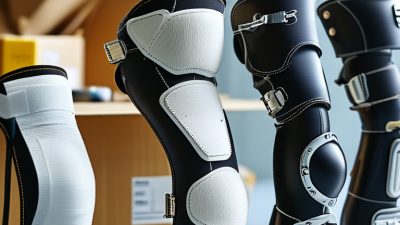
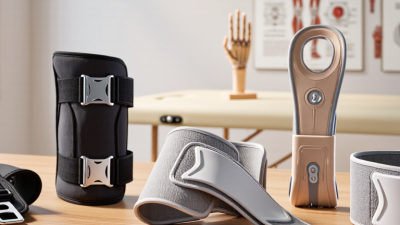
A professional brace should match the body part, injury, and treatment goal. Its purpose may be protection, compression, alignment, or controlled movement. Common types include knee stabilizers, spinal supports, ankle orthoses, wrist splints, and postoperative immobilizers. Custom braces suit complex movement problems or unusual body shapes. Prefabricated braces can work for mild, short-term support.

The World Health Organization reports that low back pain affected 619 million people in 2020, with cases projected to reach 843 million by 2050. This shows the need for careful assessment, not automatic bracing.

Tips: Ask a licensed clinician to check fit, skin pressure, circulation, and movement. A brace should feel secure, never numb. Match the design to the task. A rigid knee brace may protect healing tissue, while a flexible sleeve may support light activity. Check whether the brace allows normal muscle use. More support is not always better. Evidence for some pain conditions remains mixed, and a brace cannot replace rehabilitation. The Cochrane evidence on knee braces for osteoarthritis has reported uncertain benefits, so expectations should stay realistic.

Measure the intended area while relaxed. Wear the brace briefly before longer use. Watch for redness lasting beyond twenty minutes, swelling, or tingling.

I would not choose by appearance alone. Comfort, medical purpose, and movement control matter more. Small fitting errors can become large daily problems. Consult the fitting instructions and arrange professional review when symptoms change.
Assessing Your Support, Protection, and Mobility Needs

Choosing a professional brace starts with your actual support, protection, and mobility needs. The World Health Organization reports that musculoskeletal conditions affect about 1.71 billion people worldwide (WHO, 2022). That figure is broad, but your decision should be specific. Note when pain appears, such as during stairs, lifting, or a long shift. Record swelling, weakness, giving-way, and numbness. These details help a clinician distinguish stability needs from simple comfort.

Protection matters after injury, during recovery, or when a joint faces repeated impact. A rigid brace may limit harmful movement, while a flexible design can preserve useful mobility. The right level depends on diagnosis, tissue healing, activity, and circulation. The Centers for Disease Control and Prevention estimated that 20.9% of U.S. adults had chronic pain in 2021. However, pain alone does not prove that stronger support is better. More restriction can reduce confidence, muscle use, and natural movement.

Fit is practical, not cosmetic. Check whether the brace stays aligned while walking, squatting, or reaching. Look for cold skin, tingling, pressure marks, or slipping. Stop and seek professional advice if these appear. An orthotist, physiotherapist, or qualified clinician can assess joint motion and adjust the device. A brace should support rehabilitation, not replace it. That is easy to forget. Even professional guidance has limits when symptoms change, and reassessment may be necessary. Personally, I would question any brace that promises stability without examining movement, diagnosis, and daily demands.

How to Choose the Right Professional Brace?

Compare brace types by their typical balance of support, protection, and mobility. Scores use a practical 1–5 scale: higher scores indicate greater emphasis on that function.

Soft sleeves generally prioritize mobility and compression, hinged braces provide a balance of movement and joint control, and rigid immobilizers provide the highest restriction and protection when movement must be limited. The appropriate choice depends on the body area, injury stage, stability requirements, and guidance from a qualified healthcare professional.

Comparing Materials, Fit, Comfort, and Adjustability

How to Choose the Right Professional Brace?

Material affects support, heat, and skin comfort. Neoprene feels flexible but may trap sweat during long wear. Breathable knitted fabrics suit active users and sensitive skin. Rigid thermoplastic shells provide stronger control, especially after specific injuries. However, stronger does not always mean better. A qualified clinician should match the material to your condition, activity, and recovery stage.

Fit matters more than appearance. Measure the recommended body area while standing naturally. The brace should feel secure without causing numbness, sharp pressure, or color changes. Check the edges after ten minutes of movement. They should not roll, pinch, or leave deep marks. Adjustability is equally important. Wide straps, reliable closures, and hinged sections allow small corrections throughout the day. I used to think a tight brace offered better protection, but excessive pressure can reduce comfort and discourage regular use.

Tips: Wear the brace over clean, dry skin unless your clinician advises otherwise. Test it briefly before a full workday. Check for redness after removal. If pain, swelling, or numbness continues, stop using it and seek professional advice. Fit can change as swelling changes. Recheck it.

Checking Safety, Quality, and Professional Recommendations

Choosing a professional brace should begin with safety, not appearance. A secure brace fits firmly without cutting circulation or causing numbness. Check your skin regularly, especially during the first hour of wear. Redness that remains after removal deserves attention. So do swelling, tingling, or unusual pain. A brace should support movement, not replace a clinical diagnosis. My own judgment can be unreliable here. Discomfort may signal poor fit or a condition needing assessment.

Quality appears in practical details. Look for durable stitching, smooth edges, breathable materials, and closures that stay secure during movement. The support should match the body area and intended activity. A knee brace for walking may not suit sport or injury recovery. Instructions should explain sizing, cleaning, wearing time, and warning signs clearly. Vague instructions are concerning. Independent testing or recognized medical guidance can add confidence, but no certificate guarantees a perfect personal fit.

Tips: Ask a physiotherapist, doctor, or qualified orthotist to review your needs. Bring the brace to the appointment if possible. Mention your symptoms, activity level, allergies, and previous injuries. Try several movements, such as sitting, climbing stairs, or gripping. Check that straps do not loosen. Do not tighten the brace simply to feel more supported. That habit can backfire. Reassess the fit after swelling changes or repeated use, because yesterday’s comfortable brace may feel restrictive today.

Choosing, Using, and Maintaining Your Brace Properly

How to Choose the Right Professional Brace?

Choosing, Using, and Maintaining Your Brace Properly

A professional brace should match your injury, movement needs, and daily routine. Ask a qualified clinician to assess your condition before choosing one. The right fit supports the affected area without causing numbness, sharp pressure, or skin discoloration. Bring your usual shoes and clothing to the fitting. Small details matter. A brace that fits well while standing may shift during stairs, work, or exercise.

Use the brace exactly as instructed. Tighten each strap gradually, rather than pulling everything at once. Check your skin after the first 15 to 30 minutes. Red marks that fade quickly may be normal, but painful spots need attention. Stop using the brace and seek professional advice if swelling, tingling, weakness, or unusual pain appears. Do not cut, heat, or reshape the brace without approval. That shortcut can reduce its support.

Maintenance protects both comfort and function. Follow the cleaning instructions, use mild soap when permitted, and let the brace dry completely away from direct heat. Damp padding can irritate skin and develop an unpleasant odor. Inspect stitching, hinges, fasteners, and elastic sections every few days. I would not rely on appearance alone; weakened materials can fail quietly. Record when discomfort occurs, including the activity and wearing time. This information helps a clinician adjust the brace more accurately. Even a well-made brace may need refitting as swelling, strength, or movement changes.

How to Choose the Right Professional Brace? - Choosing, Using, and Maintaining Your Brace Properly

Brace Type Common Purpose Typical Support Level Key Selection Factors Proper Use Maintenance Guidance When to Seek Professional Advice
Knee Sleeve Provides light compression, warmth, and proprioceptive support during everyday activity or exercise. Light Correct knee circumference, comfortable stretch, breathable fabric, and no restriction of circulation. Wear during activities that cause mild discomfort or when additional warmth is helpful. It should not roll tightly behind the knee. Wash according to the care label, usually with mild detergent and cool water. Air-dry completely before reuse. Persistent swelling, locking, instability, significant pain, or symptoms following a major injury.
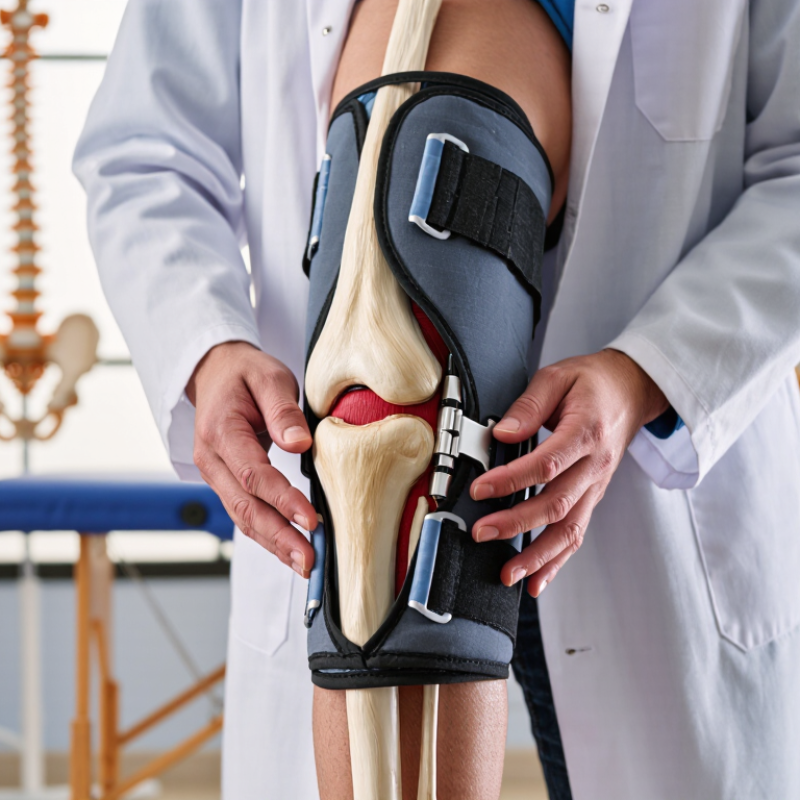
Hinged Knee Brace Supports the knee and helps limit unwanted side-to-side movement after certain injuries or during rehabilitation. Moderate to firm Hinge alignment with the knee joint, secure straps, leg measurements, and the guidance of a qualified clinician. Position the hinges level with the knee joint. Tighten straps evenly without causing numbness, tingling, discoloration, or increased pain. Inspect hinges, straps, stitching, and padding regularly. Remove dirt from moving parts and keep the brace dry. Suspected ligament injury, worsening instability, reduced sensation, skin damage, or swelling that increases while wearing it.
Ankle Stabilizing Brace Helps limit excessive ankle rolling and may support recovery after a sprain. Moderate Injury side, shoe compatibility, ankle circumference, heel fit, and the required range of motion. Wear with an appropriate shoe when recommended. Check that the heel is seated properly and that straps remain secure during movement. Clean removable liners as directed. Allow fabric and padding to dry fully; replace worn straps or compressed padding. Inability to bear weight, severe swelling, deformity, persistent pain, or suspected fracture.
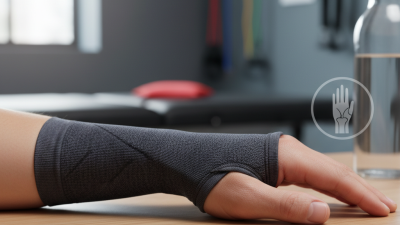
Wrist Support Limits uncomfortable wrist movement and supports the wrist during selected daily tasks or rehabilitation. Light to moderate Whether the thumb is included, the desired wrist position, hand dominance, size, and task-specific mobility needs. Keep the wrist in a neutral or clinician-recommended position. Remove periodically to inspect the skin unless continuous wear has been specifically prescribed. Wash fabric components as instructed and check splints for sharp edges, cracks, or changes in shape. New weakness, persistent numbness, severe swelling, loss of grip, or pain that spreads into the arm.
Thumb Spica Brace Restricts thumb movement while allowing selected finger motion for certain thumb or wrist conditions. Moderate Thumb length, hand size, required thumb restriction, comfort around the base of the thumb, and daily hand function. Place the thumb in the intended position and fasten without excessive pressure. Confirm that fingers remain warm and normally colored. Clean and dry the brace regularly. Check the thumb opening and edges for friction or pressure points. Increasing pain, loss of sensation, blue or pale fingers, marked swelling, or inability to move unaffected fingers.
Elbow Counterforce Strap Redistributes force around the forearm muscles and may reduce strain during repetitive activities. Light Correct position below the elbow joint, strap width, adjustability, activity demands, and comfort during gripping. Place it on the forearm muscles as directed rather than directly over the elbow tip. Use it with activity modification and suitable exercises when advised. Hand-wash or wipe according to the care label. Replace it if the strap loses elasticity or no longer stays in position. Pain after an acute injury, significant swelling, weakness, numbness, or symptoms that do not improve with appropriate rest.
Lumbar Support Brace Provides temporary external support and may encourage awareness of posture during selected activities. Light to firm Medical purpose, waist measurement, sitting and standing requirements, breathable materials, and professional fitting when needed. Use for the duration recommended by a healthcare professional. Avoid fastening so tightly that breathing, movement, digestion, or circulation is affected. Clean regularly, inspect fasteners and panels, and allow the brace to dry completely. Do not share a fitted brace. Back pain with leg weakness, numbness in the saddle area, loss of bladder or bowel control, fever, or pain after serious trauma.
Cervical Collar Limits neck movement in specific situations when prescribed by a qualified healthcare professional. Firm Neck height, jaw and chin support, airway comfort, correct alignment, and the exact duration of prescribed use. Use only according to professional instructions. Keep the head and neck aligned; do not adjust or discontinue a prescribed collar without advice. Keep skin-contact surfaces clean and dry. Inspect for pressure areas and ensure fasteners remain functional. Neck injury, worsening pain, difficulty breathing or swallowing, arm weakness, numbness, or new balance problems.
Walking Boot Protects the foot and ankle and may limit movement during recovery from selected injuries or procedures. Firm Weight-bearing instructions, foot length and width, swelling changes, sole stability, and clinician-prescribed duration. Follow weight-bearing instructions exactly. Use recommended footwear on the other foot to reduce height imbalance, and check skin daily. Clean the shell and liner as directed. Inspect the sole, air cells, straps, and liner; never use damaged components for protection. Increasing pain or swelling, cold or discolored toes, skin breakdown, calf pain, chest pain, or shortness of breath.
Postoperative or Custom Orthosis Provides condition-specific positioning, protection, or controlled motion after surgery or for complex musculoskeletal needs. Customized Prescription requirements, anatomy, surgical precautions, alignment, adjustment range, and follow-up schedule. Use only as fitted and instructed. Do not reshape, modify, or add padding unless the fitting professional approves the change. Follow the specific cleaning and inspection plan. Arrange adjustment if swelling changes, pressure develops, or the brace no longer fits correctly. Any unexpected increase in pain, wound drainage, skin breakdown, circulation changes, or a brace that interferes with the prescribed recovery plan.
General safety note: A brace should support an appropriate treatment plan, not replace diagnosis or rehabilitation. Stop using it and seek qualified medical advice if it causes persistent pain, numbness, tingling, skin injury, unusual swelling, or changes in circulation.