

A braces head can look simple in a product photo. In procurement, the details behind that image matter: dimensions, material, finish, tolerances, and fit with the intended assembly. A low unit price may lose its appeal when samples vary or cartons arrive poorly protected. Small details matter.
Global sourcing also depends on freight conditions. UNCTAD’s Review of Maritime Transport 2024 reported that maritime trade grew by 2.4% in 2023, while noting continuing disruption and uncertainty across shipping routes. This is transport context, not a braces-head market estimate. It is still useful for buyers comparing lead times, delivery terms, and backup suppliers. Ask for current production schedules, clear inspection records, and written specifications. Then compare quotations on the same basis.
Quality needs shared responsibility. Manufacturing quality expert W. Edwards Deming is widely associated with the principle, “Quality is everyone’s responsibility.” Applied to braces head purchasing, that means checking more than a supplier’s brochure. Review samples, confirm measurement methods, and keep approval records tied to the purchase order. A polished sample is not proof of consistent production. Nor does a long checklist guarantee a good result; some requirements may need rethinking after real-world use. The following seven tips help global buyers ask sharper questions, reduce avoidable surprises, and build a more dependable sourcing process.
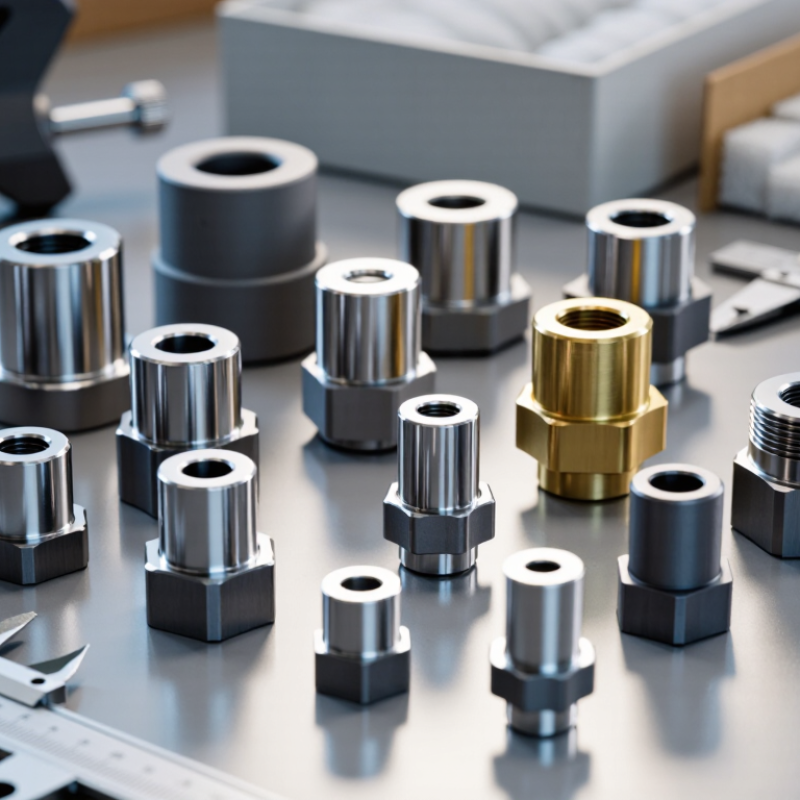
A brace head is the connection point between a brace and a frame, post, or anchoring surface. It helps transfer force through the bracing system while keeping connected parts aligned. Designs vary: some use a pin, while others rely on bolts or a shaped bearing face. The right choice depends on the brace profile, connection geometry, and specified loads. A close visual match is not enough.
Tips: Check the head’s dimensions against the brace and mating connection. Look for clear markings, sound welds, and undamaged bolt holes. During fitting, confirm that contact surfaces sit flat and fasteners align without force. Stop if parts bind.
For global purchasing, request drawings and material details, then compare them with the project specification. Confirm how the supplier defines load capacity; test conditions and safety factors can differ. Also check corrosion protection for the expected environment, especially where moisture may collect around joints. I have seen fit-up assumptions cause delays, so verify measurements before shipment. That step is easy to overlook. A qualified engineer should review the connection where loads or site conditions are uncertain.

Brace head designs vary with the bracing system and the load path. Fixed heads suit repetitive layouts where members meet at one angle. Swivel heads allow angled connections, useful on uneven façades or temporary frames. Fork or U-head designs support timber beams or closely spaced members, while plate-style heads offer a flatter bearing surface. Names are not always consistent between suppliers, so compare drawings and connection details, not labels alone.
Material affects handling, durability, and capacity. Steel heads are typically chosen for demanding site conditions; inspect welds, pins, and coating for damage or corrosion. Aluminum is lighter to carry, but its permitted load depends on the design and alloy. A thicker-looking part is not automatically stronger. Ask for rated-load data, test documentation, and compatible brace dimensions before ordering. A few millimeters of mismatch can make installation awkward.
Match the head to the application: façade bracing, temporary shoring, or beam support each creates different forces. Check whether the head is designed for compression, tension, or both, and confirm how it locks in place. On site, dirt around a pin hole can slow assembly. Small detail, real nuisance. One assumption deserves a second look: a universal-fit claim may not cover every brace length, angle, or local setup. Review samples against your drawings before a large purchase.
Scores are a qualitative selection guide (1 = limited fit, 5 = strong fit), not load ratings or test results. Head designs and materials vary by product; galvanized or painted steel is common, while aluminum is used in some systems. Confirm the manufacturer’s rated capacity, applicable standards, and system compatibility before purchase.
Before ordering a brace head, compare the drawing with the actual connection points. Record tube diameter, pin diameter, hole spacing, bearing width, and the head’s orientation. A two-millimetre mismatch can prevent a pin from seating fully. Small gaps matter. Check whether the stated load is working load or ultimate capacity; they are not interchangeable. OSHA’s scaffold standard requires scaffolds and components to support their own weight and at least four times the maximum intended load (29 CFR 1926.451(a)(1)). That factor is not a substitute for verifying the rating of a specific brace-head assembly.
Compatibility needs more than matching dimensions. Confirm material, connection type, brace angle, and clearance against the receiving frame. Ask for the test basis, rated-load documentation, and installation limits, then compare these with the project drawings. OSHA’s scaffolding guidance reports that about 2.3 million construction workers use scaffolds, underscoring how consequential component fit and inspection can be. Do not guess. A less obvious issue is coating or corrosion: either can affect seating and inspection, yet buyers sometimes overlook it. If a supplier’s drawing omits tolerances or load conditions, pause and request clarification rather than assuming parts from different systems will fit safely.
When sourcing brace head components, assess the supplier’s process, not just the quoted price. Request a current drawing, material specification, and sample before approving production. Ask how the supplier controls dimensions and identifies production batches. Check that measurement tools are calibrated and inspection records can be shared. Small details matter. A clean sample is reassuring, but it does not prove every batch will match.
Agree on critical dimensions and acceptable surface conditions in writing. During inspection, measure several pieces from different cartons, using suitable gauges and a clear sampling plan. If the part carries a load, define any performance tests with a qualified technical partner before ordering. For each shipment, request an inspection report, material documents, and batch identification that match the goods received. Keep the approved drawing and sample reference with those records. Paperwork can look complete while describing an earlier revision, so compare dates and part details carefully. Even careful checks can miss defects; use findings from each order to improve the next inspection plan.
When sourcing brace heads internationally, compare the full delivered cost, not just the unit price. Request a written quotation that separates product cost, packaging, freight, insurance, and any applicable import charges. A small sample may ship cheaply, while a pallet can change the freight calculation. Check dimensions, material, finish, and tolerances against your actual assembly needs. Ask for a drawing or inspection record where appropriate. The first quote is rarely the full cost. I would leave a modest budget buffer; estimates can be wrong.
Tips: Confirm the currency and quote validity period. Ask who arranges export documents and whether shipping is door-to-door or port-to-port. Get the proposed customs product classification reviewed by a qualified customs broker before ordering. Don’t rely on a supplier’s estimate of duties; rates and procedures depend on the destination and product details.
Before payment, agree on lead time, packaging protection, and how shortages or transit damage will be documented. For after-sales support, confirm the contact channel, response expectations, and what evidence is needed for a replacement or credit. Keep invoices, packing lists, inspection photos, and written agreements together. They make problems easier to explain. Support can be slower across time zones, so clarify the process before shipment. One detail buyers sometimes miss: replacement parts may involve another shipping charge, even when the original order arrived promptly.
| Tip | Planning Area | What to Confirm Before Ordering | Cost, Shipping, or Customs Check | After-Sales Support |
|---|---|---|---|---|
| 1 | Define the product specification | Confirm the braces head’s intended use, dimensions, materials, compatibility requirements, included accessories, and any drawings or reference samples. | Request a written quotation that separates the product price, tooling or customization charges, packaging, and any minimum-order quantity. | Agree on the process for approving samples or pre-production specifications before the order is manufactured. |
| 2 | Calculate the full landed cost | Compare quotations on the same specification, quantity, packaging, delivery destination, and named Incoterms® rule. | Budget for the product, freight, insurance if required, import duty, taxes, customs-broker fees, and local delivery. These amounts depend on the destination and shipment details. | Include possible costs for replacement parts, technical assistance, or return shipping when assessing the total purchase cost. |
| 3 | Choose shipping to match the schedule | Confirm the shipping origin, destination, cargo dimensions and weight, dispatch date, and whether the goods can be consolidated. | Air freight is generally faster and often more expensive than ocean freight; request current, route-specific transit estimates and clarify whether they include customs clearance and final delivery. | Ask for shipment tracking, a named contact for delays, and the procedure for reporting visible transport damage. |
| 4 | Verify customs requirements early | Obtain an accurate product description, country-of-origin information, commercial invoice, packing list, and any required certificates or permits. | Confirm the tariff classification with the relevant customs authority or a qualified customs broker. Duty rates and import taxes vary by product classification and destination country. | Keep copies of customs documents and confirm who will correct or provide missing paperwork if a shipment is held. |
| 5 | Clarify delivery terms and risk | State the agreed Incoterms® rule, named place or port, delivery responsibilities, and the point at which risk transfers. | Do not assume that “shipping included” means import duty, taxes, customs clearance, or final-mile delivery are included. Check the written quotation and sales contract. | Document responsibility for loss, damage, or delivery exceptions and identify the party that will submit any carrier claim. |
| 6 | Inspect goods and set acceptance criteria | Agree on measurable checks such as dimensions, material, finish, quantity, packaging condition, and compatibility with the intended assembly. | Consider whether pre-shipment inspection is appropriate for the order. Define the inspection scope, timing, and responsibility for any inspection costs in advance. | Record defects with photographs and batch or order references, and notify the seller within the agreed inspection period. |
| 7 | Agree on warranty and support | Obtain written warranty terms, exclusions, coverage period, and any maintenance or storage requirements before placing the order. | Check whether replacement parts, repairs, or returns involve additional freight, customs charges, or local service costs. | Confirm support contact details, response process, spare-part availability, and how warranty claims will be handled across borders. |
| Planning note: Freight quotes, transit times, customs classifications, duty rates, taxes, and documentation requirements vary by route, product details, and destination. Verify current requirements with the carrier, customs broker, and relevant local authorities before shipment. | ||||
|
This is a medical device. |