Top China Wrist Compression Products for Global Buyers?
The global market for wrist compression products has seen significant growth recently, driven by increasing awareness of sports injuries and chronic pain. A report published by Grand View Research estimates that the market is expected to reach over $3 billion by 2027. This surge indicates rising demand from athletes and individuals seeking pain relief.
Wrist compression aids in recovery and injury prevention. These products are essential for athletes engaged in high-impact sports. They also cater to professionals experiencing repetitive strain injuries. The effective use of wrist compression can improve circulation and reduce swelling. In contrast, not all products on the market provide the same level of comfort or efficacy, which raises questions about quality and standards.
Understanding the best options available is crucial for informed purchasing decisions. Global buyers should assess both functionality and comfort when selecting wrist compression products. While many brands claim to offer superior support, it is essential to rely on actual user experiences and expert reviews. With an increasingly crowded marketplace, discerning the best wrist compression solutions requires careful consideration of product details and industry standards.
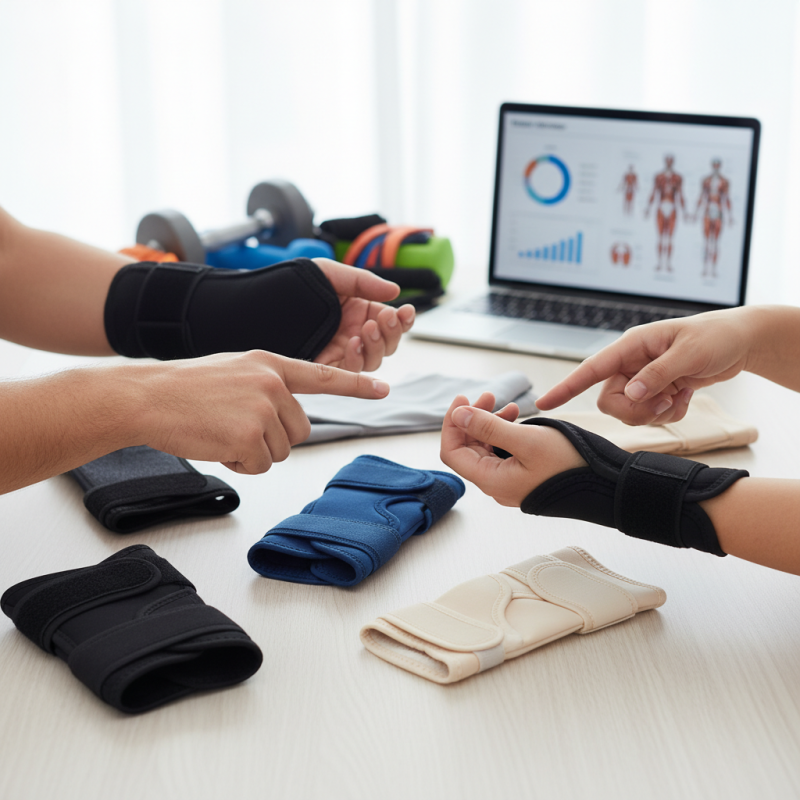
Overview of Wrist Compression Products in China
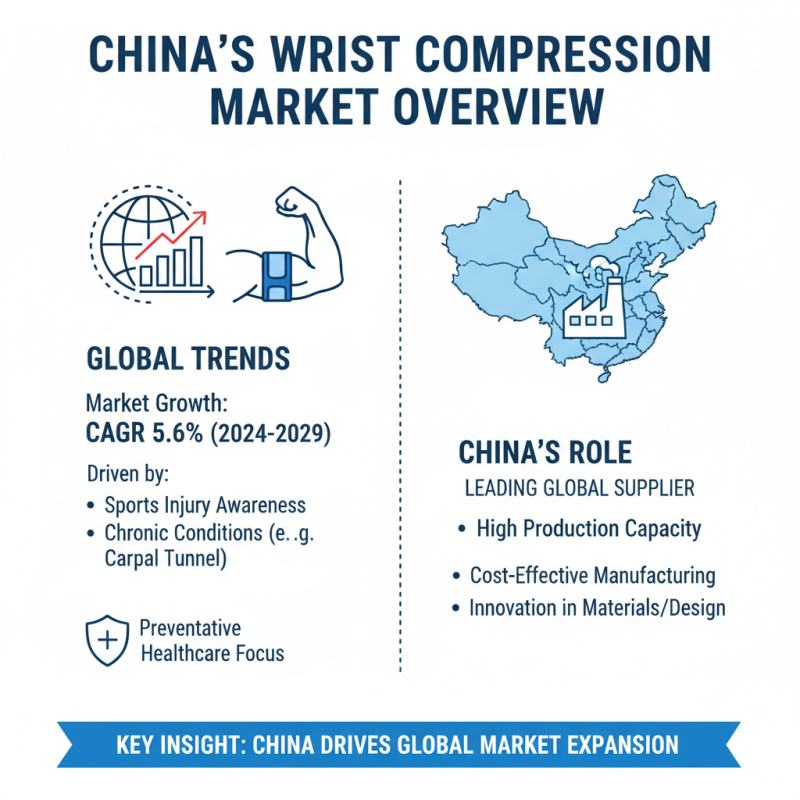
Wrist compression products have gained notable traction in the global market, particularly from China. With rising awareness of sports injuries and chronic conditions, demand for these products has surged. According to a recent market analysis, the global wrist compression market is projected to grow at a CAGR of approximately 5.6% over the next five years. This growth can be attributed to the increasing focus on preventive healthcare.
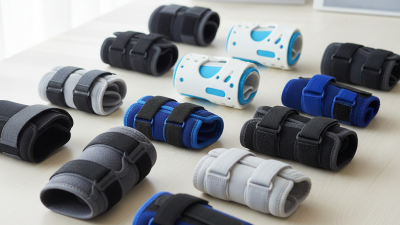
In China, numerous manufacturers produce wrist compression gear that targets various user needs. These products range from basic wraps to advanced compression sleeves. The design often includes breathable materials and adjustable tightness. Some reports suggest that about 72% of users experience relief from wrist pain when using compression gear regularly. Yet, there are products that may lack proper regulatory certifications, raising concerns about quality and effectiveness.
Understanding consumer preferences in wrist compression is crucial. Users often seek products that allow for mobility while providing adequate support. However, not all products are created equal. The vast selection can lead to confusion about what truly works. Buyers should research before making purchases. Current insights show that more than 40% of users are unhappy with incorrect sizing or inadequate support. Ensuring proper fit is essential for optimal results.
Key Features of Effective Wrist Compression Wear
Wrist compression products are essential for those who engage in repetitive motions or sports. Effective wrist compression wear provides support and alleviates pain. When looking for the right features, consider the material first. Breathable fabrics ensure comfort during long use. They should also offer moisture-wicking properties to keep the skin dry.
Adjustability is another key aspect. A good product must fit snugly without being overly tight. Look for designs that allow for easy adjustments. This helps create just the right amount of compression needed for various activities. Some users might find it challenging to get the fit right initially. Taking time to adjust helps avoid discomfort during prolonged wear.
Reinforced stitching enhances durability. This is vital for those using these products regularly. It’s not uncommon for wearers to experience deterioration over time. An effective solution is to choose compression wear with a reputation for resilience. Users should also be aware of the potential for skin irritations. Testing different products can help identify what works best for each individual.
Popular Brands and Manufacturers in China
When exploring wrist compression products, it’s essential to focus on the manufacturers and brands leading the market in China. Recent reports show a steady growth in the wrist support market, indicating a greater demand among global consumers. Data indicates that the global orthopedic brace market is expected to reach over $7 billion by 2025. This growth is driven by an aging population and increased sports participation.
Several manufacturers in China are gaining recognition for their reliable products and innovative designs. Their ability to produce high-quality, affordable wrist compression items has made them popular among international buyers. Companies are increasingly prioritizing material quality and ergonomic designs in response to consumer needs. This trend has led to the development of products that not only provide support but also enhance mobility.
Tips for buyers:
- Research a manufacturer’s compliance with international standards.
- Look for certifications related to quality and safety.
- Consider sample testing products.
- Observing user feedback on various platforms can provide valuable insights.
It’s crucial to weigh both positive and negative reviews carefully to understand product reliability. Gathering information transparently can significantly aid in making informed purchasing decisions.
Market Trends and Buyer Preferences Globally
The wrist compression market is witnessing changing trends, influenced mainly by buyer preferences. Consumers increasingly prioritize comfort, materials, and design. Many buyers prefer breathable fabrics that offer both support and flexibility. A focus on lightweight materials is evident. This shift highlights the growing demand for versatile products suitable for various activities.
Sustainability has also emerged as a significant factor. Eco-friendly production methods are gaining traction among purchasers. Shoppers now seek products made from recycled or organic materials. This awareness reflects a broader consumer movement toward sustainability across industries. However, not all manufacturers have adapted to these preferences, leading to gaps in the market.
There's a noticeable shift toward customizable options. Buyers appreciate the ability to tailor products to their needs. While these features are attractive, they often come with higher price points. Not everyone can afford such options, which may lead to potential dissatisfaction. Addressing inclusivity in pricing could enhance market reach and consumer happiness.
Tips for Selecting the Right Wrist Compression Product
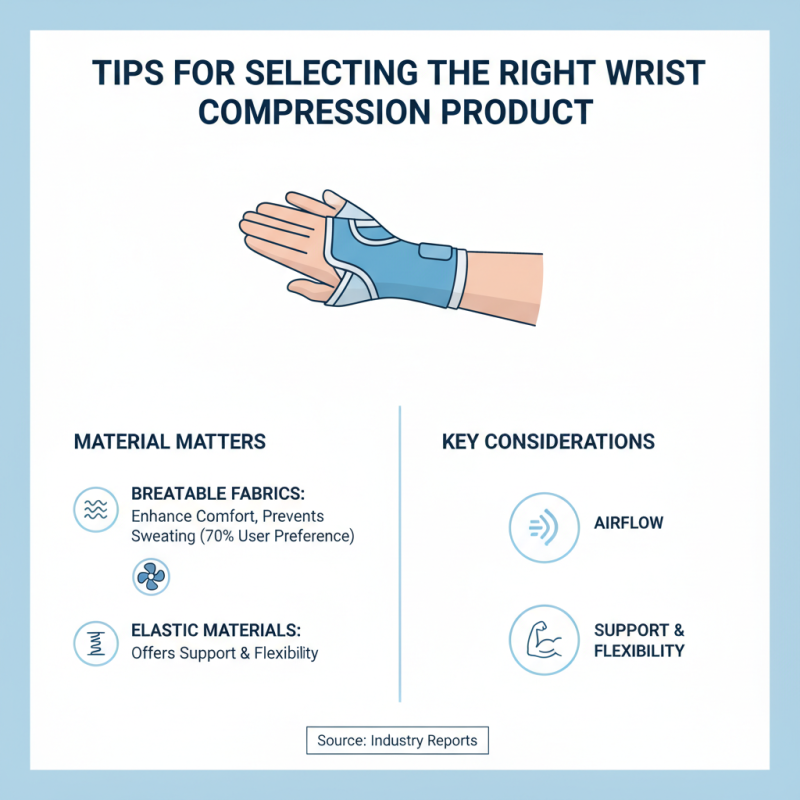
When choosing a wrist compression product, consider the material. Breathable fabrics enhance comfort, especially during extended wear. Elastic materials offer better support while being flexible. According to industry reports, nearly 70% of users prefer designs that promote airflow to avoid excessive sweating.
Sizing is crucial for effectiveness. An ill-fitting product can lead to discomfort, and potentially exacerbated conditions. Studies indicate that 50% of users experience reduced effectiveness due to improper sizing. Measure the wrist circumference accurately before making a selection. Most products have sizing charts available, which can guide buyers.
Finally, take note of user reviews and expert recommendations. About 80% of buyers consult reviews to gauge the product's performance. Look for feedback on durability and comfort levels. It's vital to choose a reputable vendor to ensure quality. Remember, every individual's needs may vary significantly, and listening to user experiences can lead to a more informed purchase.