
What Are Head Braces and What Types Are Available?

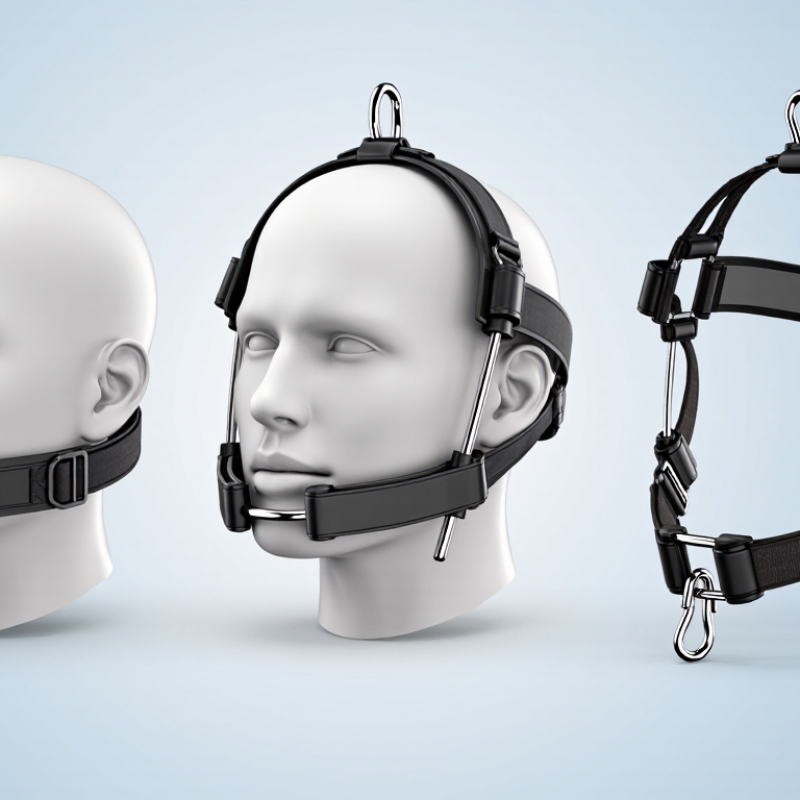
“Head braces” is the familiar search term for orthodontic headgear: an appliance that uses force from outside the mouth to guide tooth position or jaw growth. It is not one single device. The term may describe cervical-pull headgear, high-pull headgear, or a reverse-pull facemask, each designed for different clinical needs.

The American Association of Orthodontists reports that roughly one in three orthodontic patients is an adult. That figure provides useful context, but headgear is most often considered for growing patients, when a clinician can assess jaw development. Orthodontic researcher William R. Proffit’s work emphasizes that extraoral appliances can influence both tooth movement and jaw relationships. In practical terms, the treatment plan matters more than the appliance’s appearance. A strap around the back of the head and a metal facebow may look similar across patients, yet their force direction and purpose can differ.

Small details matter.

Headgear is not interchangeable, and online photos cannot show whether it suits a particular bite. Its use also depends on careful fitting, consistent wear, and follow-up by an orthodontist. The uncomfortable truth is that patients may find it awkward, and results are not guaranteed. This guide explains what head braces are, how the main types differ, and what questions to raise during a consultation. It also separates common claims from what a clinician can reasonably assess for an individual case.
What Are Head Braces and What Types Are Available?

What a Head Brace Is and How It Supports the Head and Neck

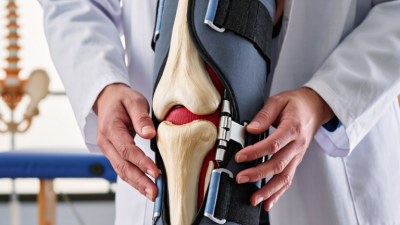
A head brace, often called a cervical orthosis, is an external support that helps hold the head and neck in a prescribed position. It may limit bending or turning after an injury or operation, or support weak neck muscles. It does not repair tissue or replace clinical care. A clinician selects the brace according to the condition, imaging findings, and how much movement needs restriction.

Design affects support. A soft collar offers gentle reminders to reduce movement, while a rigid collar uses firm panels and straps to restrict it more. A cervicothoracic orthosis extends onto the chest, adding support when the neck alone needs more control. Fit matters. The chin should rest comfortably, and the brace should not press sharply against the jaw, collarbone, or skin. Small details matter.

Support also brings trade-offs. A 2022 systematic review and meta-analysis of cervical-collar use reported pressure ulcers in about 7% of patients, highlighting the need for regular skin checks and appropriate wear time. Follow the prescribing clinician’s instructions; do not tighten straps or change the schedule on your own. The label can make a brace sound straightforward, but comfort and movement often feel different in daily life. Pain, numbness, skin changes, or trouble swallowing deserve prompt clinical advice.

Head Braces: Types and the Support They Provide

This chart shows typical areas of support, not a measure of brace strength. Cervical collars support the neck; cervicothoracic orthoses (CTOs) extend support to the upper thoracic region; and halo vests stabilize the head and neck while anchoring to the torso. The appropriate device depends on the person’s condition and should be selected by a qualified clinician.

Main Components and Design Features of Head Braces

Head braces are not one uniform device. Cranial remolding orthoses are custom-fitted helmets for selected infants with positional head-shape differences. A typical design combines a rigid outer shell, a soft inner liner, ventilation openings, and smooth edges. The interior leaves room for growth in targeted areas while maintaining gentle contact elsewhere. Fit depends on head measurements, age, growth, and skin checks—not just the shell’s shape. Fit changes.

Cervical head-support braces use a different design. They may include a shaped collar, chin and occipital supports, adjustable straps, and removable padding to stabilize the head and neck.

The Congress of Neurological Surgeons’ evidence-based guideline reviewed 15 studies on cranial molding orthoses. It found that helmet treatment can produce faster, greater shape correction, particularly for more pronounced deformity and earlier treatment. That evidence supports professional assessment, not a one-size-fits-all prescription.

Real-world fit is messier: pressure points, heat, and rapid growth can require adjustments. The guideline does not make every case identical. A trained clinician should check fit and skin regularly.

Common Types of Head Braces and Their Uses

Head braces, often called orthodontic headgear, use straps and an external bow to guide tooth or jaw growth. Cervical-pull headgear anchors behind the neck and commonly helps move upper molars backward. High-pull designs attach over the head; orthodontists may choose them when vertical tooth eruption also needs control. Combination-pull appliances use both directions. Fit matters. The force direction, bite pattern, and growth stage influence the choice, not the appliance name alone.

Reverse-pull headgear, or a facemask, rests against the forehead and chin and pulls the upper jaw forward. It may be considered for growing children with a retrusive upper jaw and a developing Class III bite. These devices are not interchangeable. A 2018 Cochrane review reported lower incisor-trauma risk with early headgear treatment than with later treatment: risk ratio 0.45 (95% confidence interval 0.25–0.80), across two studies involving 237 children. That finding describes the trial groups, not a guarantee for every child. Daily wear can be difficult; pressure marks, loose straps, or jaw discomfort should be discussed with the orthodontic team. Evidence and individual responses do not always line up neatly.

What Are Head Braces and What Types Are Available? - Common Types of Head Braces and Their Uses
Brace Type Design and Support Common Uses Key Considerations
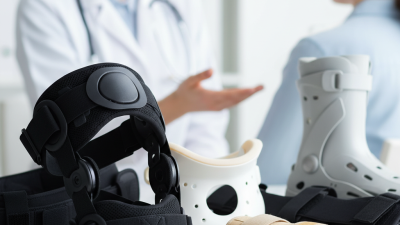
Soft cervical collar Foam or padded collar that surrounds the neck and offers gentle support. Short-term comfort or support for some cases of neck strain and minor soft-tissue pain. Provides limited motion restriction. It is not intended to stabilize an unstable cervical fracture.
Rigid cervical collar Molded, firm collar that supports the jaw and the back of the head while limiting neck movement. Temporary cervical-spine immobilization after certain injuries, or support following selected procedures, as prescribed. Fit and duration matter. Skin pressure and swallowing discomfort can occur, so follow clinical instructions.
Cervicothoracic orthosis (CTO) Extends from the neck onto the upper chest and back to provide more support than a collar alone. Selected cervical or upper-thoracic injuries and postoperative care when additional motion control is needed. May be made in different configurations; the prescribed design depends on the spinal level and treatment plan.
SOMI brace A cervicothoracic brace with a chest plate and supports for the chin and back of the head. SOMI stands for sternal-occipital-mandibular immobilizer. Selected cervical-spine injuries or postoperative situations requiring restriction of neck movement. Must be fitted and adjusted by a qualified professional. It can limit movement, but does not provide the same fixation as a halo vest.
Minerva brace A rigid brace that supports the head and neck and extends over the upper torso, commonly using chin and occipital support. External support for selected cervical-spine conditions when a clinician determines that this level of immobilization is appropriate. Fit and suitability depend on the injury, anatomy, and treatment plan. It is not appropriate for every cervical injury.
Halo vest A rigid ring attached to the skull with pins, connected by bars to a vest worn around the torso. Stabilization of certain serious cervical-spine injuries or after some spinal procedures when strong external immobilization is required. Requires specialist fitting and close follow-up. Pin-site care, skin checks, and monitoring for complications are important.
Head-support collar A supportive collar designed to help hold the head upright, with less emphasis on rigid spinal immobilization. Support for some people with muscle weakness or difficulty maintaining head position, as recommended by a clinician or therapist. Purpose and support level differ from fracture-stabilizing braces; assessment helps ensure an appropriate fit.
Important: The right brace depends on the diagnosis and the level of support required. These devices should be selected, fitted, and used according to guidance from a qualified healthcare professional.

Conditions That May Require a Head Brace

A “head brace” may mean a rigid neck-and-head support, such as a cervical orthosis or halo vest. These devices are used when the head and neck need help staying aligned or moving less. A brace may be considered after certain neck fractures, ligament injuries, or cervical spine surgery. It can also support people with instability caused by some degenerative or congenital conditions. The device and wearing schedule depend on the diagnosis, imaging, and treatment plan.

Some neurological or muscle conditions weaken the neck muscles, making it difficult to hold the head upright. A specialist may assess whether support could improve comfort and positioning. Not every person with neck pain needs a brace; prolonged or poorly fitted use can cause skin irritation, stiffness, or muscle weakening. Fit matters. A clinician should check pressure points near the jaw, shoulders, and back of the head, especially when swelling or weight changes occur. A halo vest provides stronger immobilization and is generally reserved for specific injuries or surgical needs. It is not interchangeable with a soft collar. The terminology can be confusing, and a brace should not replace evaluation of new weakness, numbness, or severe pain.

How a Head Brace Is Selected and Fitted

Selecting a head brace begins with a clear assessment of why support is needed and what movements must be limited. A clinician or orthotist considers the person’s diagnosis, posture, daily activities, and existing skin or comfort concerns. They may measure the head and neck and check how the brace sits around the chin, jaw, and back of the skull. The design should match the required support; more restriction is not automatically better. Small details matter.

During fitting, the wearer should sit and move as they normally would, while the specialist checks contact points and strap tension. The brace should feel secure, not painfully tight, and should not interfere with breathing or swallowing. Fit takes patience. The first adjustment may not feel quite right, and feedback helps guide changes. A professional can explain when to wear the brace, how to clean it, and whether adjustments are appropriate. After use, check the skin for pressure marks. Redness that persists, pain, numbness, or new difficulty swallowing should be reported promptly. Follow-up matters, especially as comfort, needs, or body shape change.