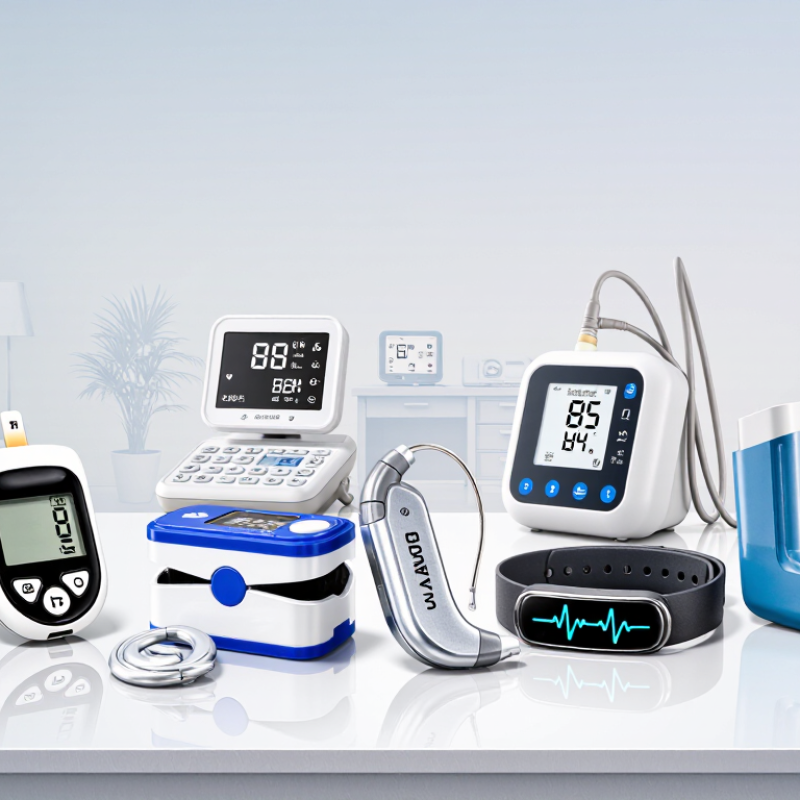
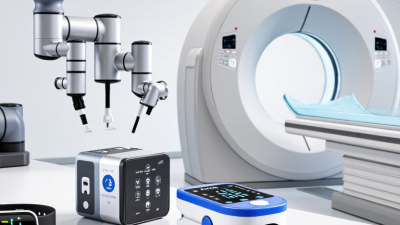
Small medical devices are changing how care reaches the patient. These compact tools include glucose meters, pulse oximeters, hearing aids, wearable ECG monitors, inhalers, and portable ultrasound systems. They may fit inside a pocket, sit against the skin, or attach to a fingertip. Their size does not define their importance.
Physician and healthcare innovator Dr. Daniel Kraft has said, “The future of healthcare is at home.” Small medical devices make that future more practical. A glucose meter can show a reading before breakfast. A wearable monitor can record heart rhythm during an ordinary walk. A home blood-pressure monitor can help clinicians notice patterns between appointments. These details can support earlier conversations and more informed decisions.
However, convenience is not the same as certainty. A device may produce inaccurate results because of poor positioning, weak batteries, damaged sensors, or user error. It cannot replace clinical judgment. Not every warning requires panic, either. That part is easy to forget.
Reliable use depends on clear instructions, appropriate validation, secure data handling, and professional oversight. Manufacturers must meet relevant quality and safety requirements in the markets they serve. Patients should also check whether a device is authorized for its intended purpose. A consumer wellness tracker is not automatically a diagnostic instrument. This distinction matters.
This guide examines what small medical devices are, how they work, and where they are used. It also considers their practical limits, maintenance needs, and role in modern healthcare. The technology is promising. It is not flawless.
Small medical devices are compact tools designed to prevent, monitor, diagnose, or support health conditions. They may fit in a hand, pocket, or home medicine cabinet. Common examples include digital thermometers, pulse oximeters, blood glucose meters, inhaler spacers, wound dressings, and portable blood pressure monitors.
Their small size does not make them unimportant. A thermometer can show a rising fever, while a pulse oximeter can offer a quick oxygen reading. A glucose meter uses a small blood sample to support daily treatment decisions. These devices are used at home, in clinics, ambulances, and rehabilitation settings. Many are simple to operate, but accurate use still requires clean hands, correct positioning, and careful reading of instructions.
The category is not perfectly fixed. Some portable machines are small enough for travel but still need professional setup. A low reading may reflect cold fingers, weak batteries, or incorrect placement rather than a serious change. That matters. Users should check expiration dates, inspect damaged parts, and compare unusual results with professional advice. Medical devices also differ in accuracy, maintenance needs, and intended users. My practical experience is that people often focus on convenience first. That can be a mistake. A device is useful only when it is suitable, properly maintained, and interpreted within the patient’s wider health situation.
What Are Small Medical Devices and How Are They Used?
Small medical devices include portable tools used for diagnosis, monitoring, treatment, and daily support. Common examples include digital thermometers, blood glucose meters, pulse oximeters, inhalation devices, wound-care tools, and mobility aids. These products may fit in a pocket, yet their clinical value can be significant. Small does not mean simple.
Diagnostic devices help identify changes in body function. Monitoring devices track measurements such as temperature, oxygen saturation, or blood pressure. Therapeutic devices deliver support, medication, heat, or controlled stimulation. Assistive devices improve movement, hearing, vision, or independent living. The categories often overlap, which can confuse even careful users. The World Health Organization reports that more than 2.5 billion people need at least one assistive product worldwide. That figure may reach 3.5 billion by 2050, according to its Global Report on Assistive Technology.
Tips: Choose a device for its intended clinical purpose, not its appearance. Check instructions, measurement limits, cleaning needs, and battery status. Compare readings with professional advice when results seem unusual. Fit matters, especially for cuffs, sensors, masks, and braces. Personal experience can reveal comfort problems, but it cannot replace clinical assessment. WHO technical guidance also emphasizes training, maintenance, and reliable supply chains. These details are easy to overlook, and that remains a practical weakness in real-world use.
Small medical devices are portable or compact tools used to measure, monitor, screen, or support basic health needs. They are commonly used in homes, clinics, hospitals, and emergency settings.
This chart compares the typical number of direct measurement outputs provided by several common small medical devices. A blood pressure monitor, for example, usually reports systolic pressure, diastolic pressure, and pulse rate.
Small medical devices work by turning a physical signal into useful health information. A blood pressure monitor uses an inflatable cuff to briefly change blood flow. A pressure sensor detects the pulse wave as the cuff releases. Software then estimates systolic and diastolic pressure. The result appears on a small screen, often within seconds.
Other devices use different signals. A pulse oximeter shines red and infrared light through a fingertip. A sensor compares how blood absorbs each wavelength, then estimates oxygen saturation and pulse rate. Wearable monitors may track movement, temperature, heart rhythm, or glucose levels. Their sensors collect small changes repeatedly. A processor filters noise and converts those changes into readable data. Tiny parts, careful work.
In practice, placement matters more than many users expect. Cold fingers, motion, sweat, or a loose fit can distort readings. I have seen a device show a strange result after a user talked during measurement. That number was not automatically meaningful. Readings should follow the device instructions and fit the person’s clinical situation. Batteries also weaken, sensors age, and software may interpret borderline signals imperfectly. Small does not mean simple. A healthcare professional should assess unexpected or persistent results, especially when symptoms are present.
Small medical devices are compact tools that support care beyond hospitals. Common examples include digital thermometers, blood pressure cuffs, glucose meters, inhalers, hearing aids, and pulse oximeters. They help clinicians assess conditions and help people monitor daily changes at home. The World Health Organization reported in its Global Report on Hypertension (2023) that about 1.28 billion adults aged 30–79 live with hypertension. Home blood pressure monitoring can reveal patterns between clinic visits. A quiet morning reading may show more than a rushed appointment.
Daily use requires simple habits. Sit still before measuring. Keep the cuff at heart level. Record the date, time, and result. For glucose testing, clean hands matter because food residue can distort readings. Pulse oximeters are useful during respiratory assessment, but cold fingers, movement, and poor circulation may produce unreliable numbers. Convenience can mislead.
These devices also support older adults and people with disabilities. The WHO and UNICEF Global Report on Assistive Technology (2022) estimates that more than 2.5 billion people need assistive products worldwide. That need may reach 3.5 billion by 2050. A hearing device can improve conversation in a noisy kitchen. A portable inhaler can support treatment during travel. However, access does not guarantee correct use. Instructions may be unclear, batteries may fail, and users may trust one abnormal reading too quickly. Small devices are helpful, but human judgment still needs practice.
What Are Small Medical Devices and How Are They Used?
Small medical devices include digital thermometers, pulse oximeters, blood glucose meters, portable nebulizers, and home blood pressure monitors. They support daily checks, basic treatment, and communication with healthcare professionals. Their compact size makes them useful at home, during travel, and in community clinics. However, convenience can create false confidence. A reading is helpful, not a diagnosis.
Safety begins with correct use. Wash and dry hands before handling a glucose meter or sensor. Check cables, batteries, seals, and display warnings before each session. Follow the device instructions and ask a qualified clinician when results seem unusual. Do not share personal contact parts, such as mouthpieces or lancets. Keep devices away from children, heat, moisture, and direct sunlight. Small details matter.
Maintenance should include cleaning with an approved method, replacing disposable parts, and recording service dates. Never use damaged equipment. I once noticed how a weak battery caused inconsistent readings; it was easy to blame the user first. That assumption was wrong. Future devices may offer clearer alerts, automatic data sharing, and better accessibility for older adults. Yet connected features raise privacy and cybersecurity concerns. Designers must test devices with different skin tones, hand strengths, languages, and living conditions. Progress should remain practical, repairable, and understandable. Fancy technology is not always safer.
| Device Category | Typical Examples | Primary Use | Key Safety Considerations | Routine Maintenance | Typical Inspection or Calibration Guidance | Future Development Direction | Risk Level |
|---|---|---|---|---|---|---|---|
| Digital Thermometers | Oral, axillary, tympanic, and non-contact thermometers | Measuring body temperature for screening, diagnosis support, and monitoring treatment response | Use a clean probe cover when required; follow the correct measurement site and technique; do not rely on a reading that conflicts with the patient's condition without verification | Clean and disinfect the probe according to the device instructions; keep sensors dry; replace damaged probe covers and batteries | Accuracy checks should be performed at intervals defined by the facility risk assessment and applicable regulations, especially after impact or abnormal readings | Improved sensor accuracy, faster measurements, wireless documentation, and algorithms that help identify unusual temperature patterns | Low |
| Pulse Oximeters | Fingertip or handheld oxygen saturation monitors | Estimating peripheral oxygen saturation and pulse rate during assessment and monitoring | Cold extremities, poor circulation, movement, nail coverings, skin pigmentation, and ambient light can affect readings; interpret results with clinical signs | Clean the sensor between users with an approved method; inspect the cable, hinge, display, and battery compartment; avoid excessive moisture | Functional and accuracy checks should follow the manufacturer's instructions and the healthcare facility's preventive-maintenance schedule | Better motion tolerance, improved performance across a wider range of skin tones, continuous monitoring, and integration with clinical records | Moderate |
| Blood Pressure Monitors | Automated upper-arm monitors and manual sphygmomanometer systems | Measuring systolic and diastolic blood pressure and pulse rate | Use the correct cuff size and patient position; allow the patient to rest before measurement; do not place the cuff over clothing; verify unexpected results | Clean cuffs and tubing as specified; check for air leaks, cracks, loose connectors, and display errors; store without sharply folding the tubing | Accuracy verification is commonly scheduled at least annually or more often when required by local policy, heavy use, or service history | Validated connected monitoring, improved cuff fitting, automated detection of irregular rhythms, and better home-care support | Moderate |
| Glucometers | Capillary blood glucose meters and test-strip systems | Measuring blood glucose from a small capillary blood sample | Use a new lancet for each test; perform hand hygiene; dispose of sharps safely; check strip expiration and storage conditions; avoid sharing lancing devices | Clean the meter as directed; keep test strips sealed and dry; check batteries and remove contaminated materials promptly | Use control-solution testing when required, after a new strip lot, after unusual results, or according to the facility's quality-control plan | Smaller samples, improved connectivity, continuous glucose monitoring integration, and decision-support alerts | High |
| Portable Nebulizers | Jet, ultrasonic, and vibrating-mesh nebulizers | Converting prescribed liquid medication into an inhalable aerosol | Use only the prescribed medication and dose; prevent cross-contamination; maintain correct assembly; monitor patients for adverse respiratory reactions | Clean and dry the medication cup and mouthpiece or mask after use; replace filters and disposable components as specified; inspect for blocked openings | Check aerosol output, operating noise, battery condition, and treatment time according to the maintenance schedule | Quieter operation, shorter treatment times, more efficient medication delivery, and usage records for adherence monitoring | Moderate |
| Suction Devices | Portable oral, airway, and wound suction units | Removing secretions, fluids, or debris when suction is clinically indicated | Set the prescribed suction pressure; use appropriate collection containers and tubing; prevent overflow; apply infection-control precautions; never use damaged components | Empty and clean reusable collection containers; replace filters and tubing when contaminated or according to policy; check battery charge and seals | Verify vacuum pressure, alarm function, battery performance, and collection-system integrity on a routine preventive-maintenance schedule | Longer battery life, quieter pumps, improved portability, overflow protection, and automatic pressure monitoring | High |
| Portable Infusion Pumps | Syringe pumps, ambulatory pumps, and small volumetric pumps | Delivering fluids or medicines at a controlled rate | Confirm the prescription, concentration, route, tubing, and programming before use; respond to occlusion and low-battery alarms; protect against free-flow and incorrect-rate errors | Inspect the casing, keypad, door, battery, alarm speaker, and power cable; clean approved surfaces; use compatible administration sets | Rate accuracy, occlusion pressure, alarm operation, battery capacity, and electrical safety should be tested according to risk and institutional policy | Smarter dose-error reduction, remote status monitoring, longer battery life, interoperability, and improved alarm management | High |
| Portable ECG Monitors | Single-lead and multi-lead electrocardiographic monitors | Recording cardiac electrical activity for rhythm assessment and clinical review | Place electrodes correctly; remove interference sources when possible; do not interpret an automated result without appropriate clinical review; protect patient data | Clean reusable electrodes and cables as directed; inspect lead wires and connectors; replace expired or dried disposable electrodes | Verify signal quality, lead integrity, battery condition, and recording accuracy according to the service schedule | Higher-quality mobile recordings, automated rhythm screening, secure telehealth transmission, and better artifact reduction | Moderate |
| Wearable Activity and Vital-Sign Sensors | Wearable heart-rate, respiration, temperature, or movement sensors | Supporting remote observation, rehabilitation, wellness tracking, and longitudinal trend monitoring | Confirm appropriate placement and skin contact; monitor for skin irritation; explain limitations; do not treat consumer-style readings as a substitute for clinical assessment | Clean skin-contact surfaces; charge batteries safely; inspect straps, adhesives, sensors, and data connections; protect personal health information | Check sensor function, battery performance, connectivity, and data consistency; clinical use requires validation appropriate to the intended purpose | Flexible materials, lower power consumption, multi-parameter sensing, edge processing, and earlier detection of clinical deterioration | Moderate |
| Portable Ultrasound Devices | Handheld diagnostic ultrasound systems | Bedside imaging and assessment of selected organs, vessels, soft tissues, and fluid collections | Use approved infection-control procedures for the probe and accessories; avoid damaged probe surfaces; ensure users have appropriate training; follow electrical and data-security requirements | Disinfect the probe according to its intended use; inspect the lens, cable, connector, battery, and screen; prevent gel from entering ports | Image quality, probe integrity, electrical safety, and software performance should be assessed under a documented quality-assurance program | Higher image quality, artificial-intelligence assistance, automated measurements, wireless probes, and broader point-of-care applications | Moderate |

Note: Maintenance intervals and calibration requirements vary by device type, intended use, patient risk, manufacturer instructions, local regulations, and the healthcare facility's quality-management system. Always follow the applicable instructions for use and documented preventive-maintenance procedures.
|
This is a medical device. |